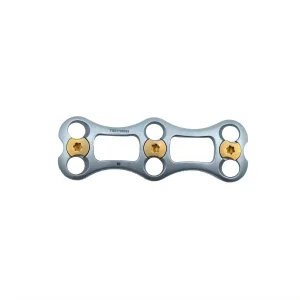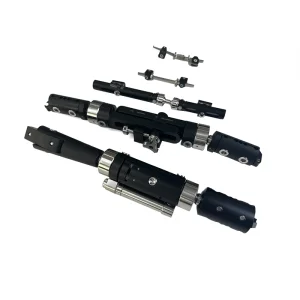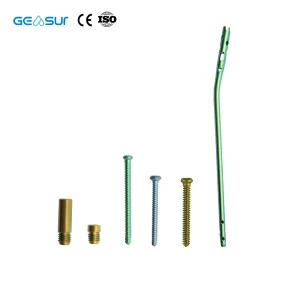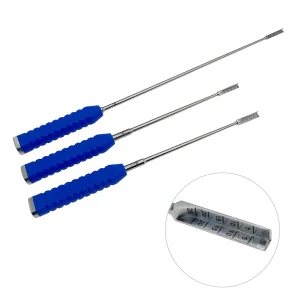
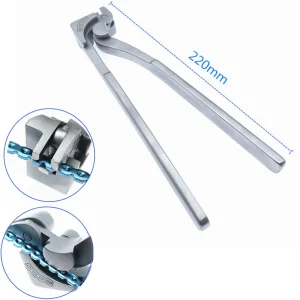
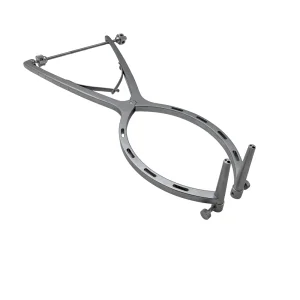
In posterior spinal fixation systems, the mechanical stability of the construct is paramount to achieving successful arthrodesis. Among the critical components utilized to enhance construct rigidity, spinal cross connectors (also known as cross-links or transverse stabilizers) play a pivotal role. These components connect two parallel longitudinal rods, transforming an open-loop system into a closed-frame structure. This structural modification dramatically increases the construct's resistance to torsional forces, which is essential for preventing hardware failure, rod migration, and pseudoarthrosis in complex spinal reconstructions.
For global medical device distributors, orthopedic surgeons, and procurement managers, sourcing CE certified cross connectors is not merely a matter of regulatory compliance; it is a critical decision that directly impacts patient safety, surgical outcomes, and supply chain integrity. This comprehensive whitepaper explores the biomechanical principles, material science, global market landscape, and manufacturing innovations that define the modern spinal cross connector industry.
The human spine is subjected to multi-axial loading, including flexion, extension, lateral bending, and axial rotation. Posterior pedicle screw systems are highly effective at stabilizing the sagittal and coronal planes. However, they are inherently vulnerable to torsional (rotational) instability, particularly in multi-level constructs or cases with significant anterior column compromise.
Biomechanical studies demonstrate that the addition of a single cross connector can increase the torsional stiffness of a bilateral pedicle screw-rod construct by up to 44%, while two cross connectors can yield an increase of over 70%. By limiting axial rotation, cross connectors reduce the stress concentration at the bone-screw interface, thereby minimizing the risk of screw loosening—a common complication in osteoporotic bone or long-segment fusions.
Converts parallel rods into a rigid box-frame, reducing rotational shear stresses on pedicle screws by up to 70% in multi-level fusions.
Maintains parallel alignment of longitudinal rods, preventing splaying or inward migration under heavy axial loads.
Distributes mechanical stress evenly across the implant construct, significantly extending the fatigue life of the entire system.
In the global medical device market, regulatory compliance is the ultimate gatekeeper. For European markets and many countries in Asia, Latin America, and the Middle East that align with European standards, CE Certification under the Medical Device Regulation (MDR 2017/745) is mandatory. The transition from the old Medical Device Directive (MDD) to the more stringent MDR has fundamentally changed how spinal implants are evaluated.
Under MDR, spinal cross connectors are classified as Class IIb (or Class III if they are considered long-term surgically invasive implants with direct contact with the central nervous system). This classification requires rigorous clinical evaluation, comprehensive technical documentation, and continuous post-market surveillance (PMS). Sourcing from a manufacturer like HBM Medical, which holds valid CE certificates (specifically EPT 0477.MDR.25/5905 and EPT 0477.MDR.25/5973 issued by Eurofins Product Testing Italy), ensures that the products meet the highest safety and performance standards in the world.
Spinal cross connectors must possess an optimal balance of biocompatibility, mechanical strength, fatigue resistance, and imaging compatibility. The primary materials used in their manufacture are:
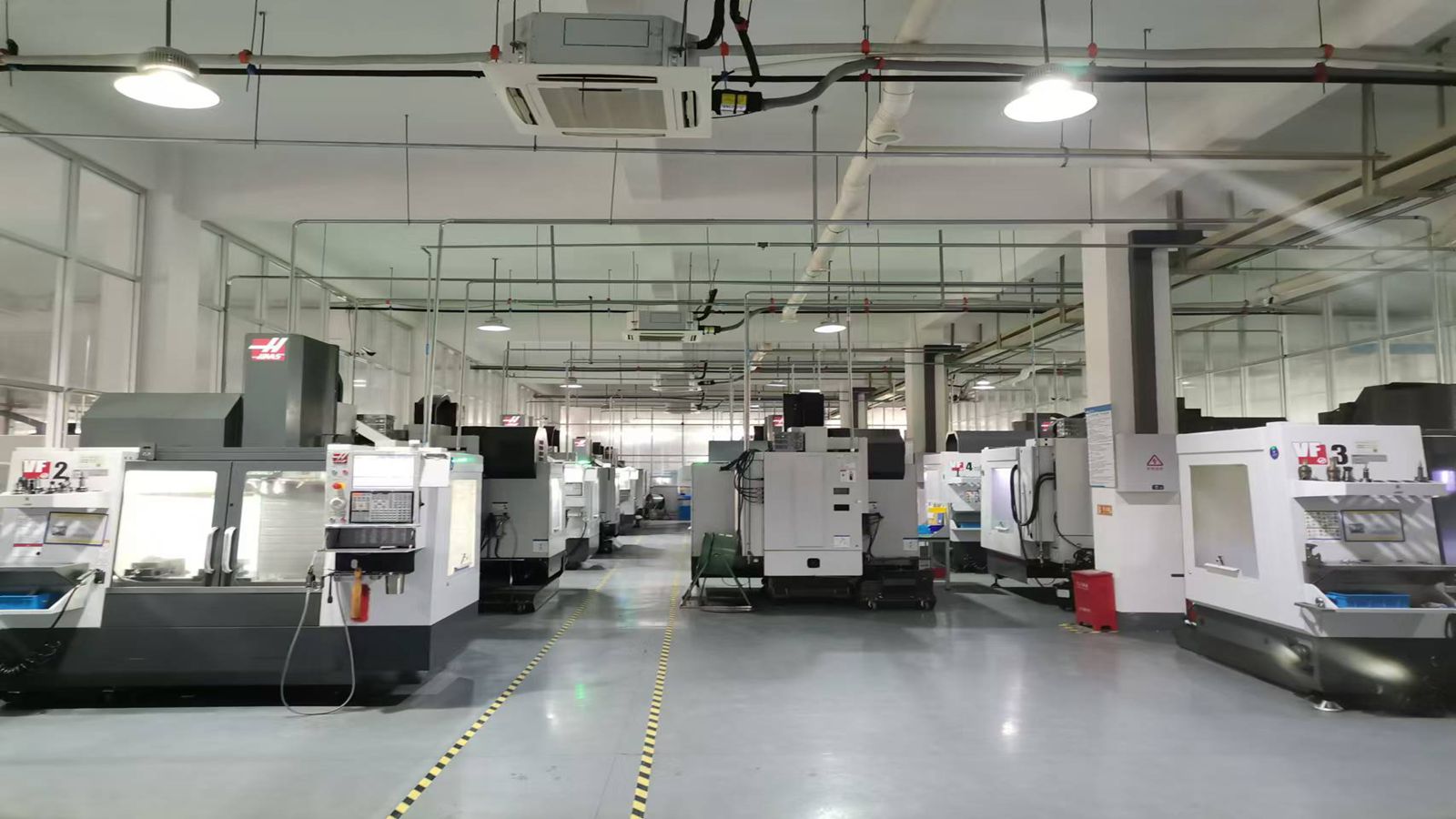
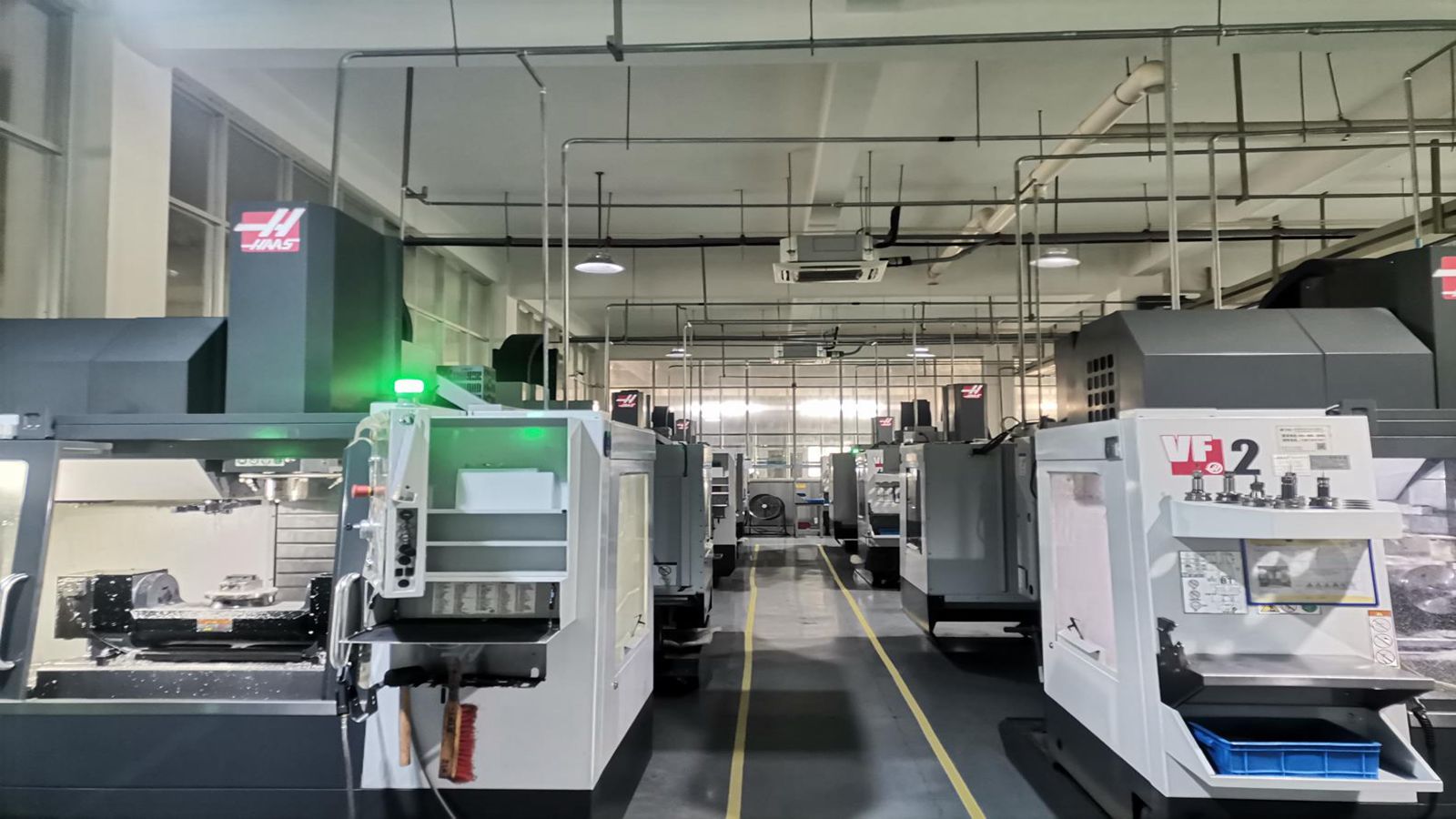
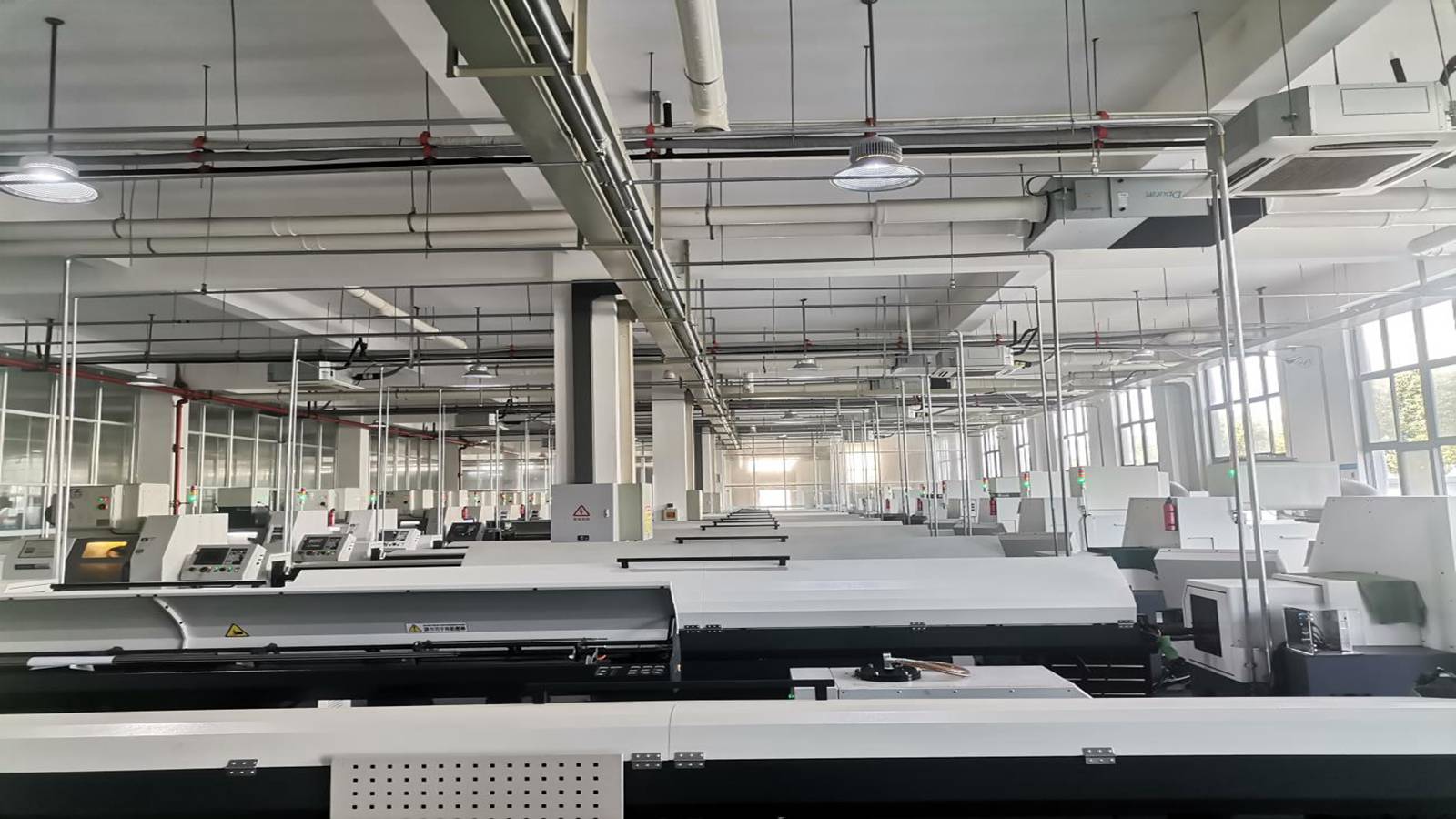
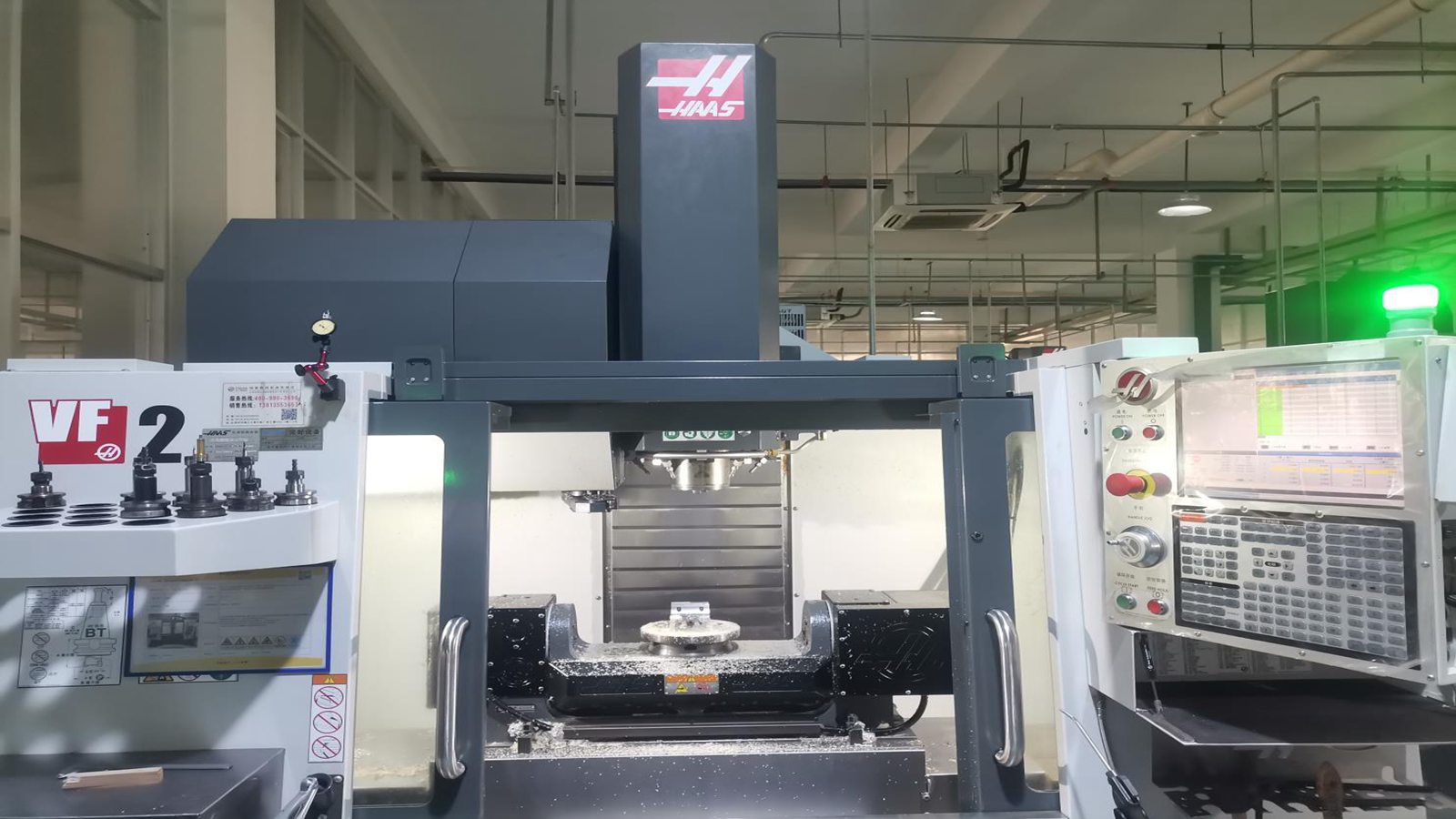
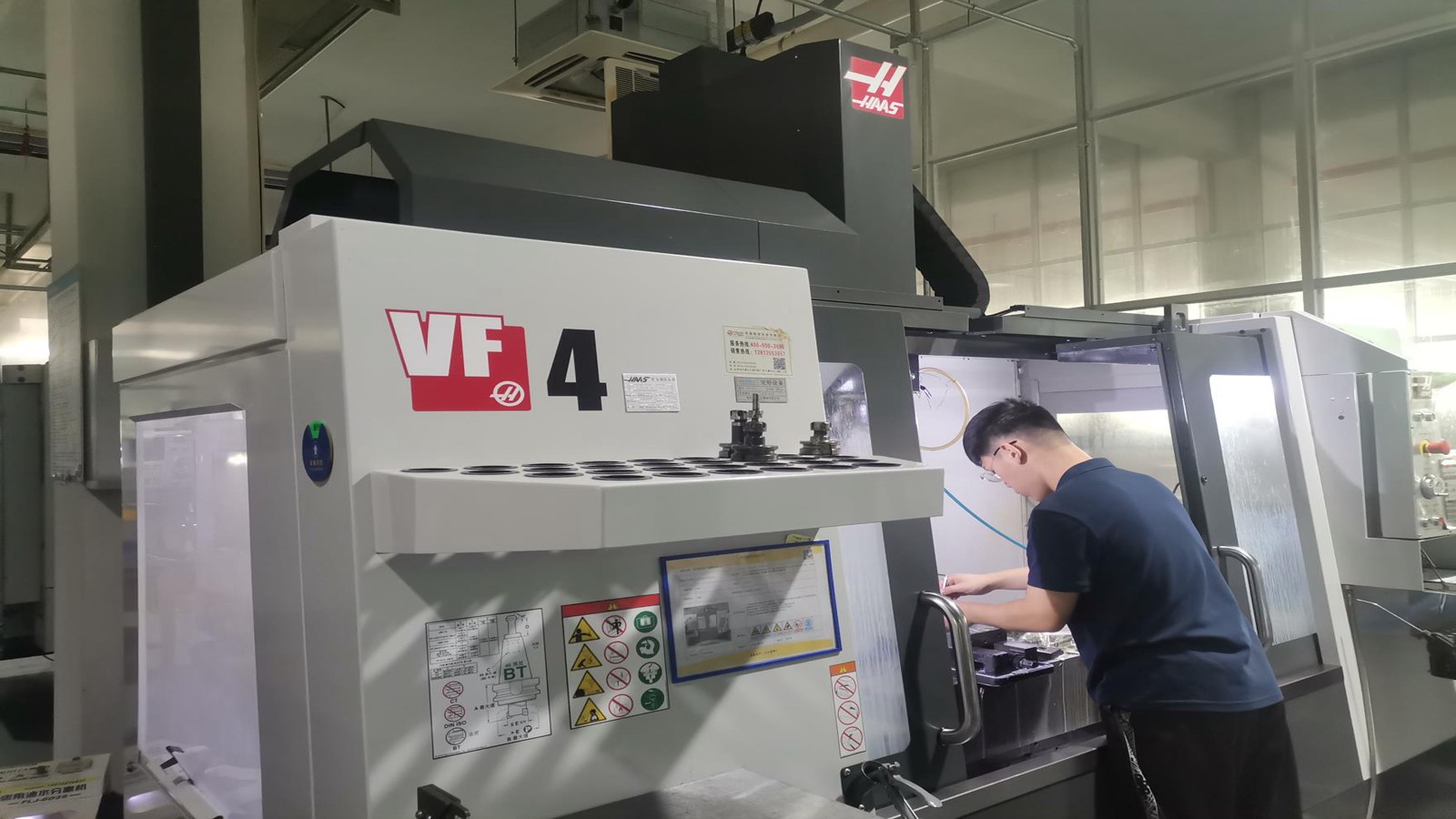
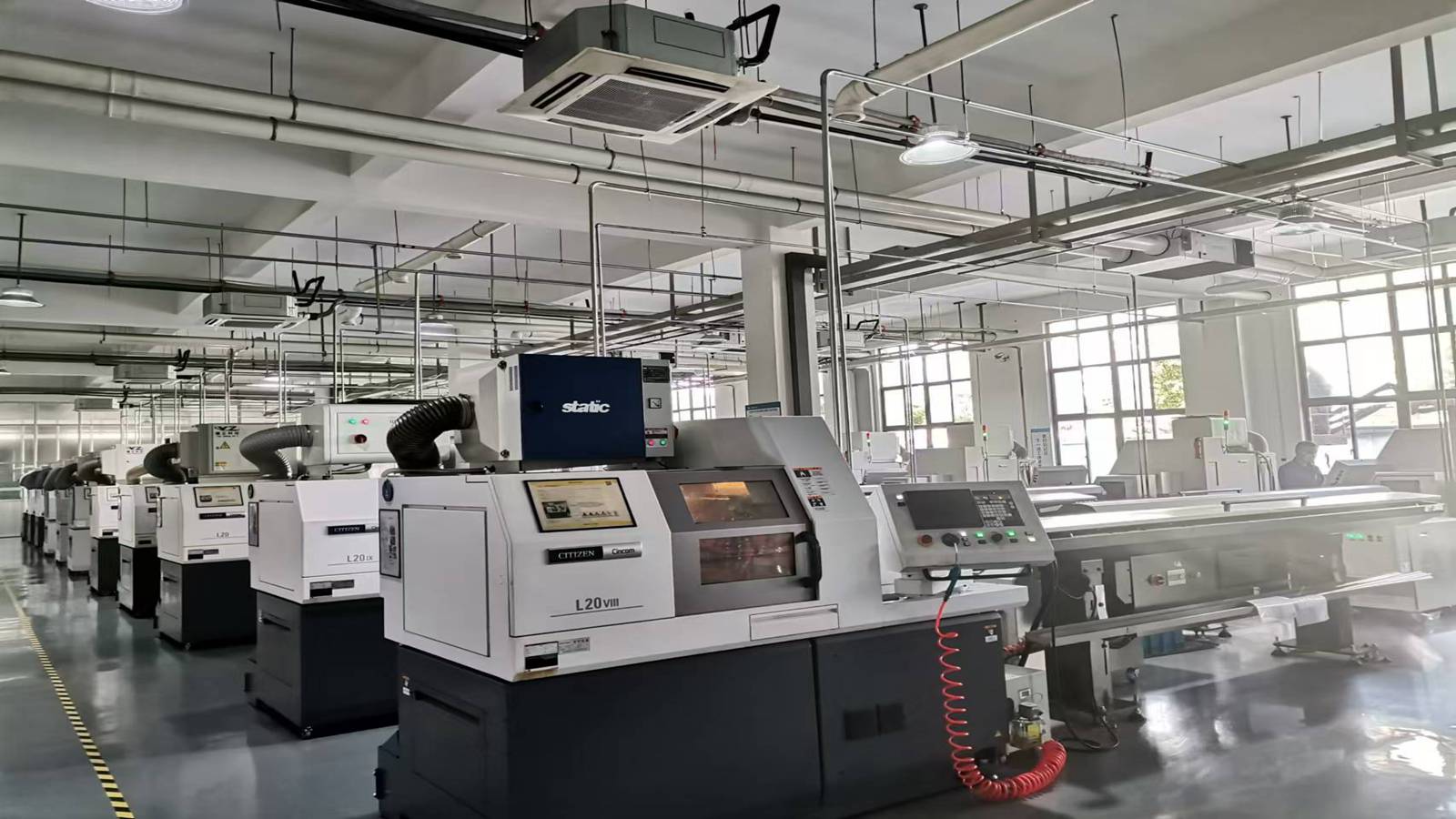
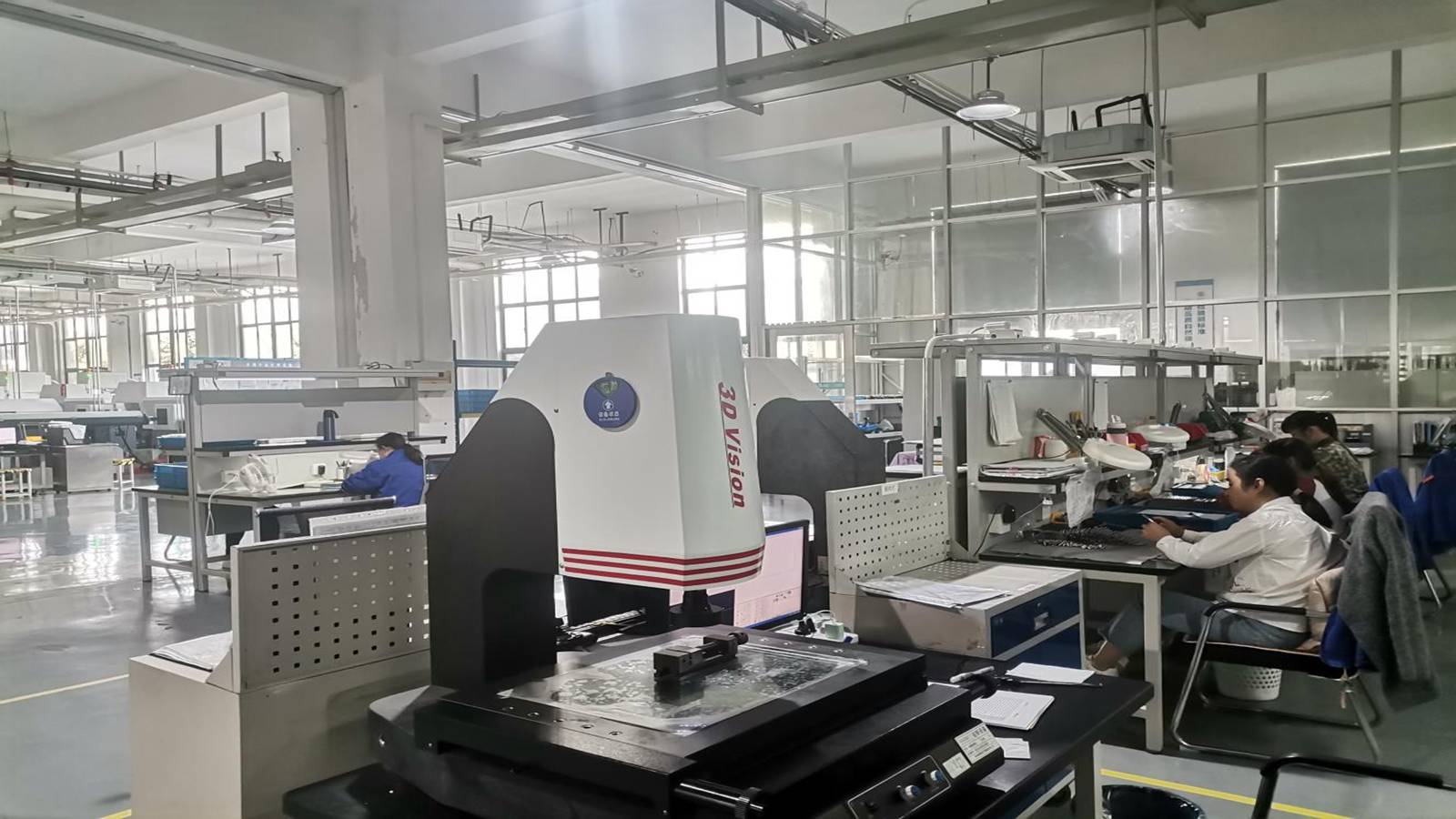
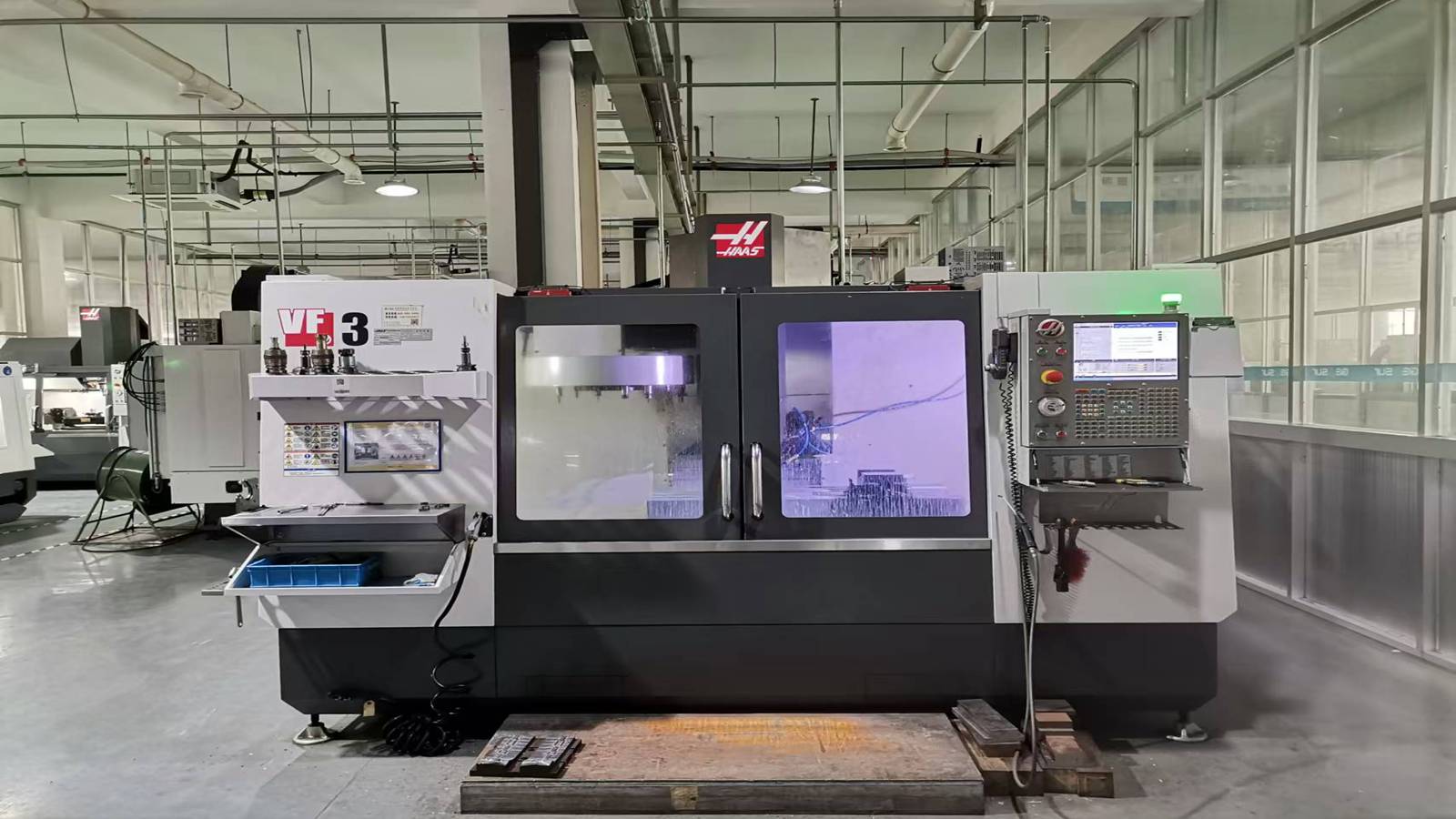
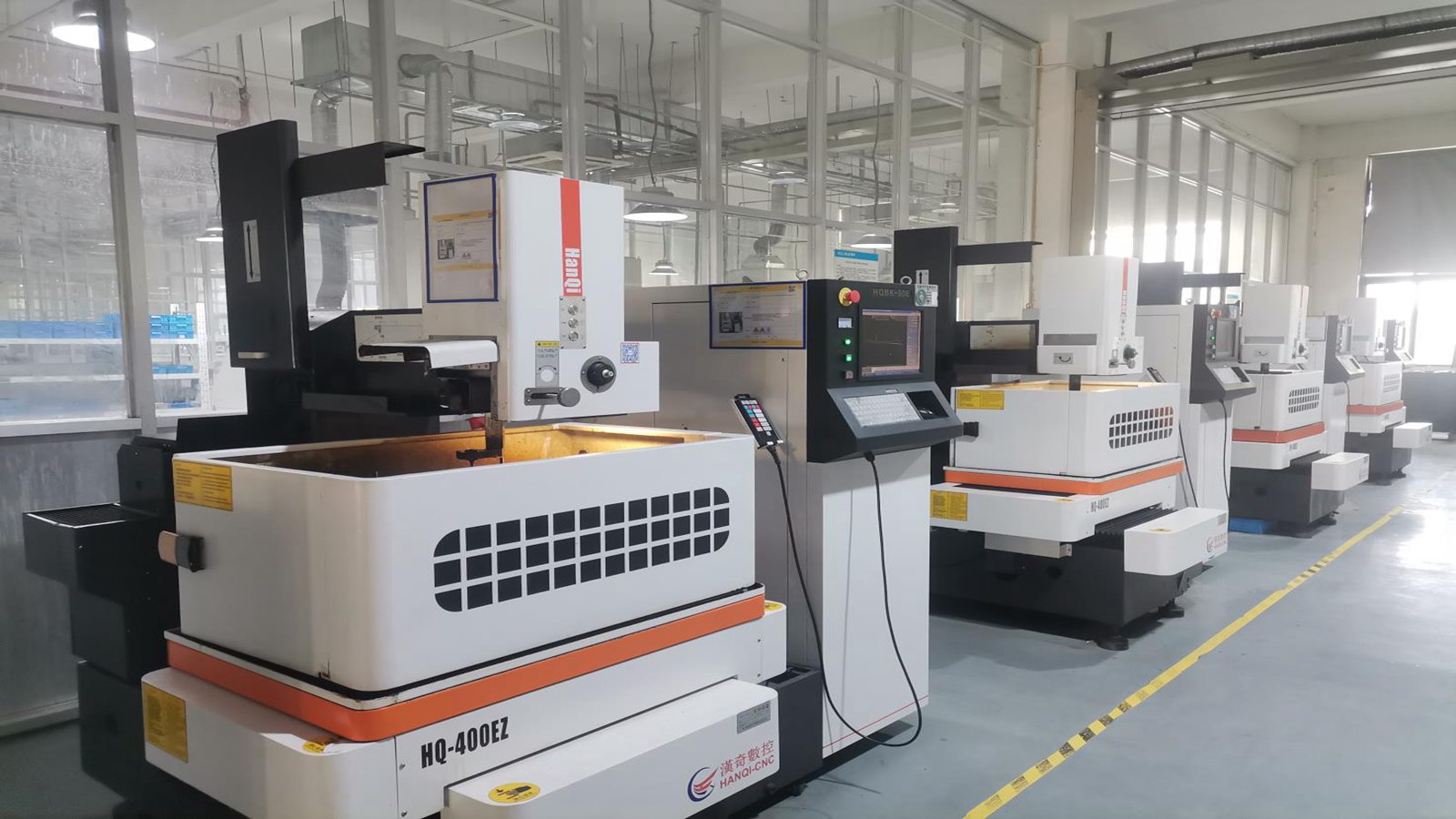
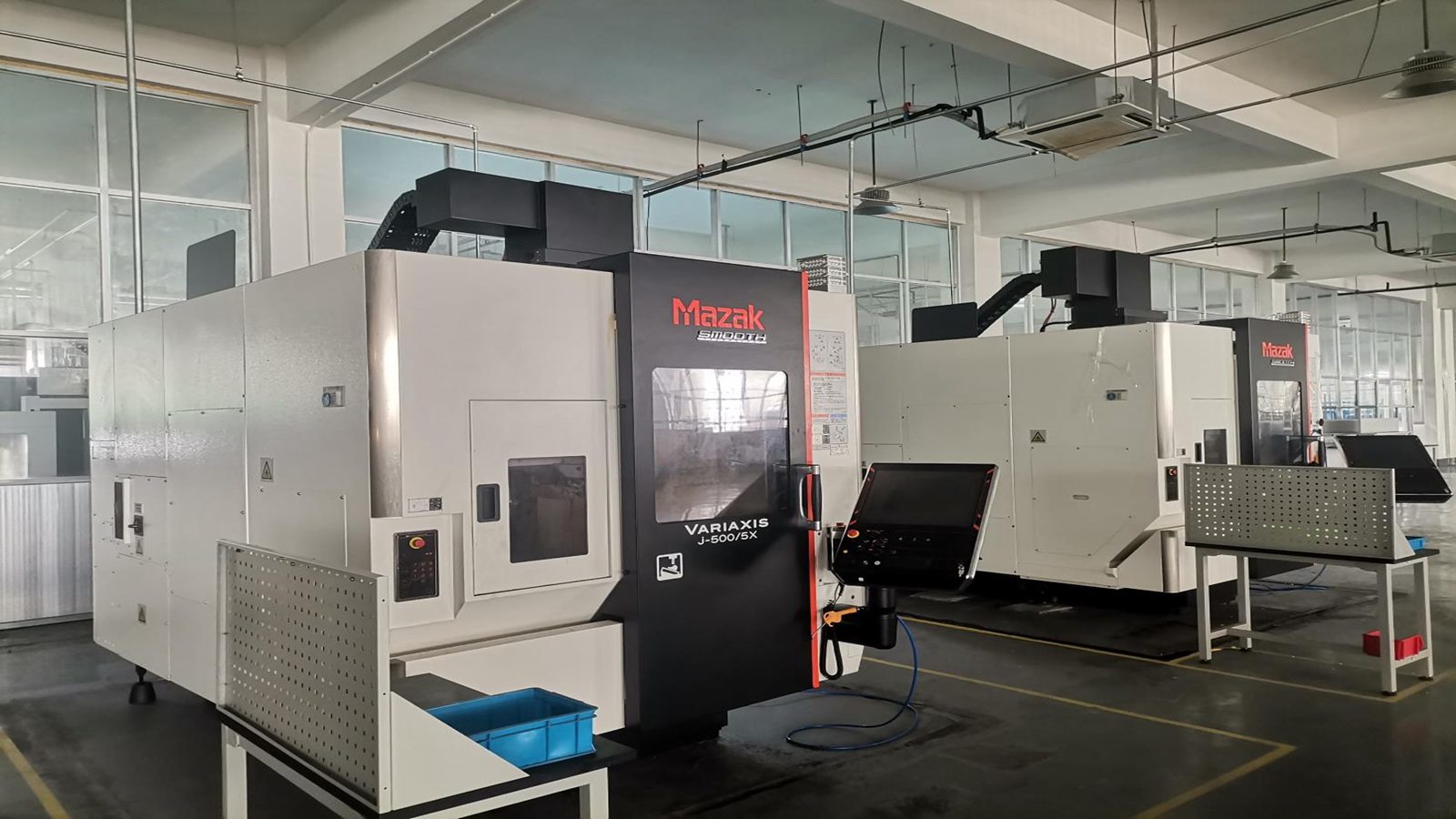
At HBM Medical, precision engineering is achieved through state-of-the-art CNC Swiss-type lathe machining and multi-axis milling centers. The tolerances of our cross connector locking mechanisms are maintained within ±0.005mm. This extreme precision is vital to prevent "fretting corrosion" and "galling"—phenomena that occur when micro-motions between the rod and the connector clamp lead to material wear and subsequent implant failure.
| Parameter | Titanium Alloy (Ti-6Al-4V ELI) | Cobalt-Chromium Alloy (Co-Cr-Mo) | HBM Engineering Standard |
|---|---|---|---|
| Tensile Strength (MPa) | ≥ 860 | ≥ 900 | Exceeds ASTM F136 / F1537 Standards |
| Modulus of Elasticity (GPa) | 110 - 114 | 220 - 240 | Optimized for bone-implant load sharing |
| Biocompatibility | Excellent (Passive TiO2 layer) | Good (High wear resistance) | 100% medical-grade raw materials |
| MRI Compatibility | High (Minimal artifacting) | Moderate (Significant artifacting) | Engineered geometry to reduce distortion |
| Fatigue Limit (Cycles) | > 10,000,000 (at 400 MPa) | > 10,000,000 (at 500 MPa) | Tested via ASTM F1717 protocols |
For decades, Western medical device brands dominated the spinal implant market. However, a major paradigm shift is underway. Chinese medical device manufacturers, led by forward-thinking enterprises like HBM Medical, have closed the technology gap while maintaining a significant competitive advantage in production efficiency, supply chain integration, and cost-effectiveness.
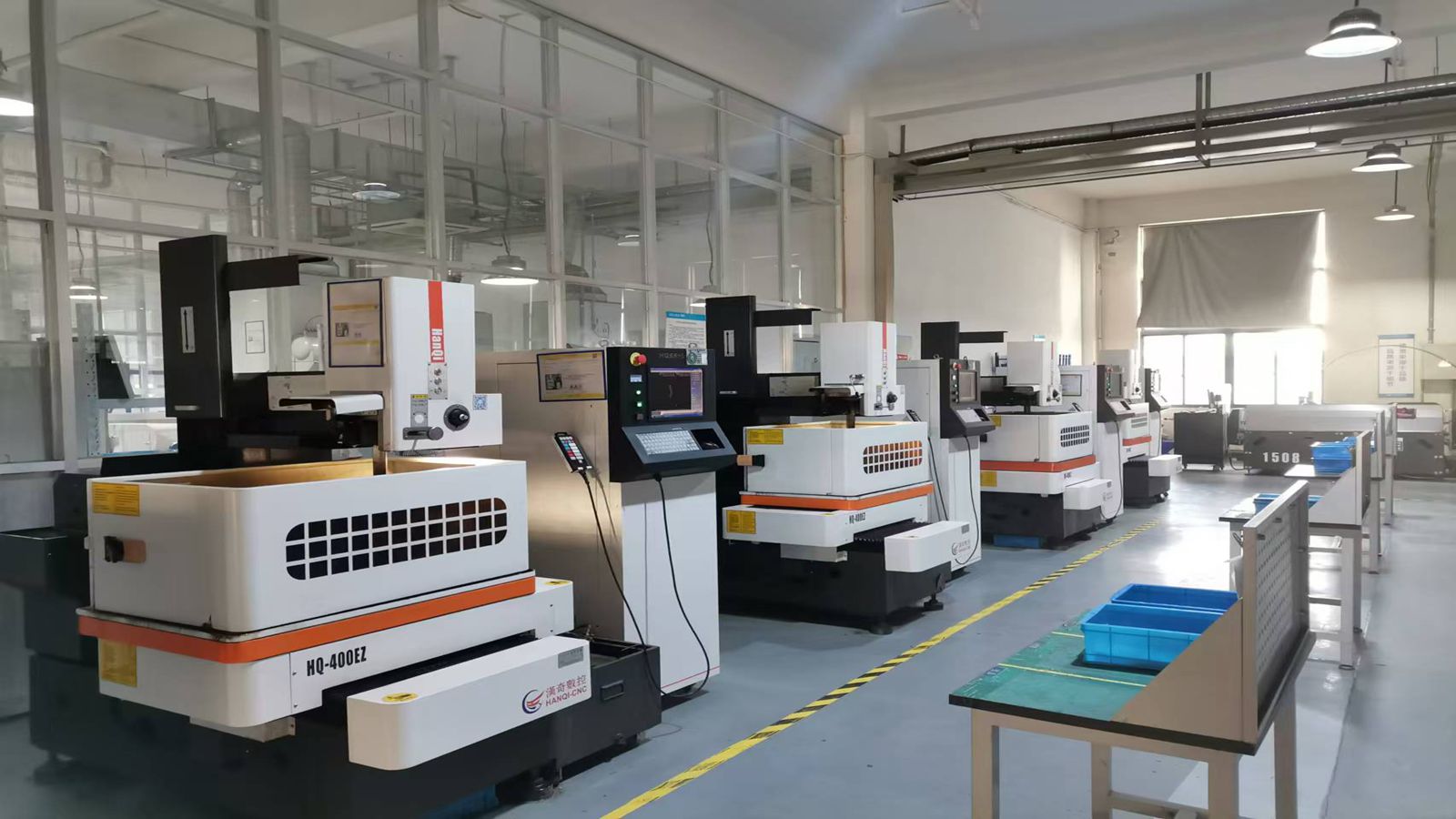
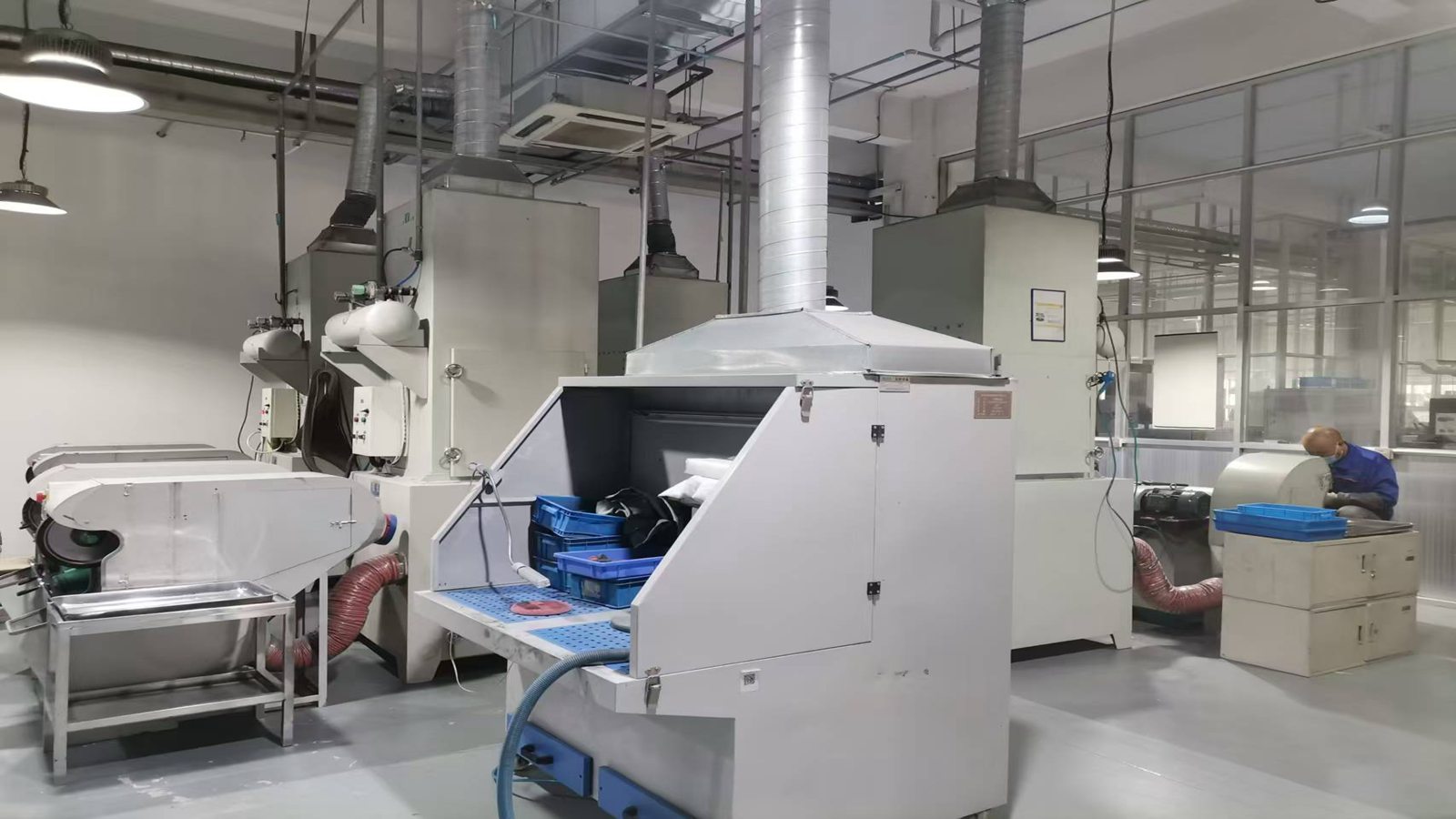
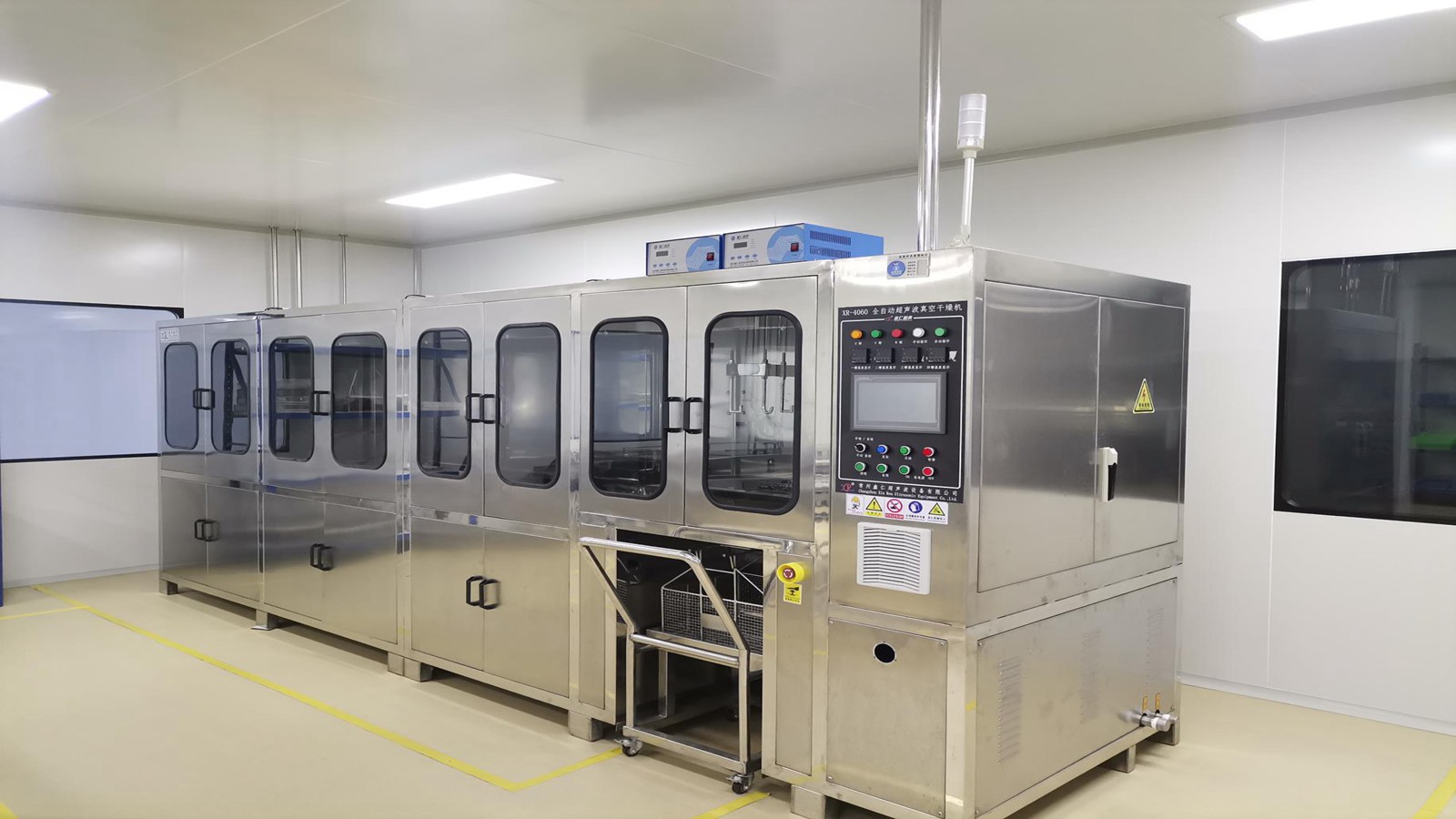
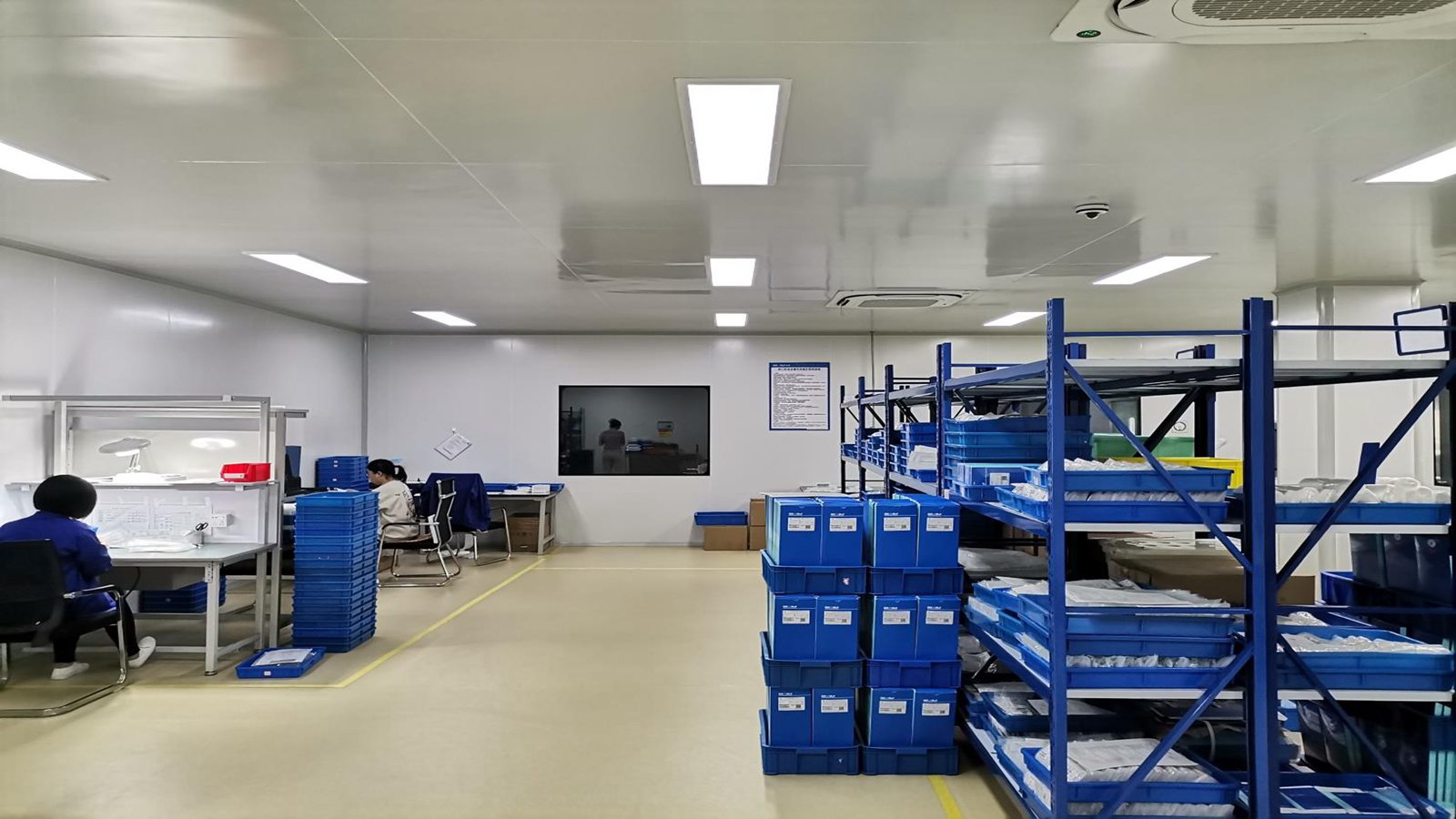
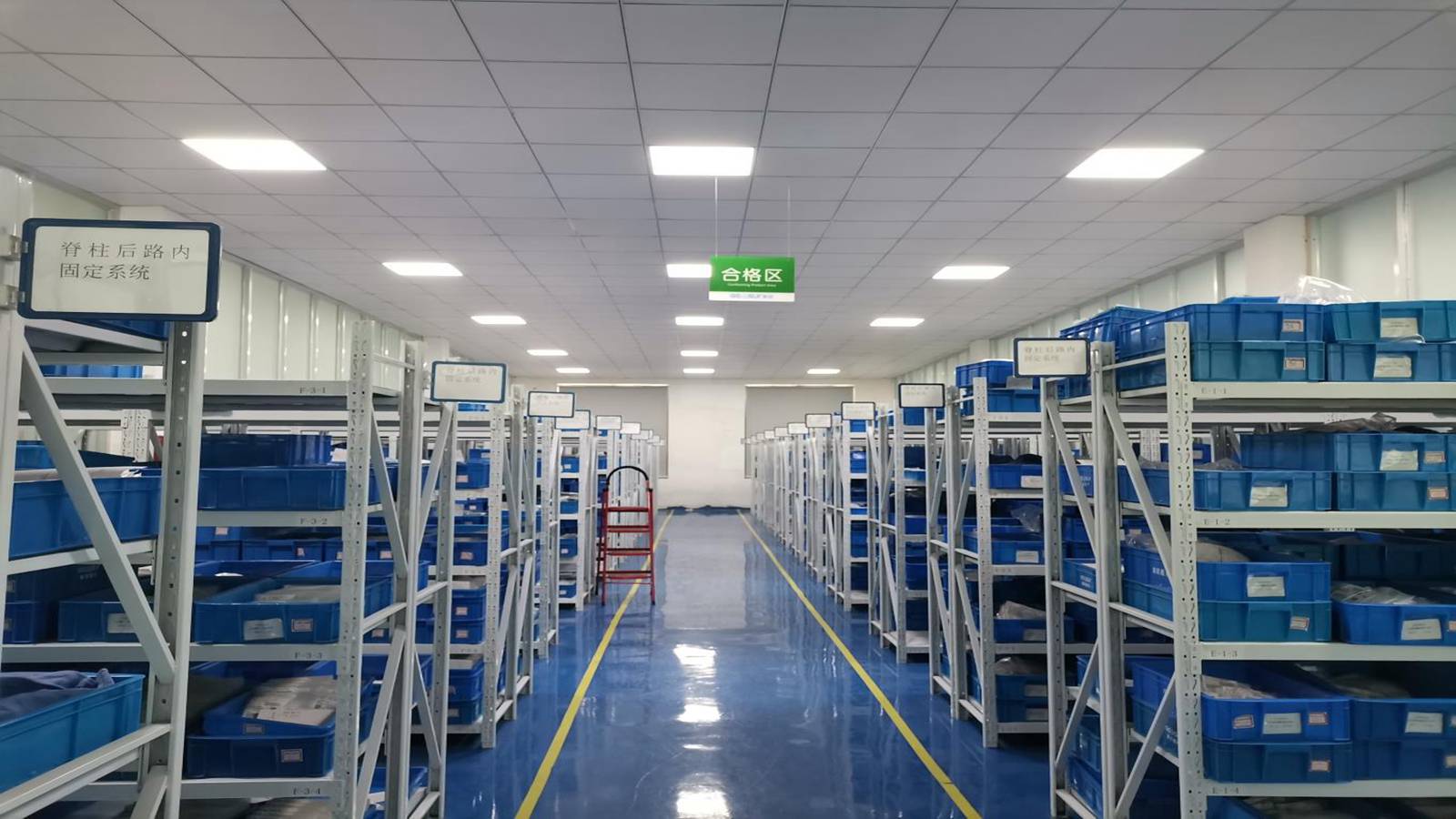
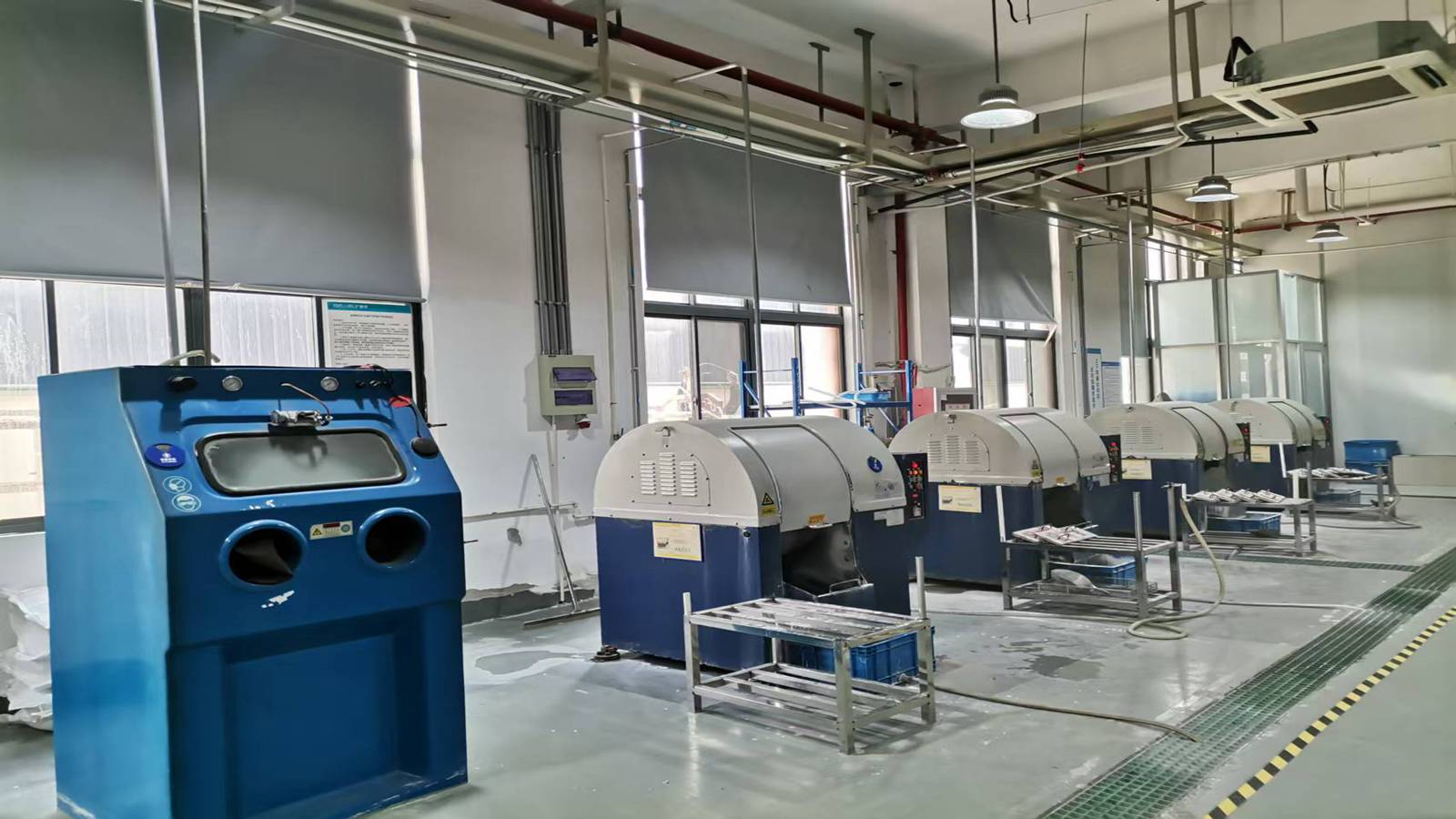
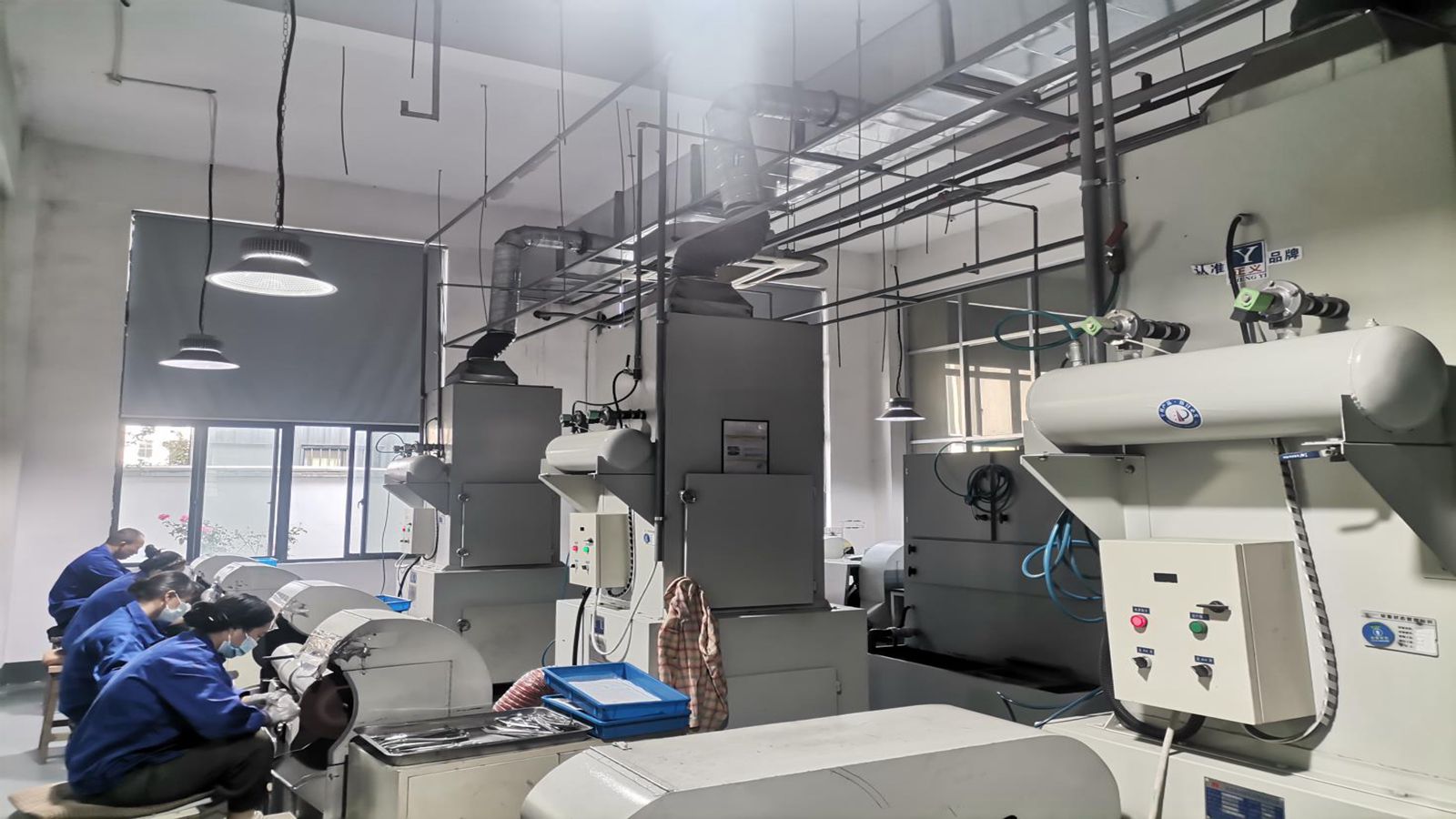
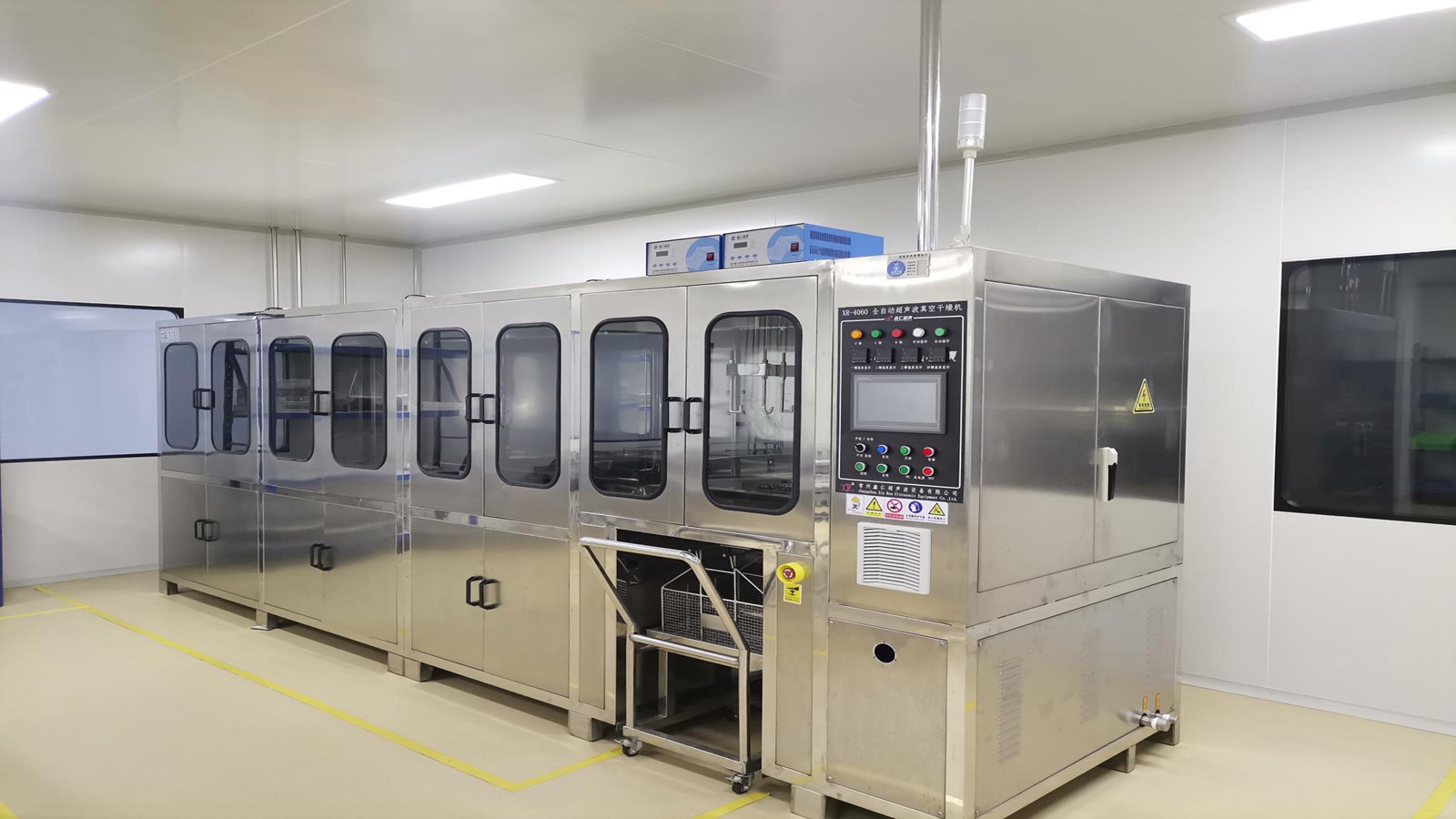
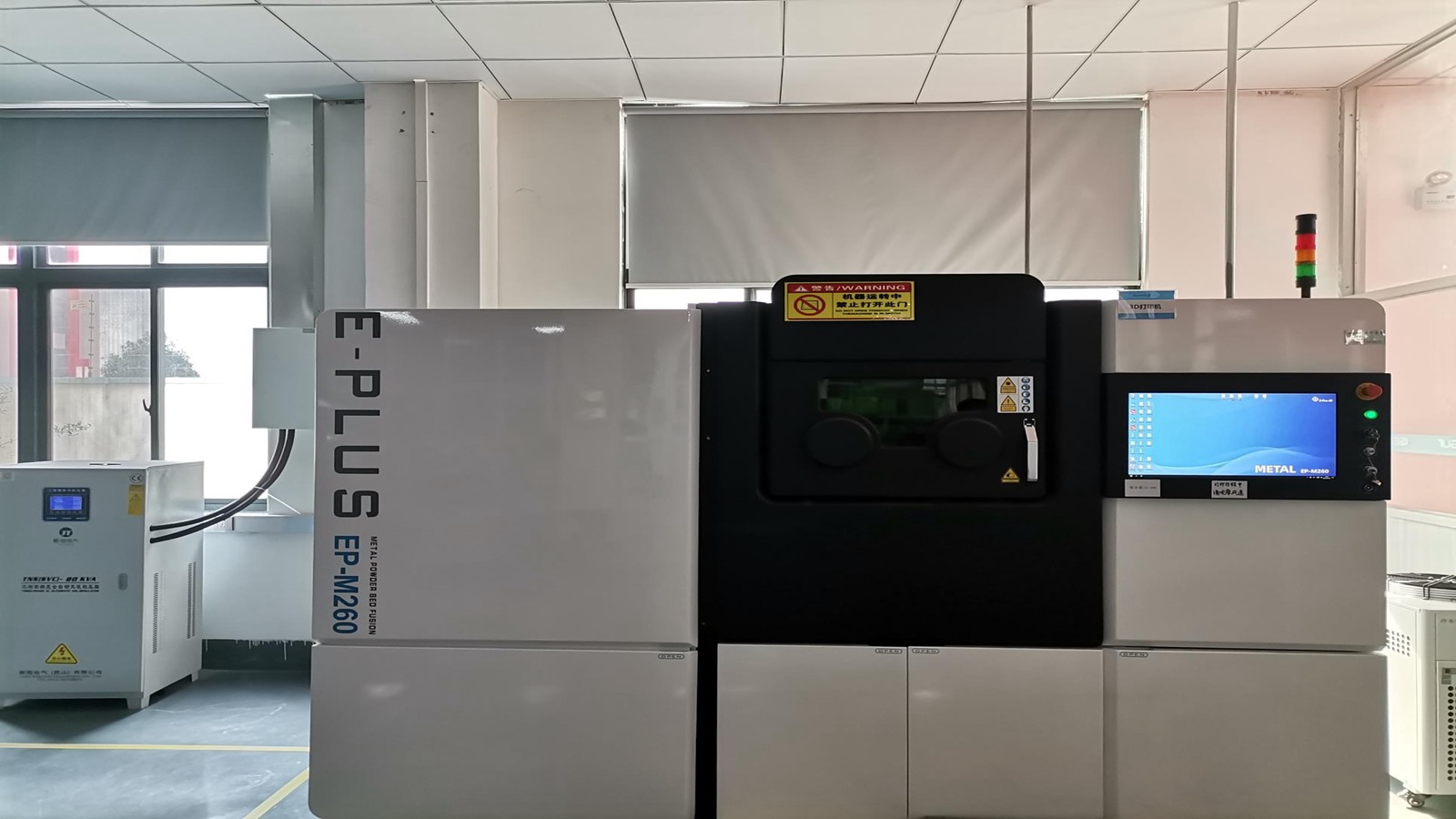
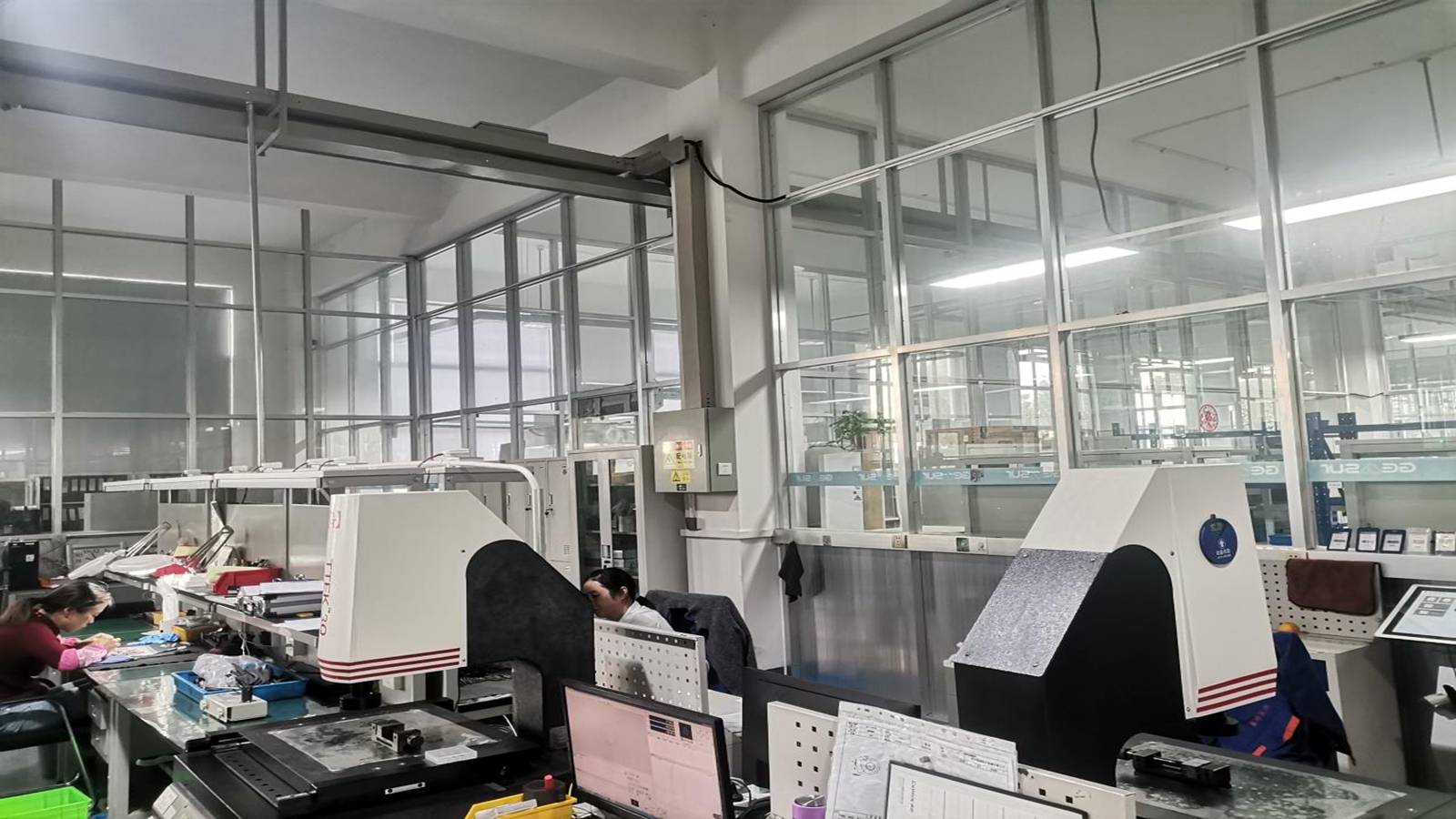
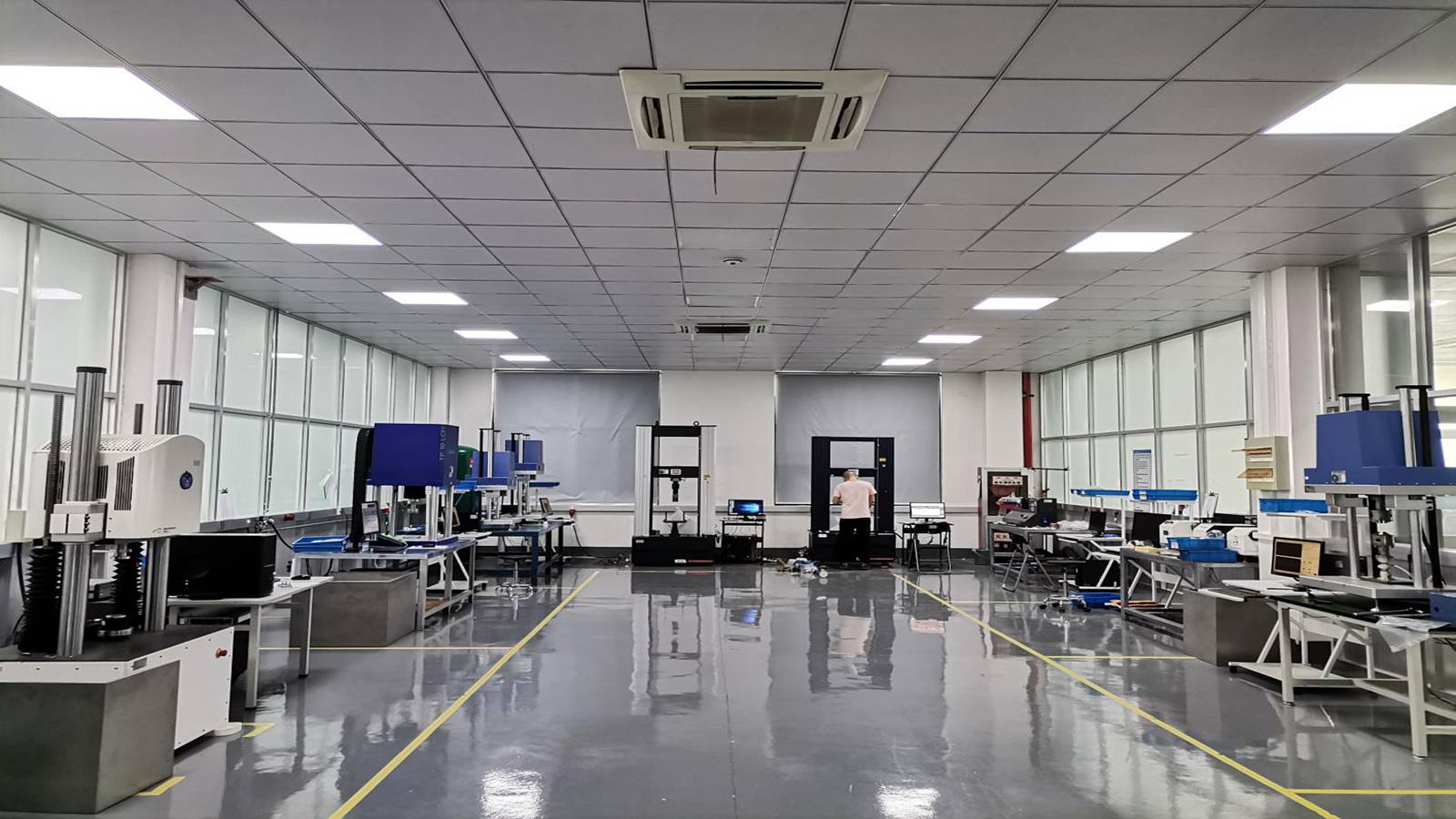
HBM Medical operates a massive 30,343 square meter state-of-the-art facility equipped with over 120 advanced processing and testing machines across 12 dedicated production lines. This scale allows us to achieve economies of scale that Western manufacturers simply cannot match. Furthermore, our location in China's high-tech manufacturing corridor provides us with immediate access to a highly integrated supply chain—from premium medical-grade titanium suppliers to advanced surface treatment specialists.
This structural advantage translates directly into benefits for our global partners: faster lead times (often 30-50% shorter than European or American competitors), highly competitive pricing that preserves distributor margins, and the agility to execute large-scale OEM/ODM customization projects rapidly.
In spinal surgery, there is no room for error. A single implant failure can lead to catastrophic clinical consequences and devastating legal liabilities for distributors and hospitals. HBM Medical operates under a strict ISO 13485:2016 and MDSAP (Medical Device Single Audit Program) certified quality management system.
Our quality assurance protocol is built on three pillars:
Spinal cross connectors are utilized across a broad spectrum of surgical indications, each presenting unique mechanical demands:
In long-segment lumbar reconstructions (spanning three or more levels), the cumulative shear forces acting on the construct are immense. Cross connectors are placed at the proximal and distal thirds of the construct to prevent parallel rod splaying and to stabilize the construct against lateral bending and rotational forces during early mobilization.
Deformity correction surgeries involve complex three-dimensional maneuvers, including rod rotation and direct vertebral translation. The implants are subjected to massive corrective forces. In these cases, high-rigidity cross connectors (often made of Cobalt-Chromium) are essential to lock the corrected alignment in place and prevent postoperative loss of correction.
The transition zones of the spine (such as the cervicothoracic junction) are areas of high mechanical stress and mobility. Cross connectors designed specifically for small-diameter rods (3.5mm to 4.0mm) are utilized here to bridge the transition and provide a stable foundation, preventing hardware pull-out at the construct ends.




 HBM Medical