Explore our premium range of CE-certified orthopedic trauma, spine, and joint reconstruction systems engineered to the highest clinical standards.
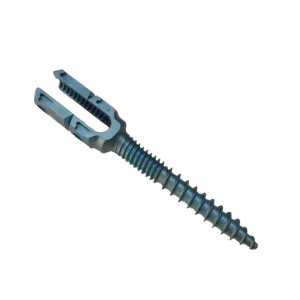
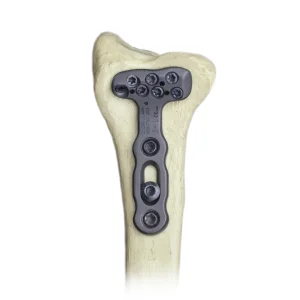
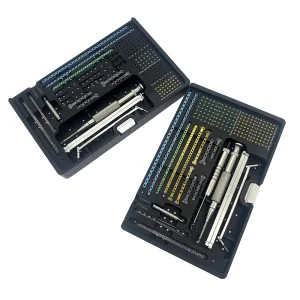
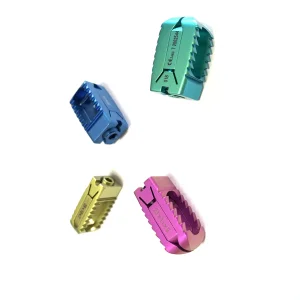
An in-depth analysis of market dynamics, material innovations, and regulatory landscapes in modern joint arthroplasty.
The global orthopedic joint replacement market has witnessed a paradigm shift toward advanced bioceramics. Total Hip Arthroplasty (THA) demands materials that can withstand multi-axial stress, high cyclic loading, and aggressive tribological wear over decades. Traditional metal-on-polyethylene (MoP) bearings, while historically successful, are increasingly associated with osteolysis and aseptic loosening caused by sub-micron polyethylene wear debris. This has driven the rapid adoption of Ceramic-on-Ceramic (CoC) and Ceramic-on-Crosslinked Polyethylene (CoXLPE) bearing couples.
Currently, Zirconia-Toughened Alumina (ZTA) represents the gold standard in bioceramic hip heads. By blending the extreme hardness of alumina (Al₂O₃) with the phase-transformation toughening properties of zirconia (ZrO₂), ZTA composites offer unprecedented resistance to micro-separation, edge loading, and catastrophic burst fractures. As a premier CE certified ceramic hip heads supplier, we address the critical global demand for high-purity, clinically proven bearing components that meet the stringent requirements of the European Medical Device Regulation (MDR 2017/745).
"The integration of Zirconia-Toughened Alumina (ZTA) has reduced the clinical incidence of catastrophic ceramic head fractures to less than 0.001%, establishing it as the safest and most reliable bearing material in modern orthopedic history."
Understanding the microstructural mechanics that prevent hydrothermal degradation and mechanical wear.
The exceptional performance of our ceramic hip heads lies in their microstructural engineering. ZTA is a composite material consisting of a high-purity alumina matrix reinforced with sub-micron yttria-stabilized tetragonal zirconia polycrystals (Y-TZP). When a micro-crack attempts to propagate through the alumina matrix, it encounters the metastable zirconia particles. The stress concentration at the crack tip triggers a phase transformation of the zirconia from the tetragonal to the monoclinic phase. This transformation is accompanied by a ~4% volume expansion, which generates localized compressive stresses that effectively clamp the crack tip shut. This mechanism is known as Phase Transformation Toughening.
| Material Property | Standard Alumina (Al₂O₃) | Zirconia-Toughened Alumina (ZTA) | Clinical Significance |
|---|---|---|---|
| Density (g/cm³) | > 3.97 | > 4.37 | Ensures zero porosity and high structural integrity. |
| Flexural Strength (MPa) | ~ 600 | > 1000 | Prevents structural failure under extreme physiological loads. |
| Fracture Toughness (MPa·m½) | 3.5 - 4.0 | > 6.0 | Provides high resistance to impact and edge loading. |
| Average Grain Size (μm) | < 2.0 | < 0.6 | Ultra-fine grain structure yields superior surface polish and low wear. |
| Vickers Hardness (HV10) | ~ 1800 | > 1950 | Resists third-body abrasive wear from bone cement or bone chips. |
Furthermore, hydrothermal stability (resistance to aging in aqueous environments) is a critical parameter. Pure zirconia is susceptible to spontaneous phase transformation in the presence of water molecules at body temperature, leading to surface roughening and increased wear. By optimizing the alumina-to-zirconia ratio and utilizing advanced hot isostatic pressing (HIP) sintering techniques, our ZTA hip heads exhibit exceptional hydrothermal stability, ensuring the surface roughness (Ra) remains under 2 nanometers over decades of simulated physiological exposure.
Navigating the rigorous regulatory pathway for Class III medical devices in the European Union.
Under EU MDR 2017/745, total joint replacement components are classified as Class III (highest risk). This requires a comprehensive conformity assessment, including a full Quality Management System audit and Design Dossier examination by a designated Notified Body.
Our manufacturing processes are certified under ISO 13485:2016 and the Medical Device Single Audit Program (MDSAP). This guarantees that every step, from raw material sourcing to final sterile packaging, is fully documented and traceable.
CE marking demands robust clinical evidence. Our ceramic hip heads are backed by extensive simulator testing (ISO 14242) and comprehensive Clinical Evaluation Reports (CER) demonstrating equivalence and long-term safety in clinical cohorts.
For global distributors, procurement managers, and OEM partners, sourcing from a CE certified supplier is not merely a regulatory necessity; it is a guarantee of risk mitigation. The CE mark signifies that our ceramic hip heads have undergone rigorous biocompatibility testing (ISO 10993), including cytotoxicity, systemic toxicity, genotoxicity, and implantation tests, ensuring absolute safety when implanted in the human body.
How next-generation materials and smart manufacturing are shaping the future of joint reconstruction.
We are actively researching Silicon Nitride (Si₃N₄) and surface-modified bioceramics. Silicon nitride offers unique anti-microbial properties, reducing the risk of periprosthetic joint infections (PJI)—one of the most devastating complications in joint arthroplasty. Additionally, its high fracture toughness and hydrophilic surface promote rapid protein adsorption and bone cell attachment.
The future of joint reconstruction lies in personalization and smart technologies. Our technical roadmap focuses on integrating advanced manufacturing processes, such as additive manufacturing (3D printing) of ceramic components, to create custom-fit implants for complex revision surgeries. By utilizing binder jetting and stereolithography (SLA) technologies, we aim to produce ceramic components with gradient porosity, mimicking natural bone architecture to enhance osseointegration.
Furthermore, we are exploring the integration of thin-film sensor technologies onto the non-bearing surfaces of ceramic components. These "smart implants" will be capable of monitoring real-time joint loading, wear propagation, and localized temperature changes, transmitting diagnostic data wirelessly to healthcare providers to enable proactive patient care.
A leading force in orthopedic medical device R&D, manufacturing, and global supply chain solutions.
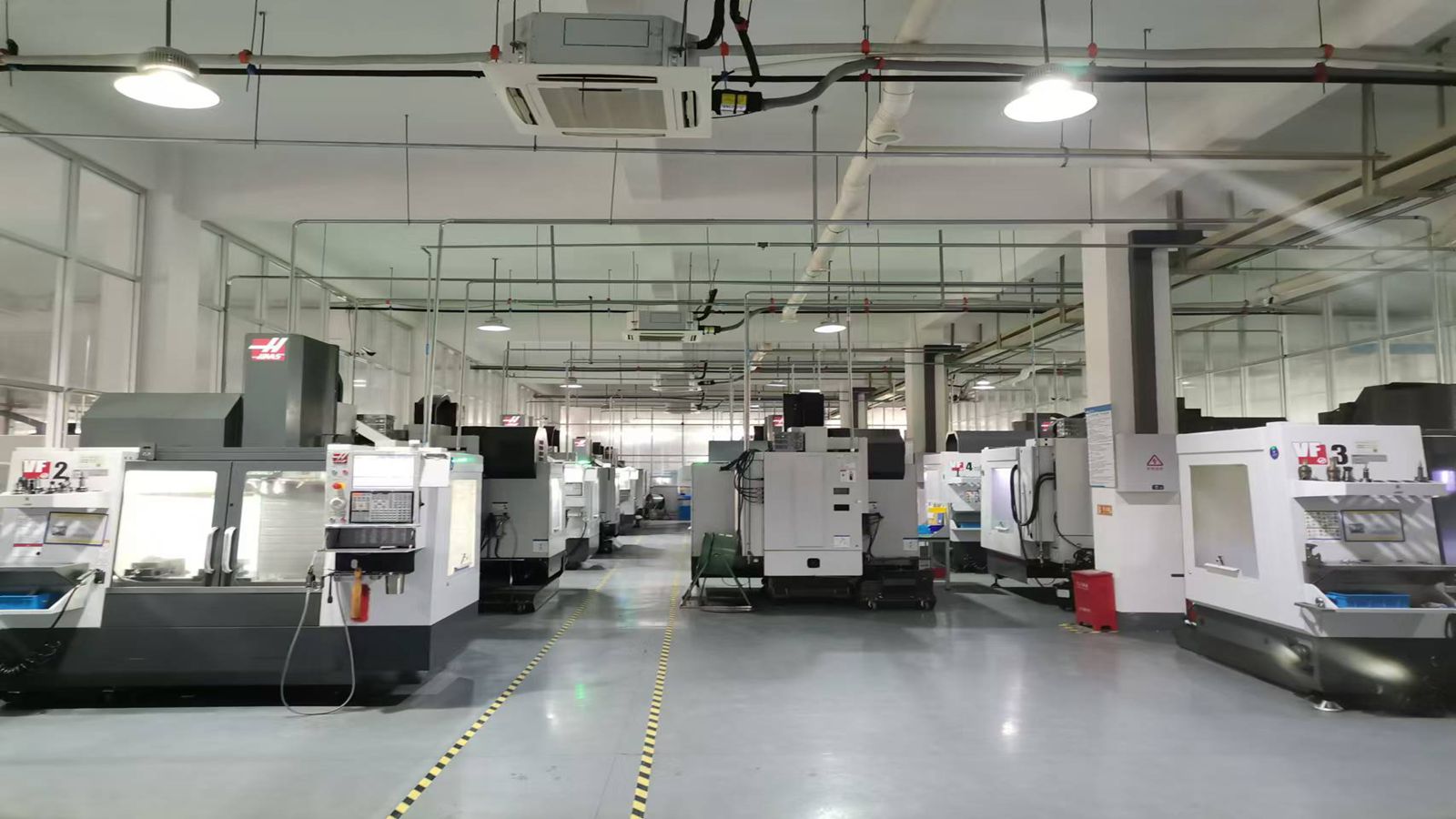
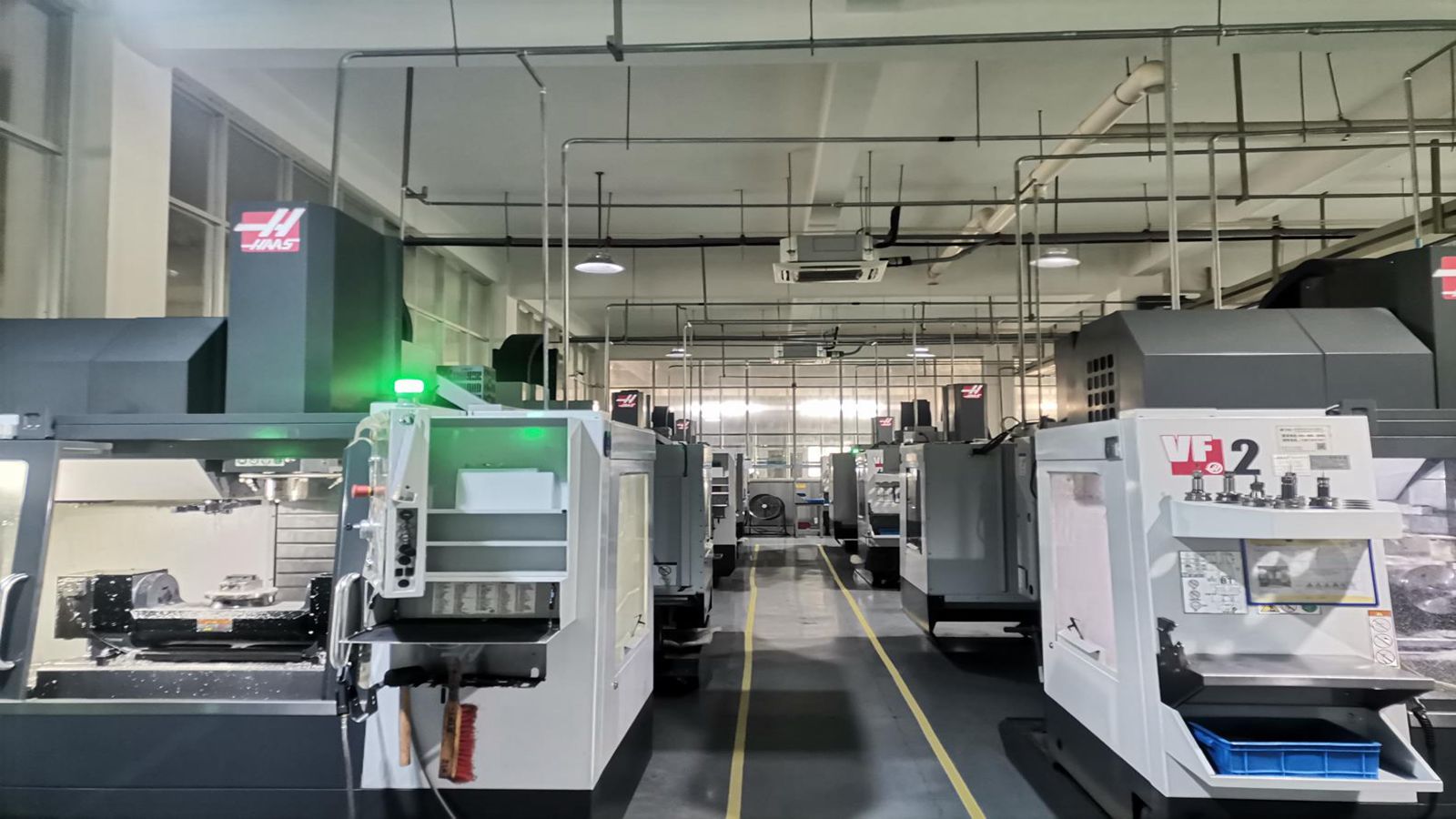
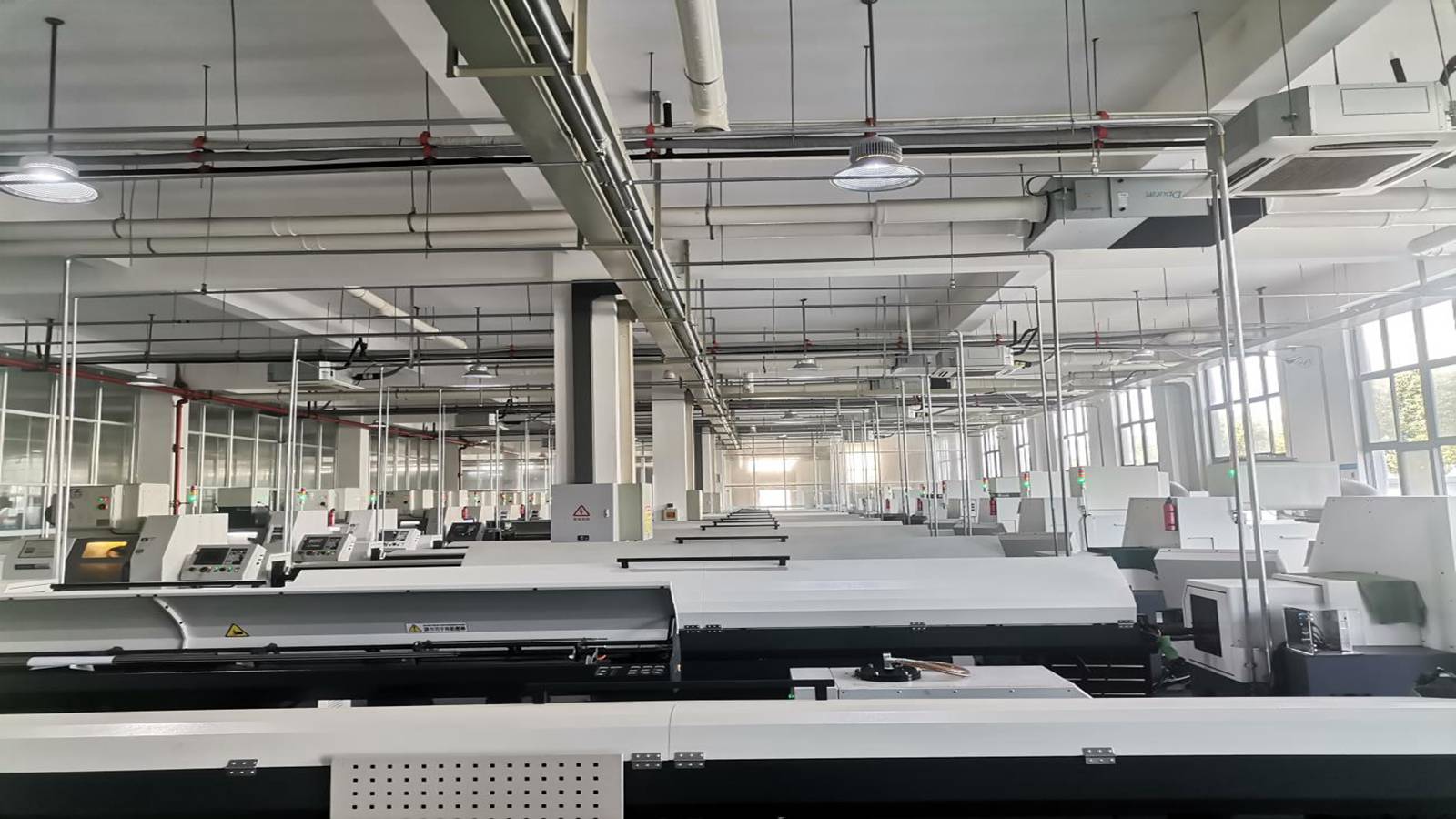
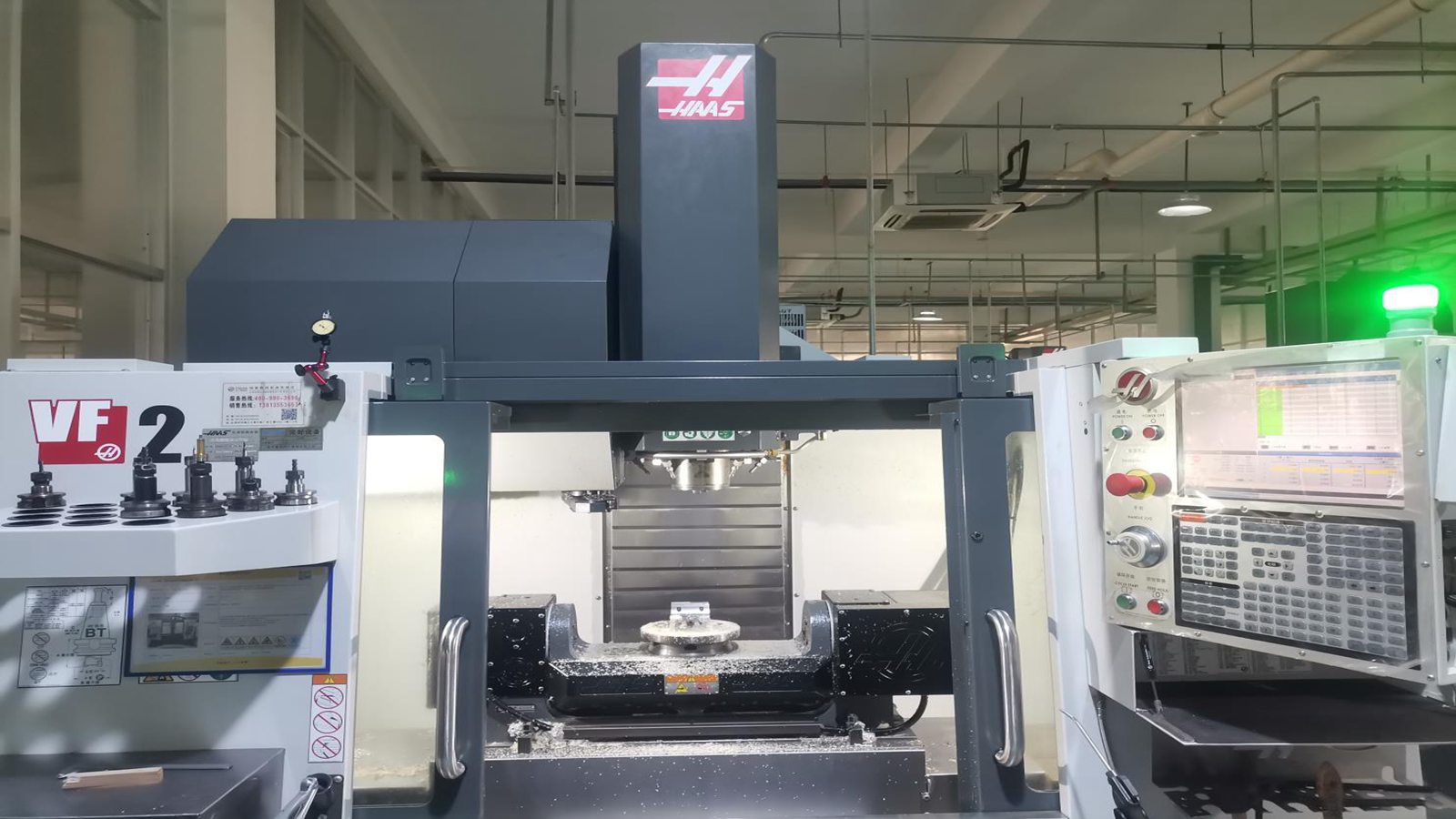
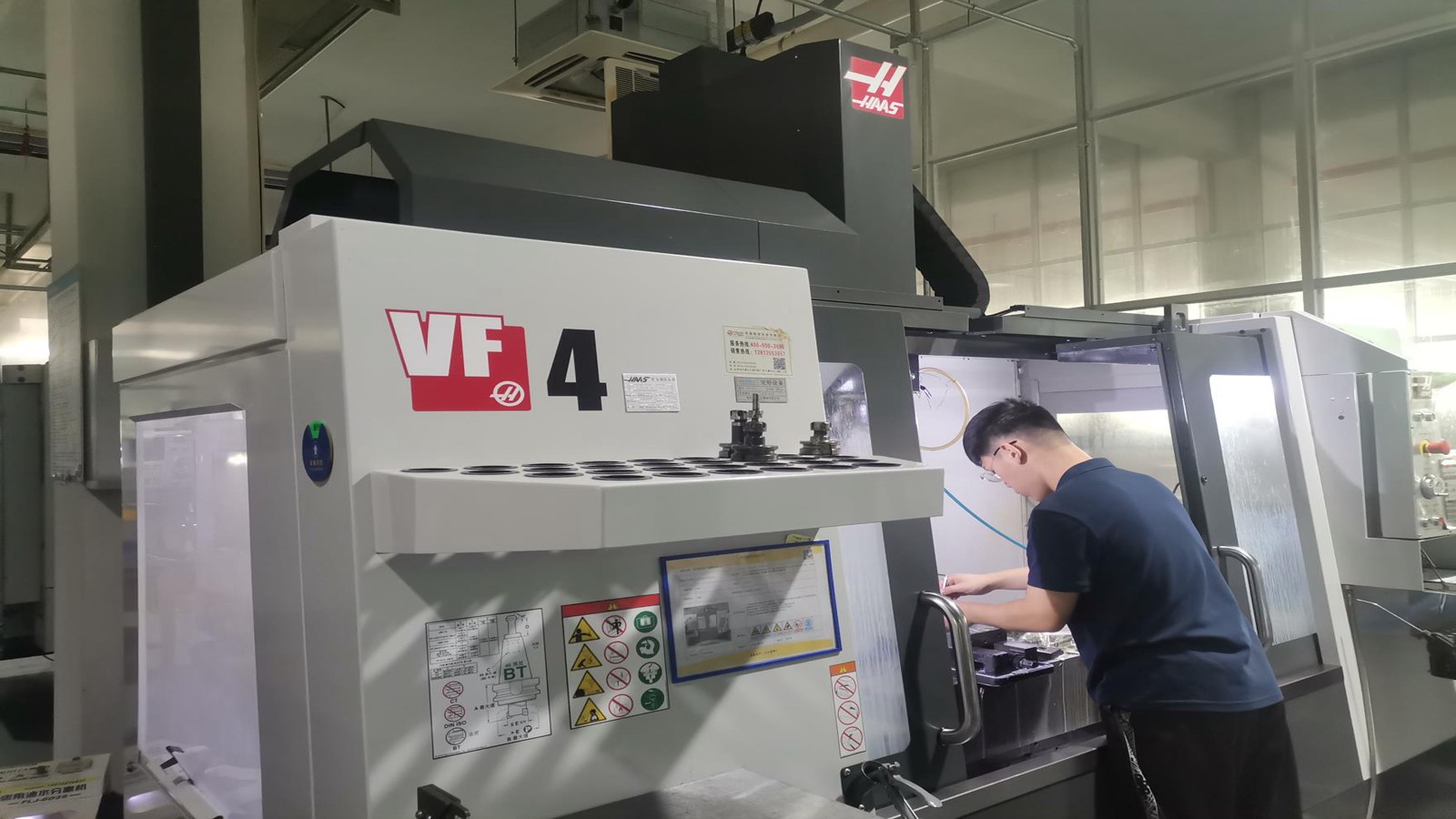
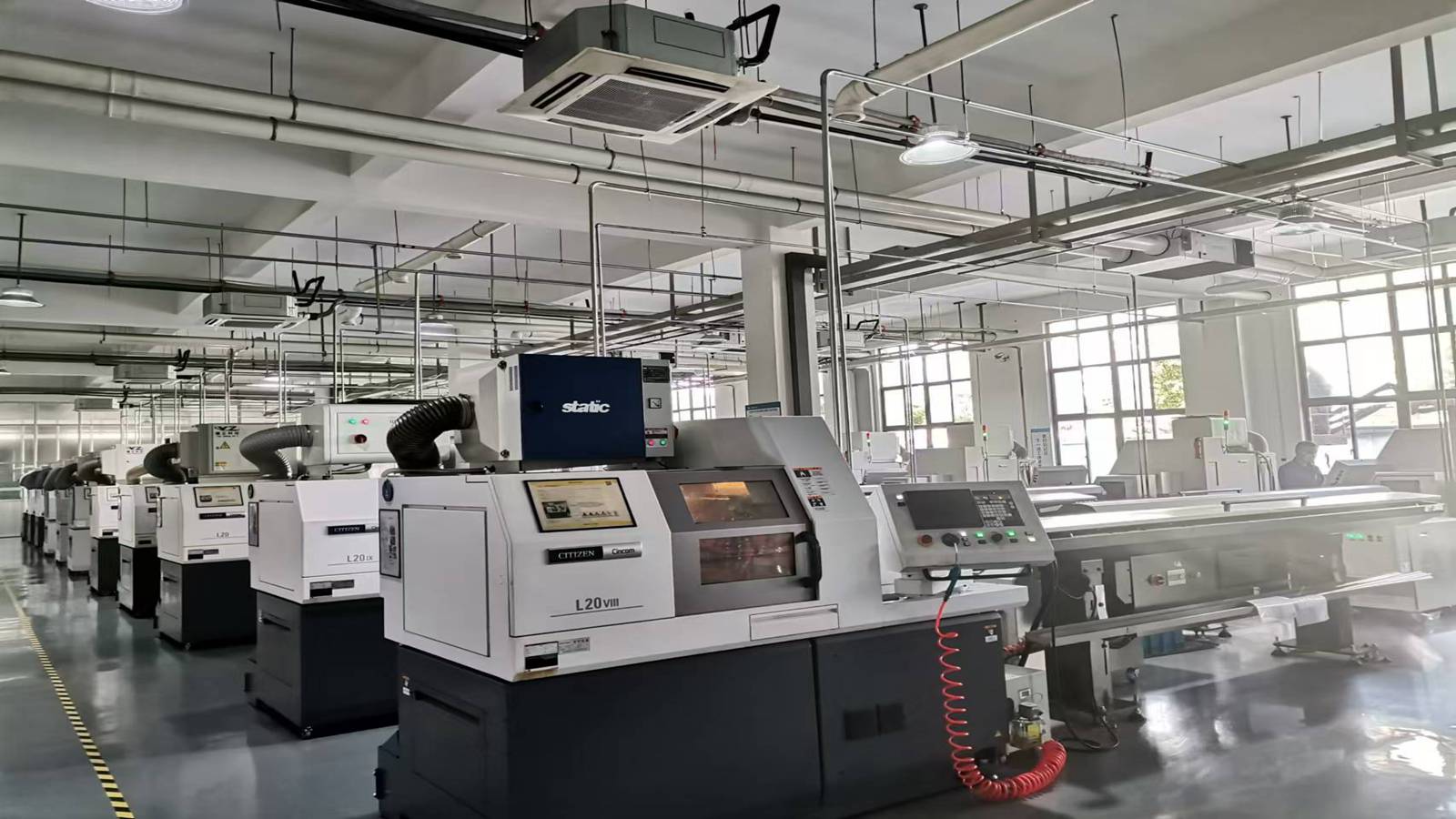
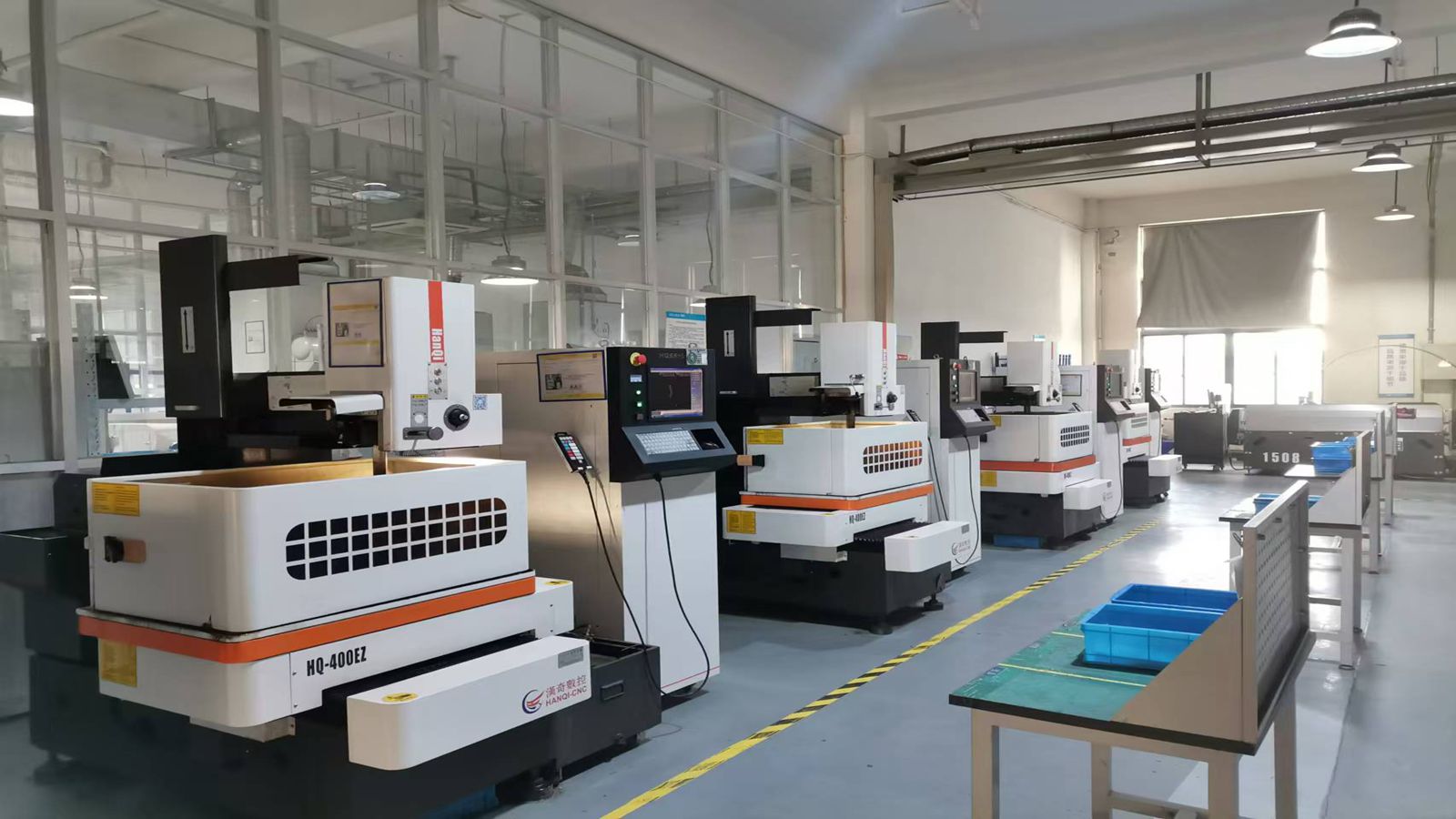
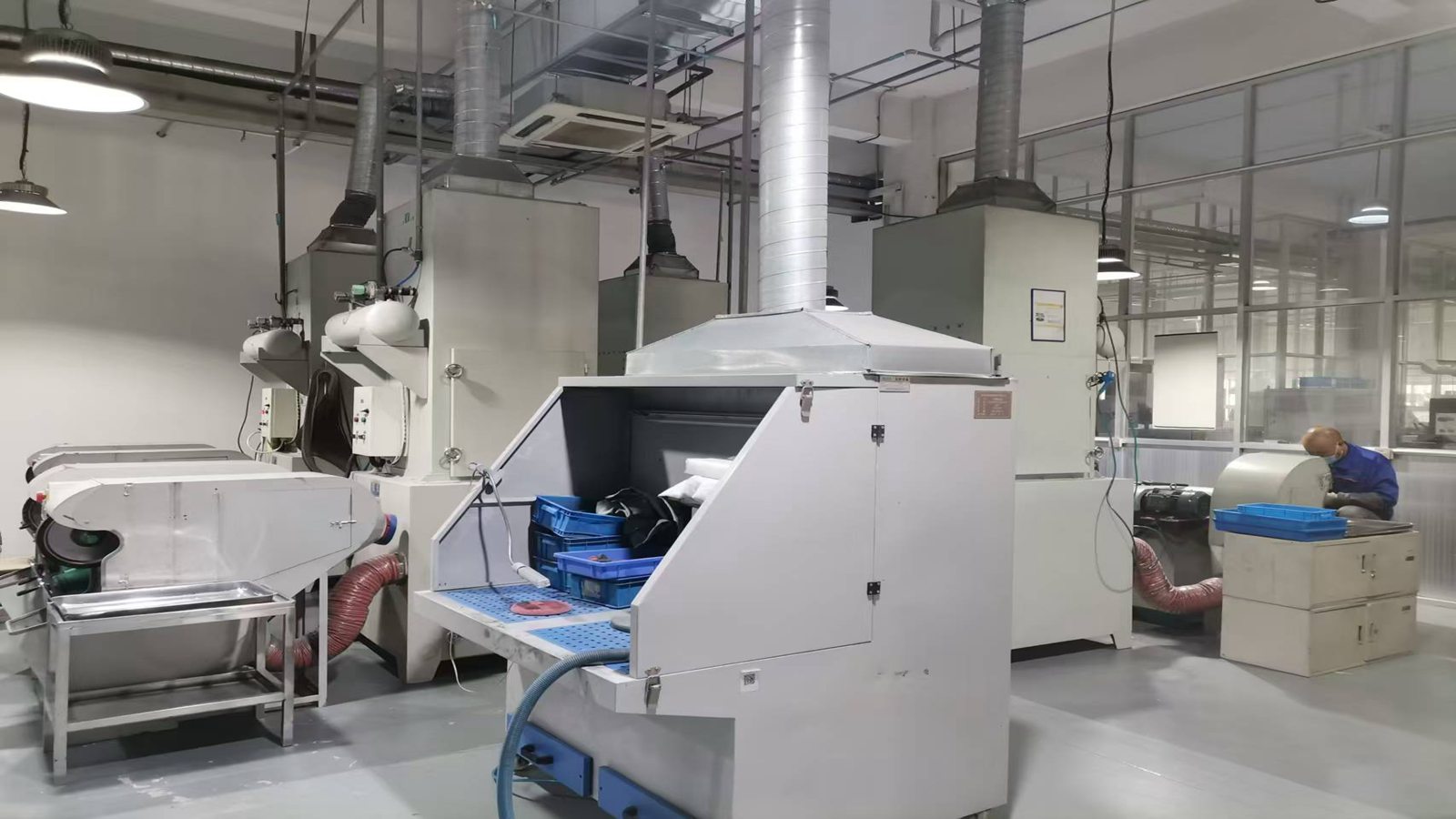
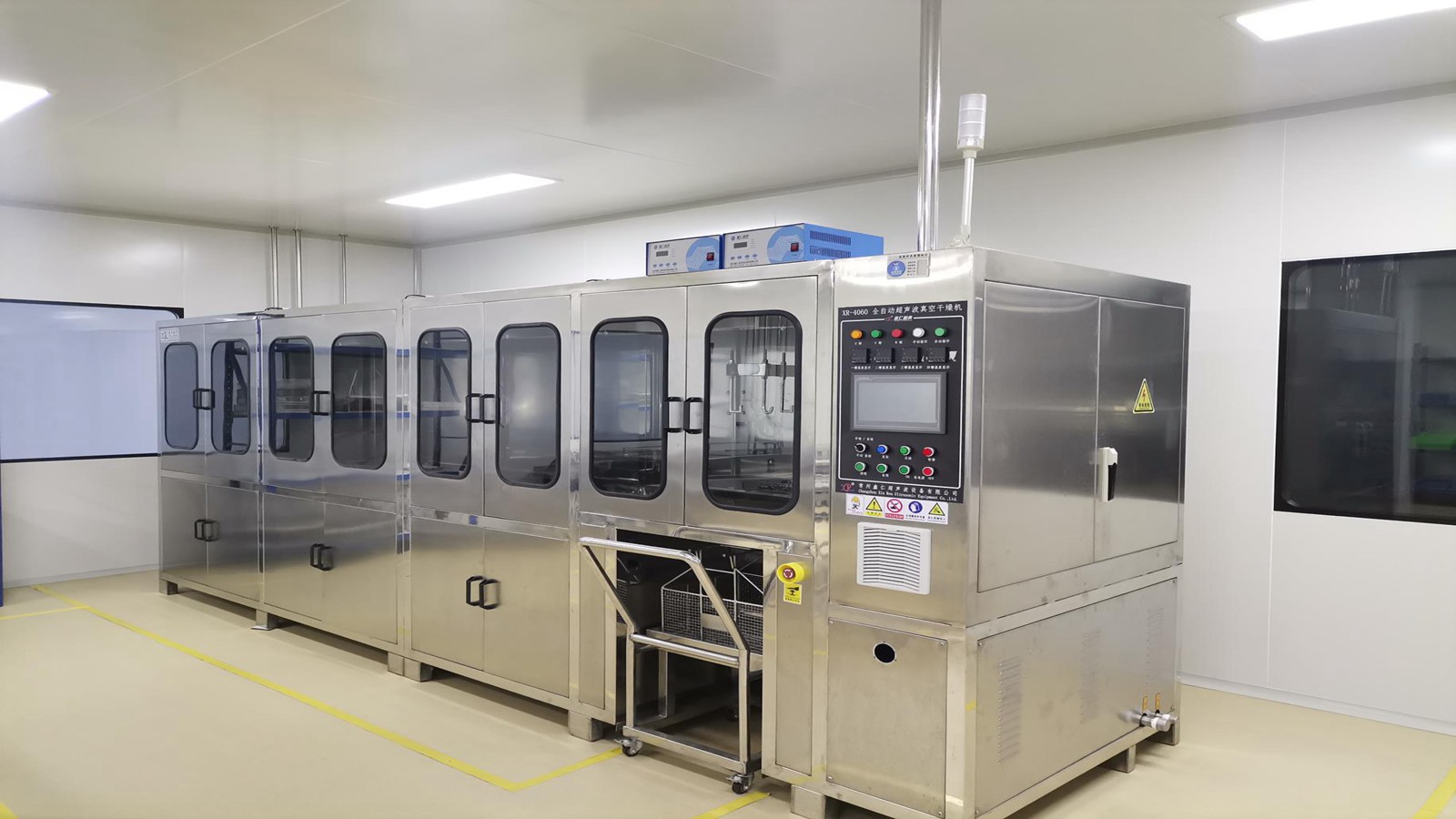
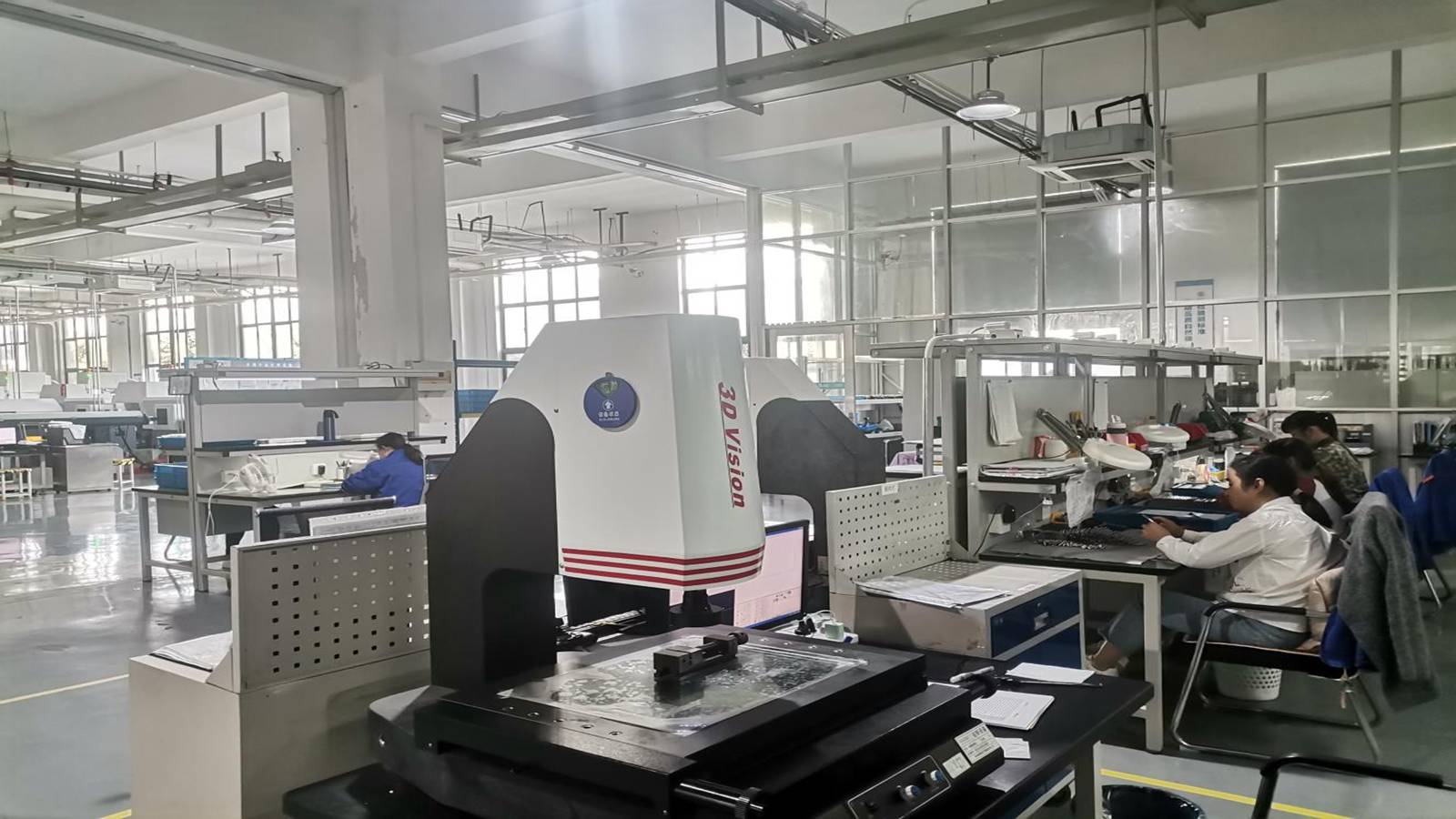
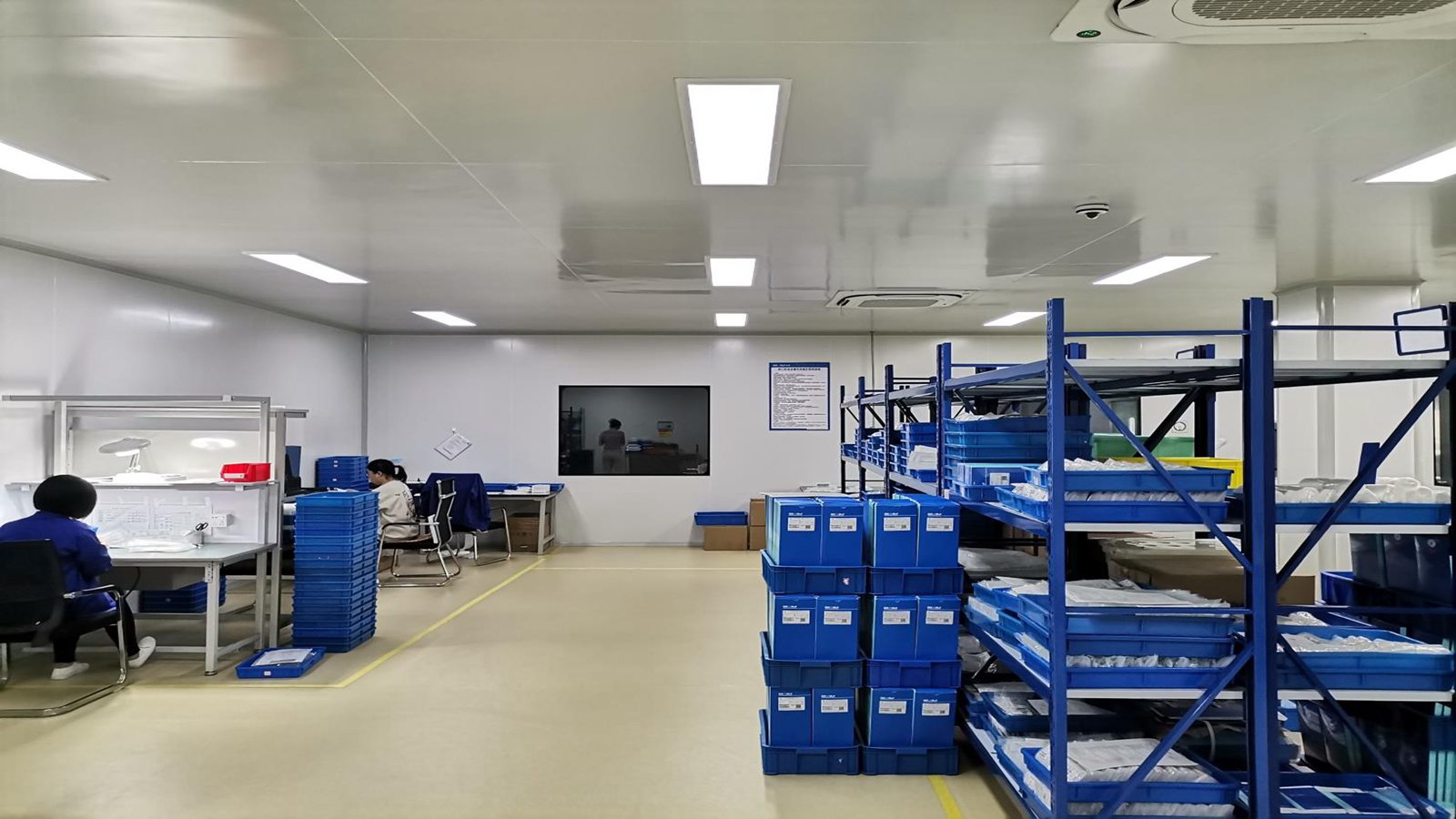
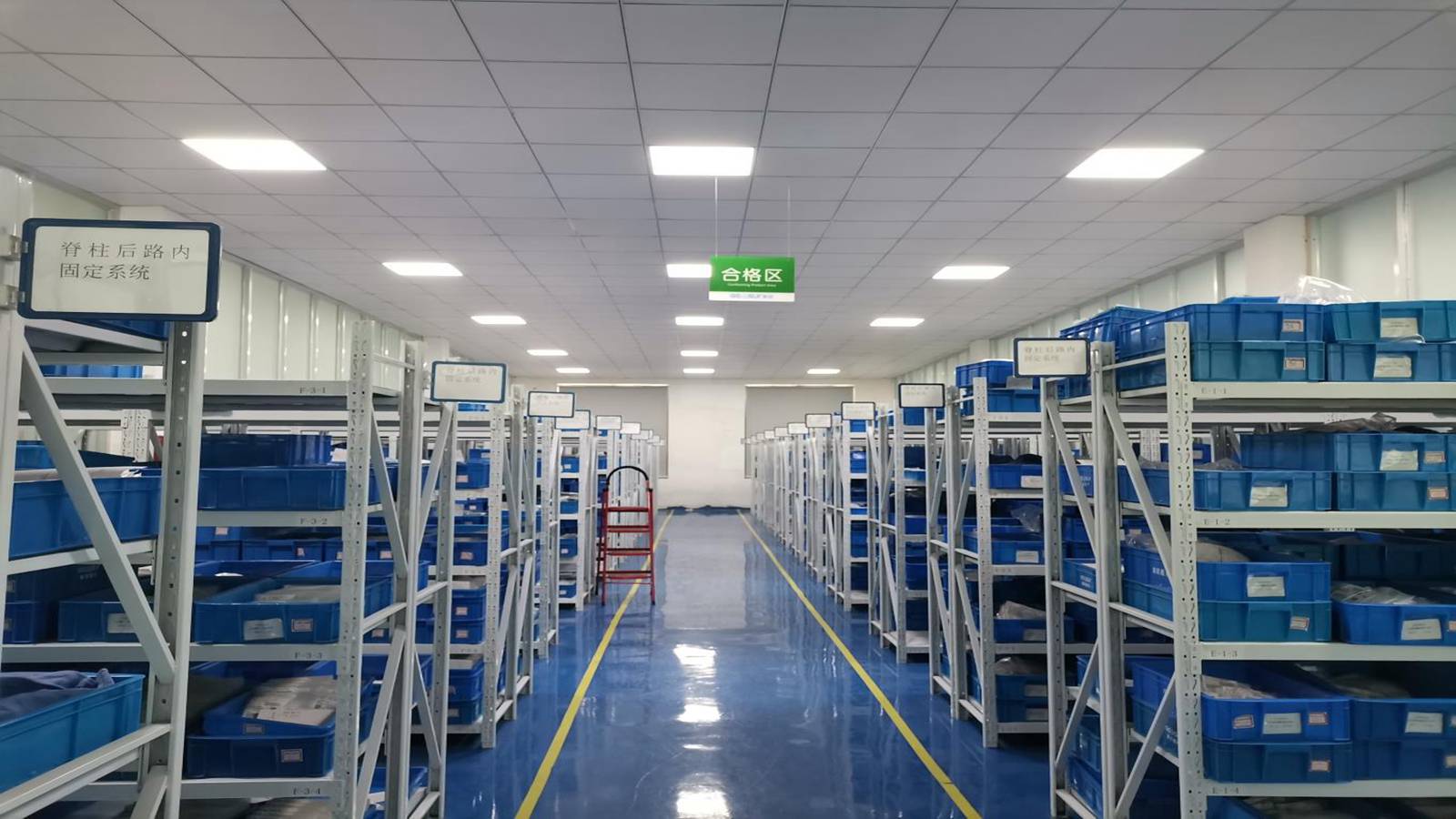
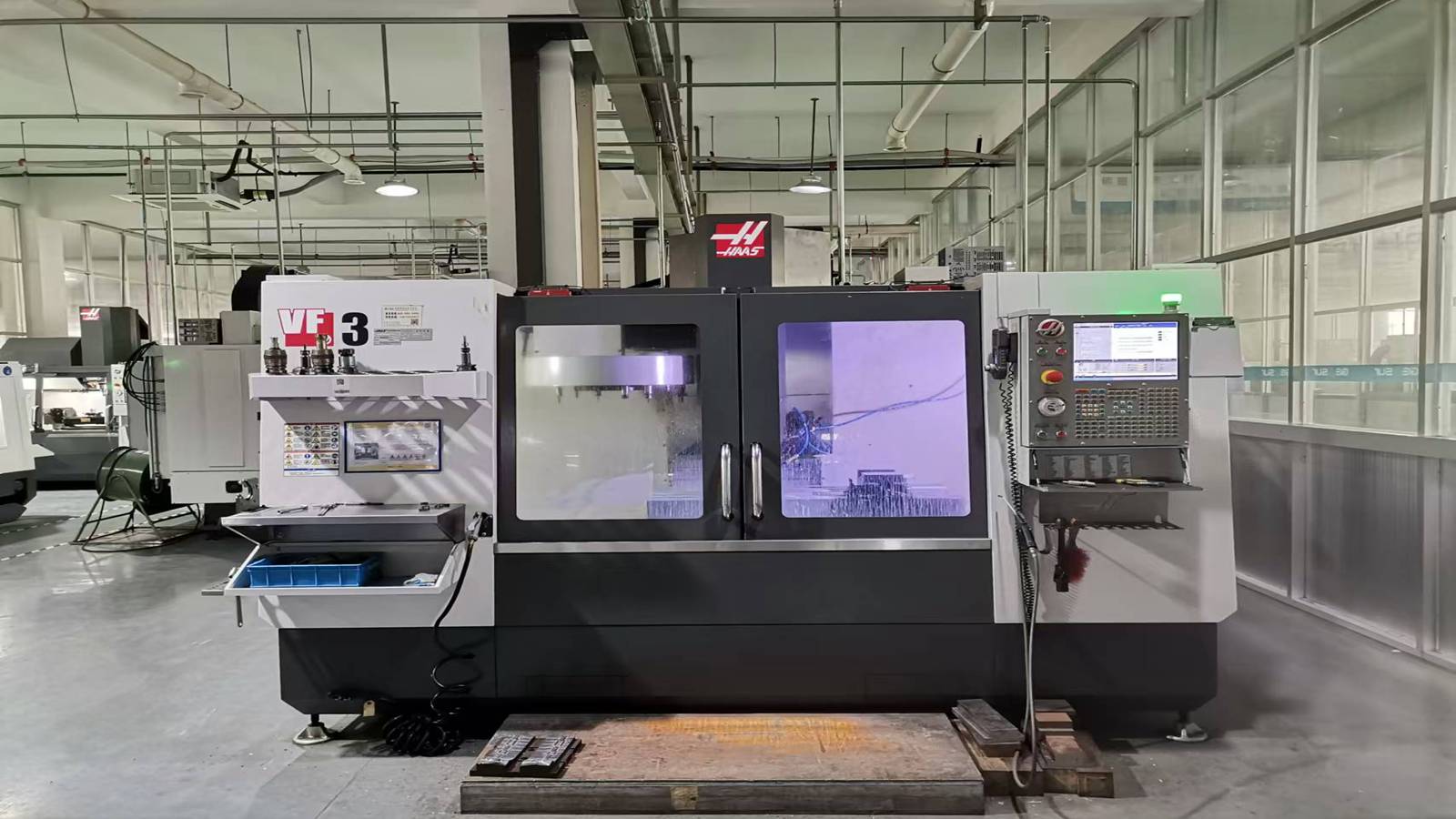
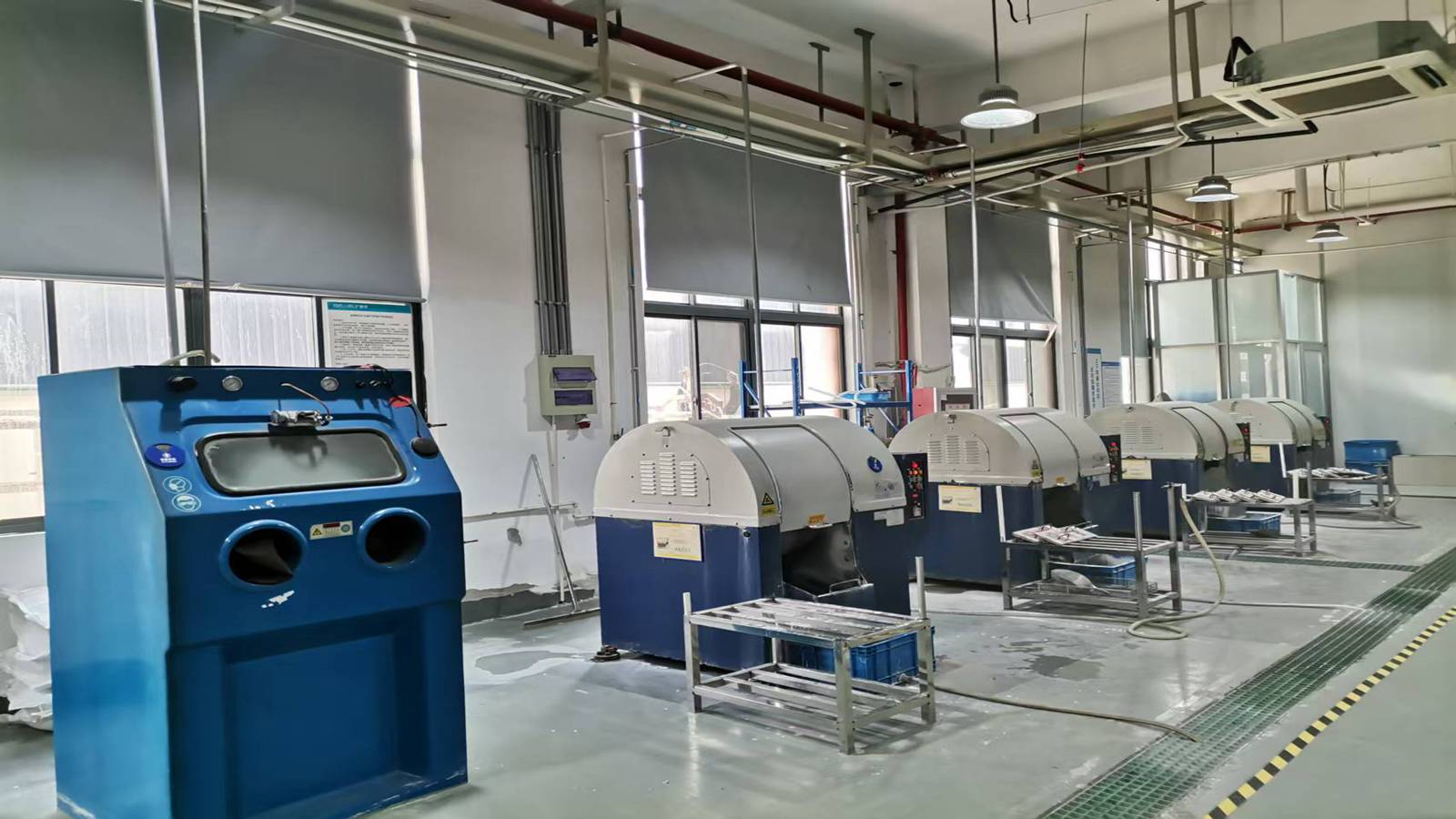
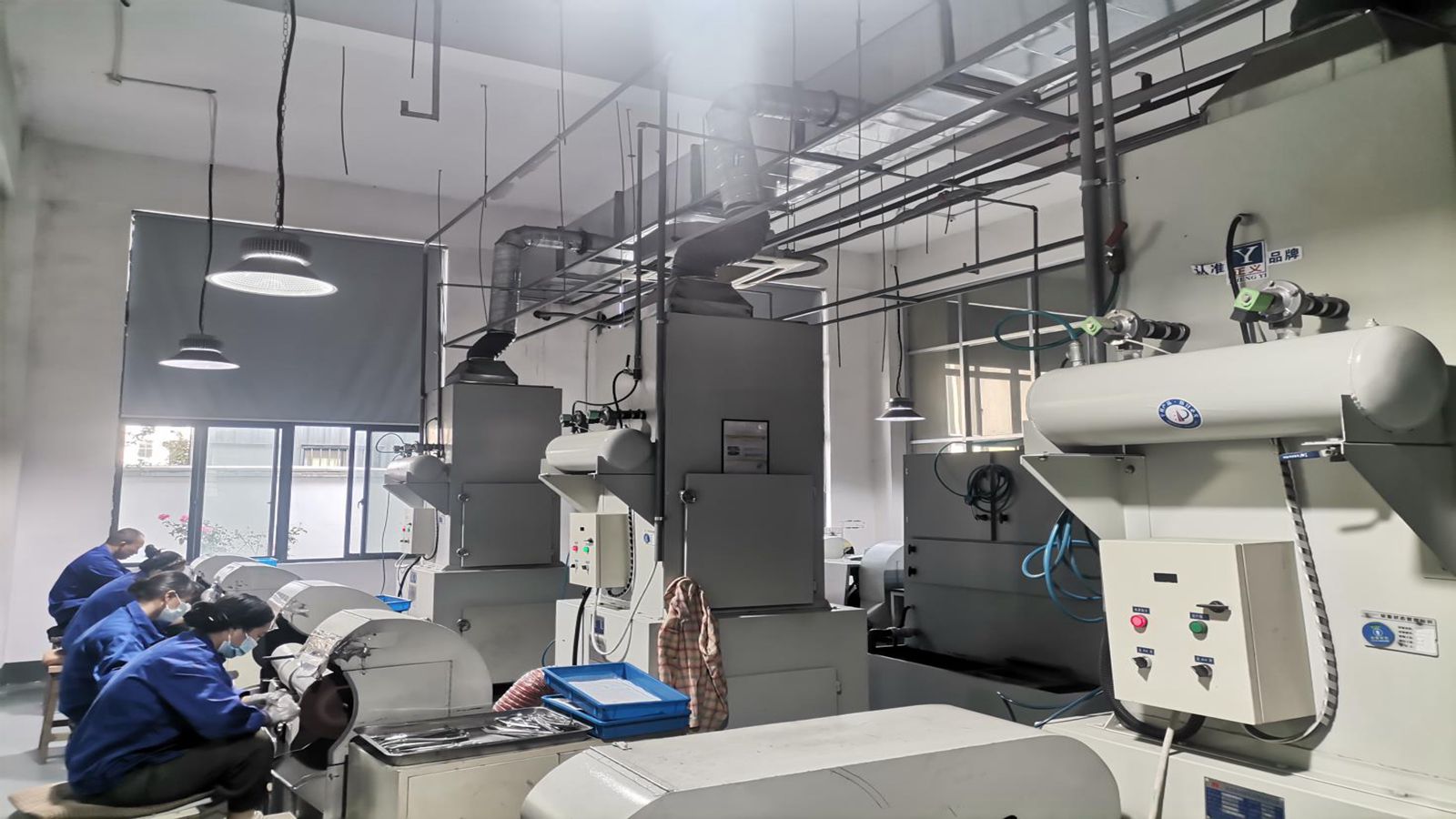
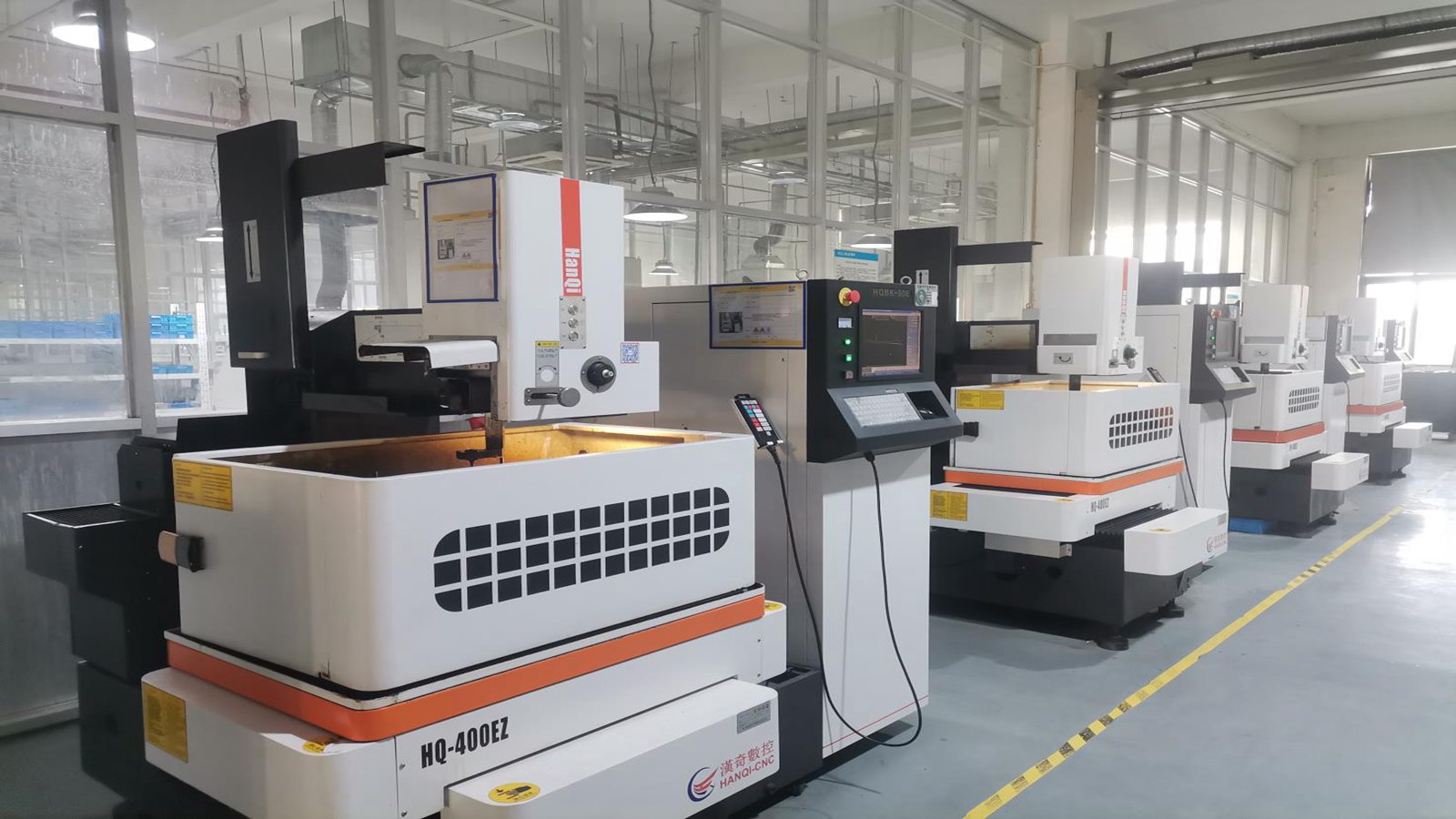
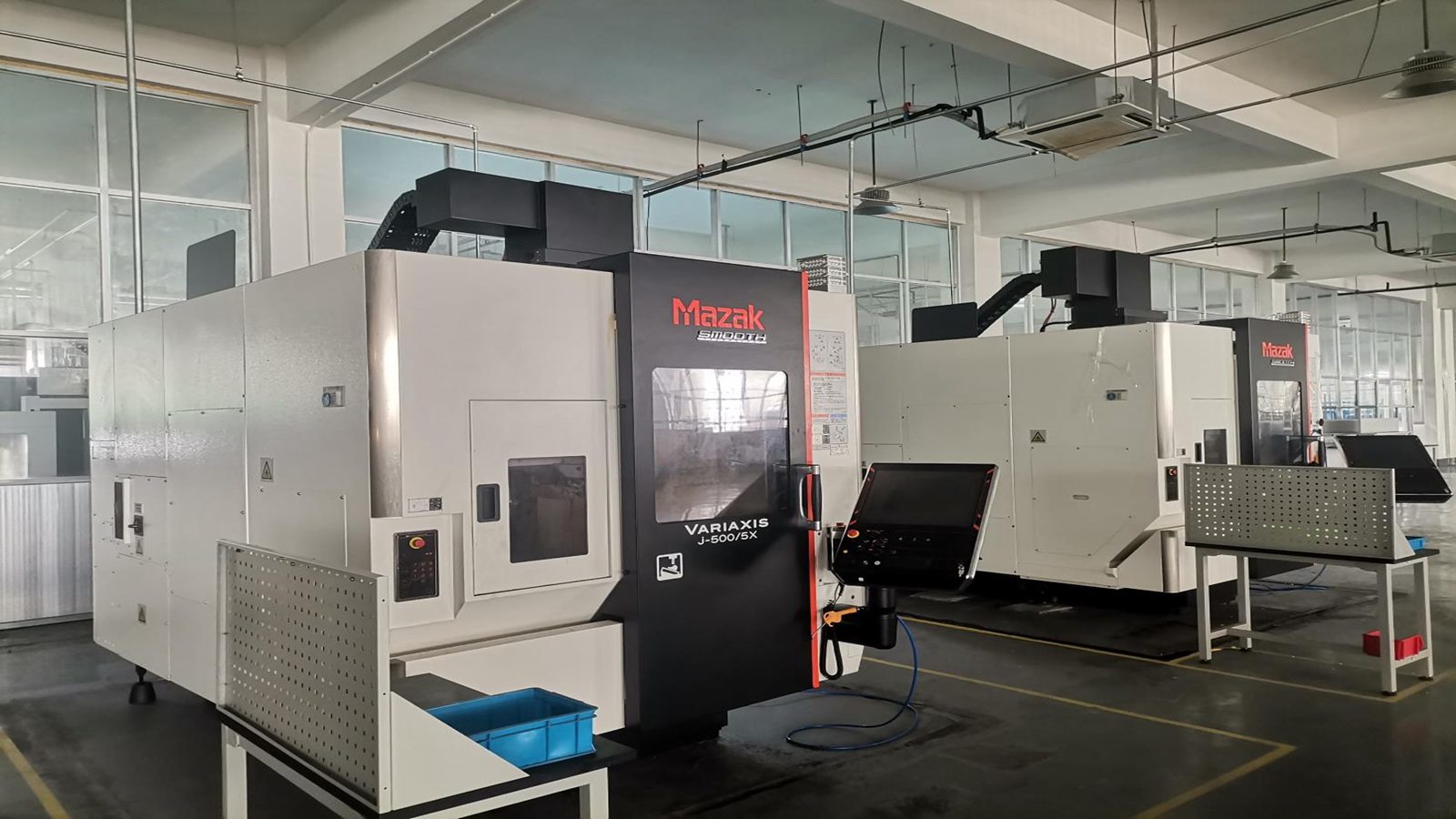
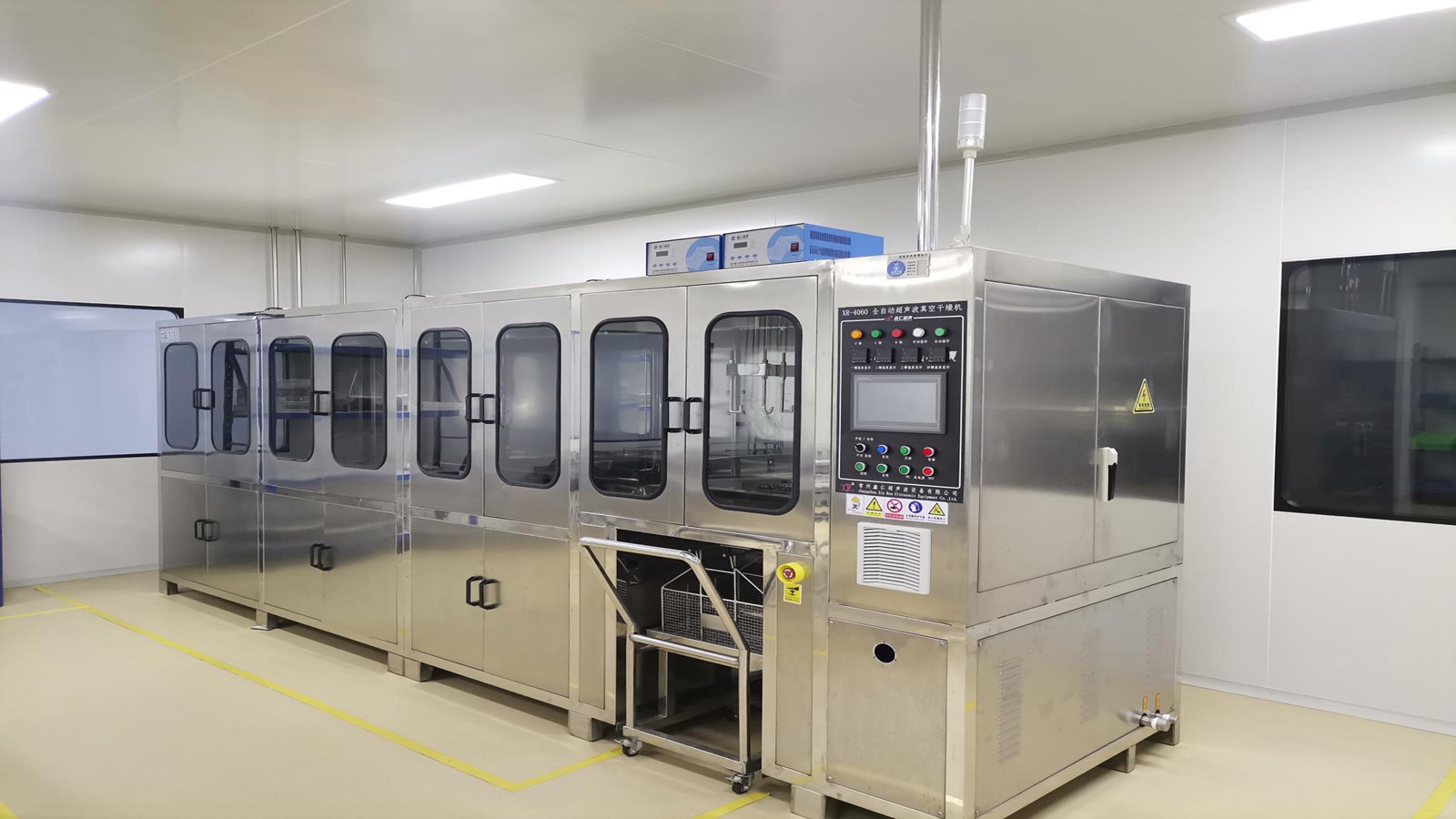
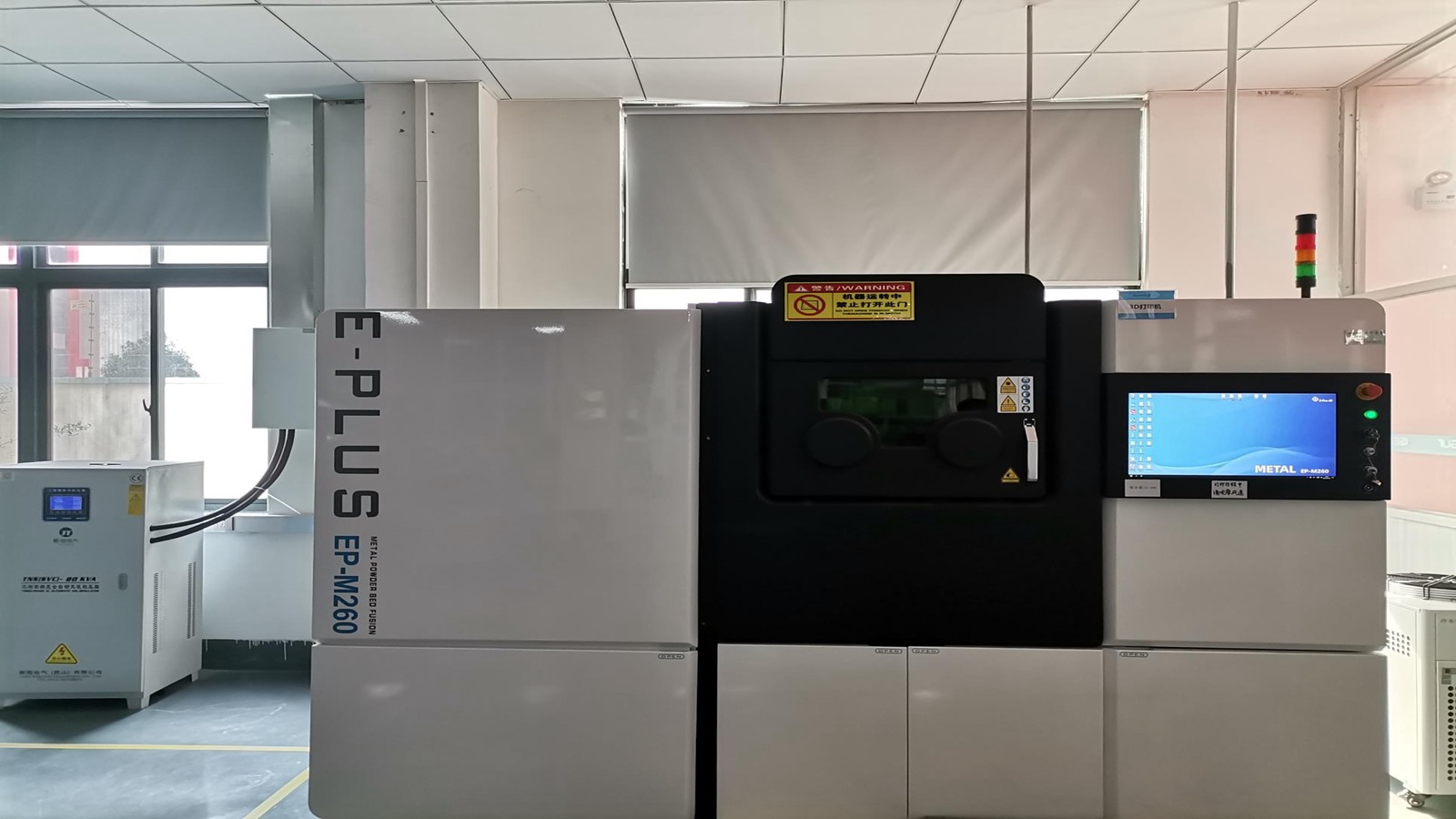
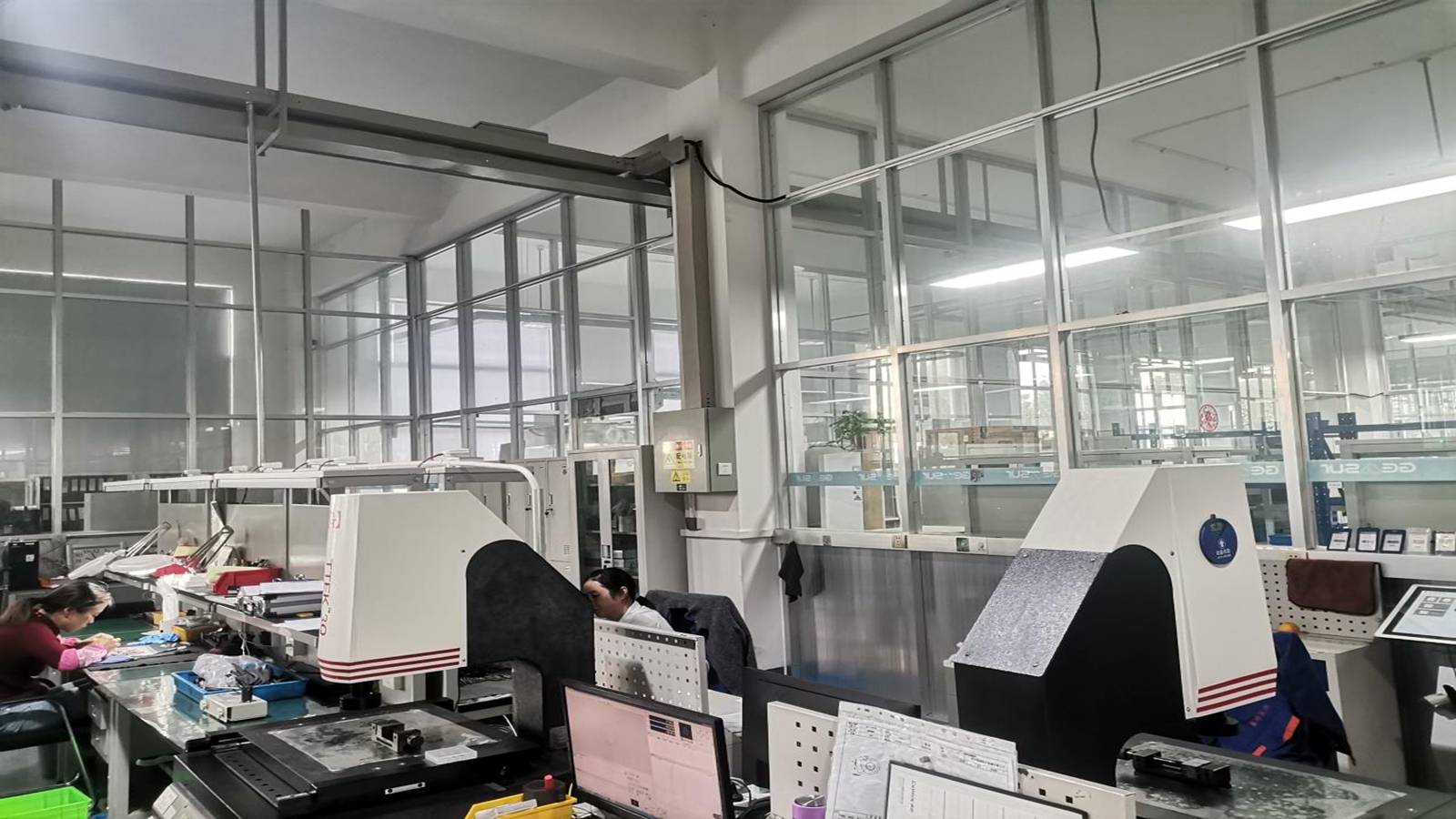
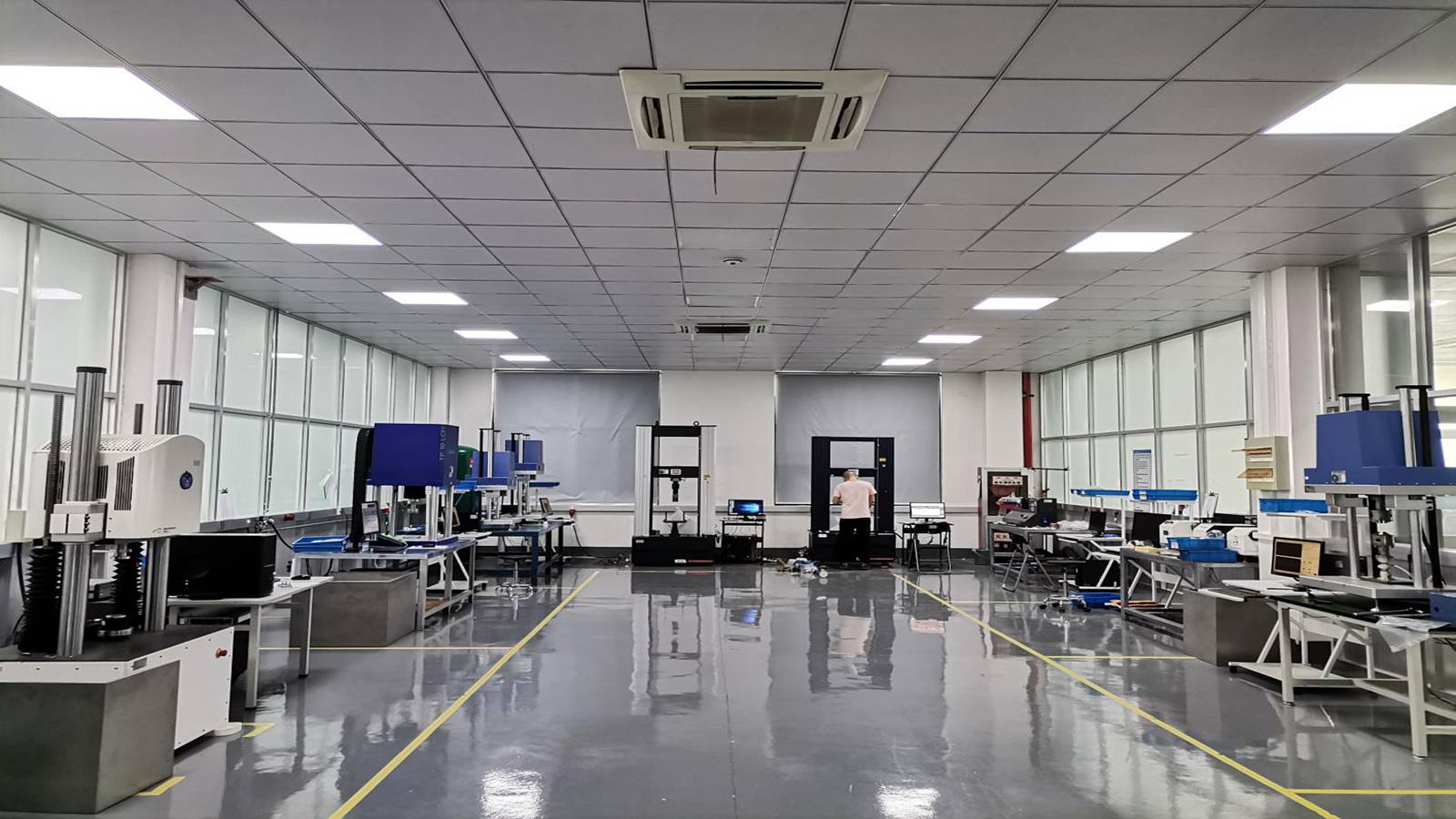
HBM Medical Apparatus And Instruments Co., Ltd. is a premier orthopedic medical equipment R&D, manufacturing, and operating enterprise. With a state-of-the-art production site spanning over 30,343 square meters, we house more than 350 advanced processing and testing machines, including 12 specialized production lines and 120 high-precision production machines. Our robust manufacturing infrastructure ensures an uninterrupted global supply of high-quality orthopedic implants and surgical instruments.
Equipped with first-class production equipment, professional R&D, technology, and manufacturing teams, and a quality management system in line with international standards, HBM has won the recognition of partners worldwide. Our products have obtained prestigious certifications, including CE (EPT 0477.MDR.25/5905 & EPT 0477.MDR.25/5973), ISO 13485, and MDSAP (C730178), ensuring absolute compliance with global regulatory frameworks.
A visual insight into our ISO-certified cleanrooms, CNC machining centers, and quality control laboratories.




Expert answers to critical questions regarding ceramic hip heads, material properties, and clinical applications.
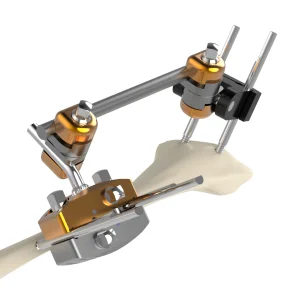
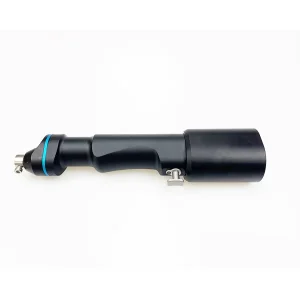
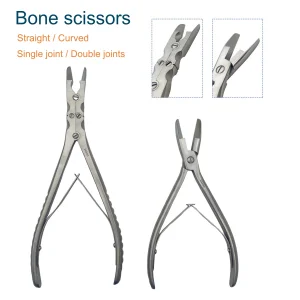
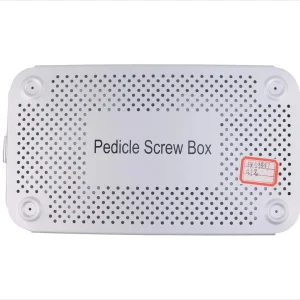
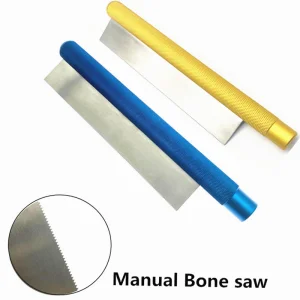
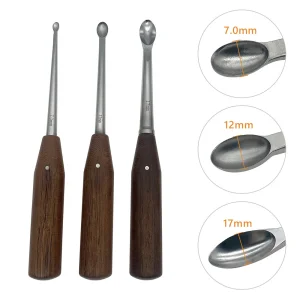
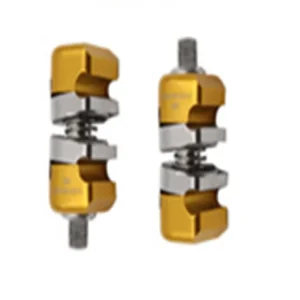
Discover our comprehensive range of external fixators, bone saws, and specialized surgical instruments designed for human and veterinary applications.
 HBM Medical