Explore our state-of-the-art clinical solutions engineered for maximum surgical precision and patient safety.

An in-depth analysis of biomechanical stability, PMMA interfaces, and the resurgence of cemented fixation in modern orthopedics.
Total Hip Arthroplasty (THA) remains one of the most successful surgical procedures of the 21st century. While cementless fixation has gained significant popularity in recent decades, cemented hip prostheses continue to be the gold standard for specific patient demographics, particularly the elderly, patients with compromised bone quality (osteoporosis), and those presenting with atypical proximal femoral geometry (Dorr Type C femurs).
The primary mechanism of cemented fixation is not chemical adhesion, but rather mechanical interlock. Polymethyl methacrylate (PMMA) acts as a grout, distributing physiological loads evenly across a broader surface area of the bone-implant interface. This uniform distribution significantly reduces localized stress concentrations, minimizing the risk of periprosthetic fractures—a complication increasingly observed in cementless designs within osteoporotic bone structures.
Modern third-generation cementing techniques, incorporating vacuum mixing, retrograde cement introduction via a distal plug, and pressurized femoral compaction, have dramatically improved the long-term survivorship of cemented stems. Clinical registries worldwide, including the highly regarded Swedish and British National Joint Registries, consistently report exceptional survival rates exceeding 95% over a 15-to-20-year follow-up period for cemented femoral components in patients aged 70 and older.
As healthcare systems globally grapple with aging populations and rising surgical volumes, the demand for cost-effective, highly reliable implants has surged. The global orthopedic community is witnessing a strong resurgence in "hybrid" total hip arthroplasty—utilizing a cementless acetabular cup combined with a cemented femoral stem. This configuration optimizes the biological fixation required at the pelvis while mitigating the femoral complications associated with press-fit stems in older bone.
Provides immediate post-operative stability in low-density bone, allowing early full weight-bearing and reducing hospitalization times.
The viscoelastic properties of PMMA act as a buffer, reducing the elastic mismatch between titanium/cobalt-chrome alloys and cortical bone.
Backed by over 40 years of clinical registry data demonstrating unmatched long-term outcomes in elderly patient cohorts.
A premier Chinese orthopedic R&D and manufacturing powerhouse, delivering CE-certified joint reconstruction systems to international markets.
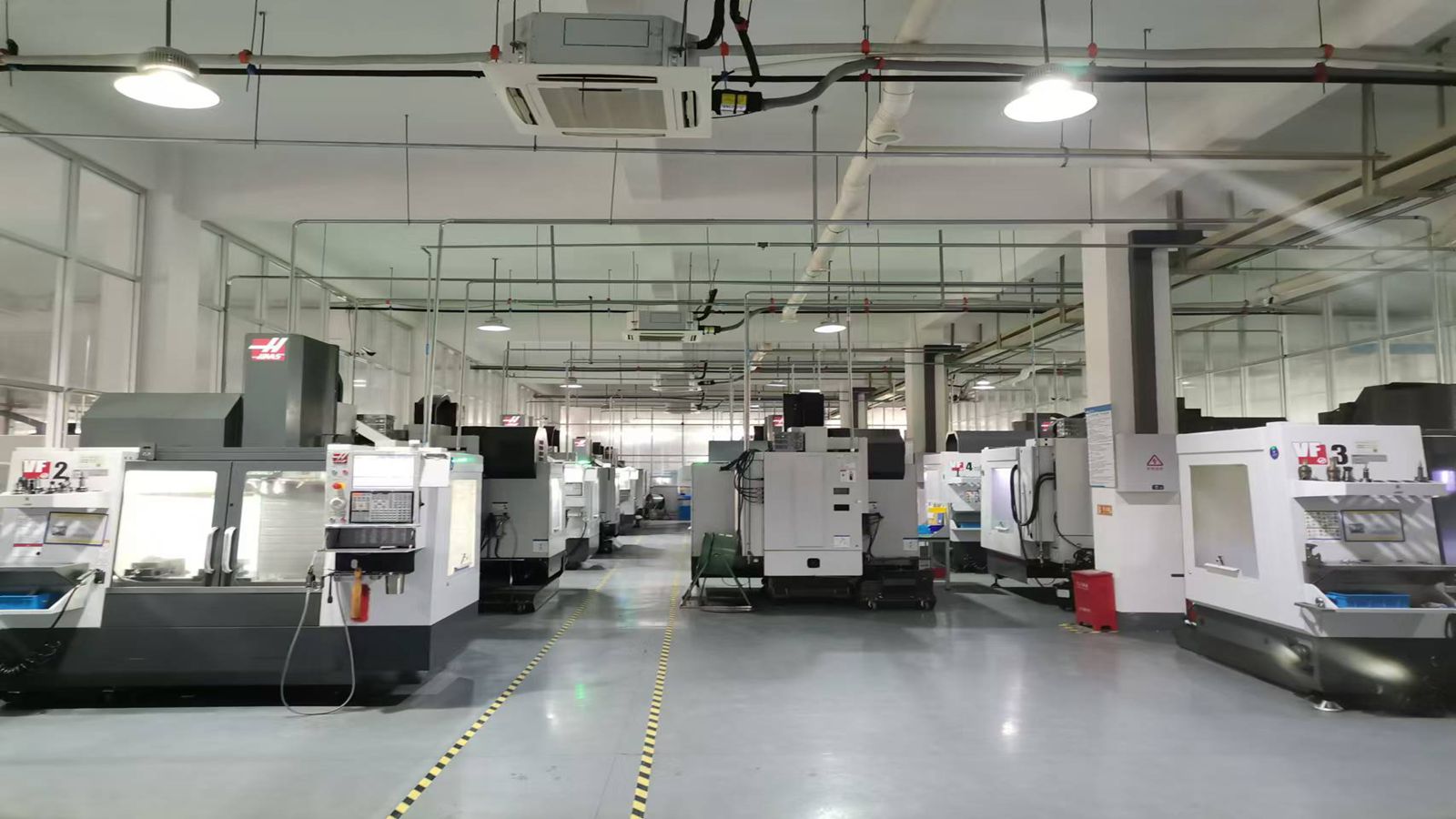
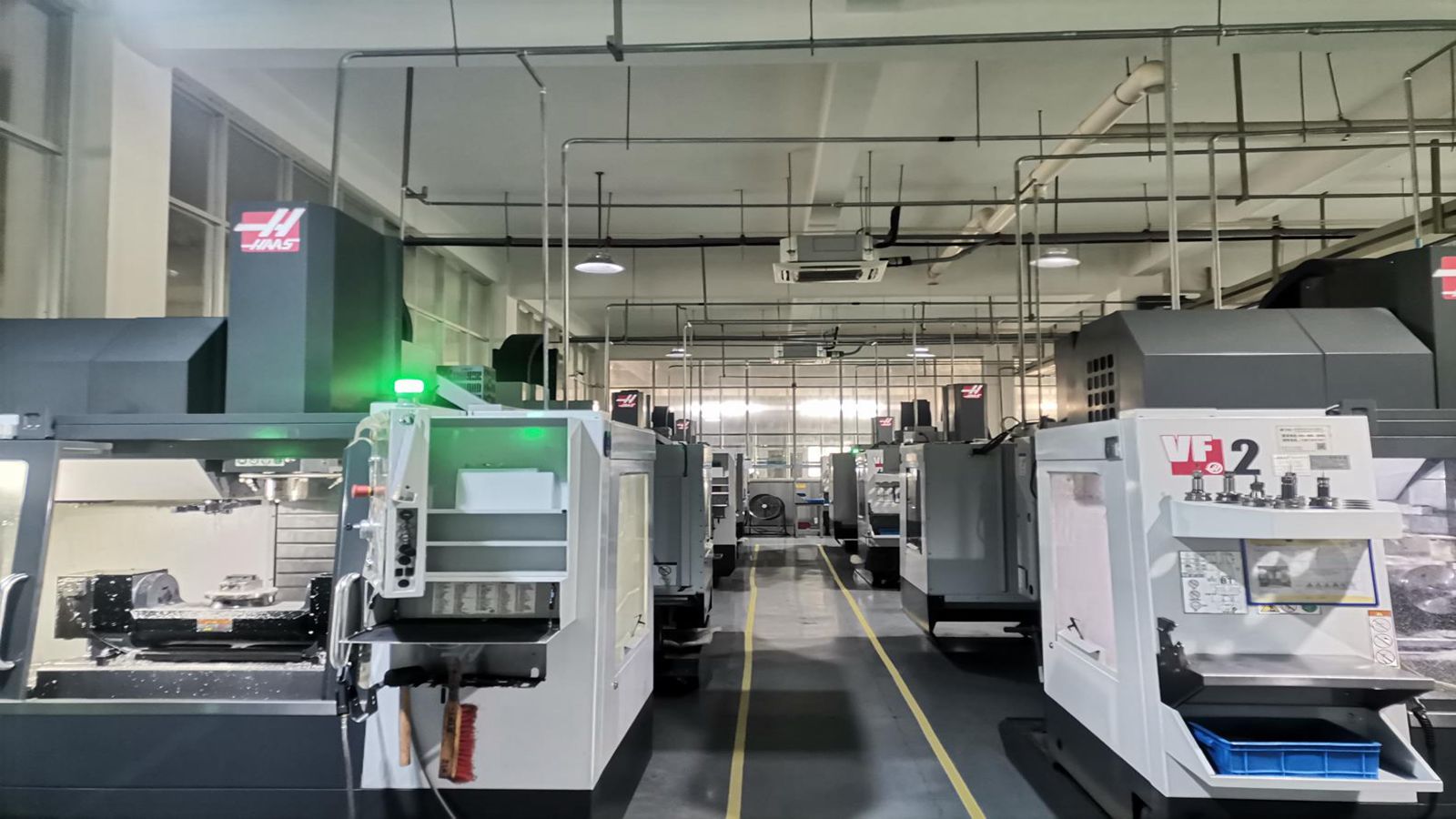
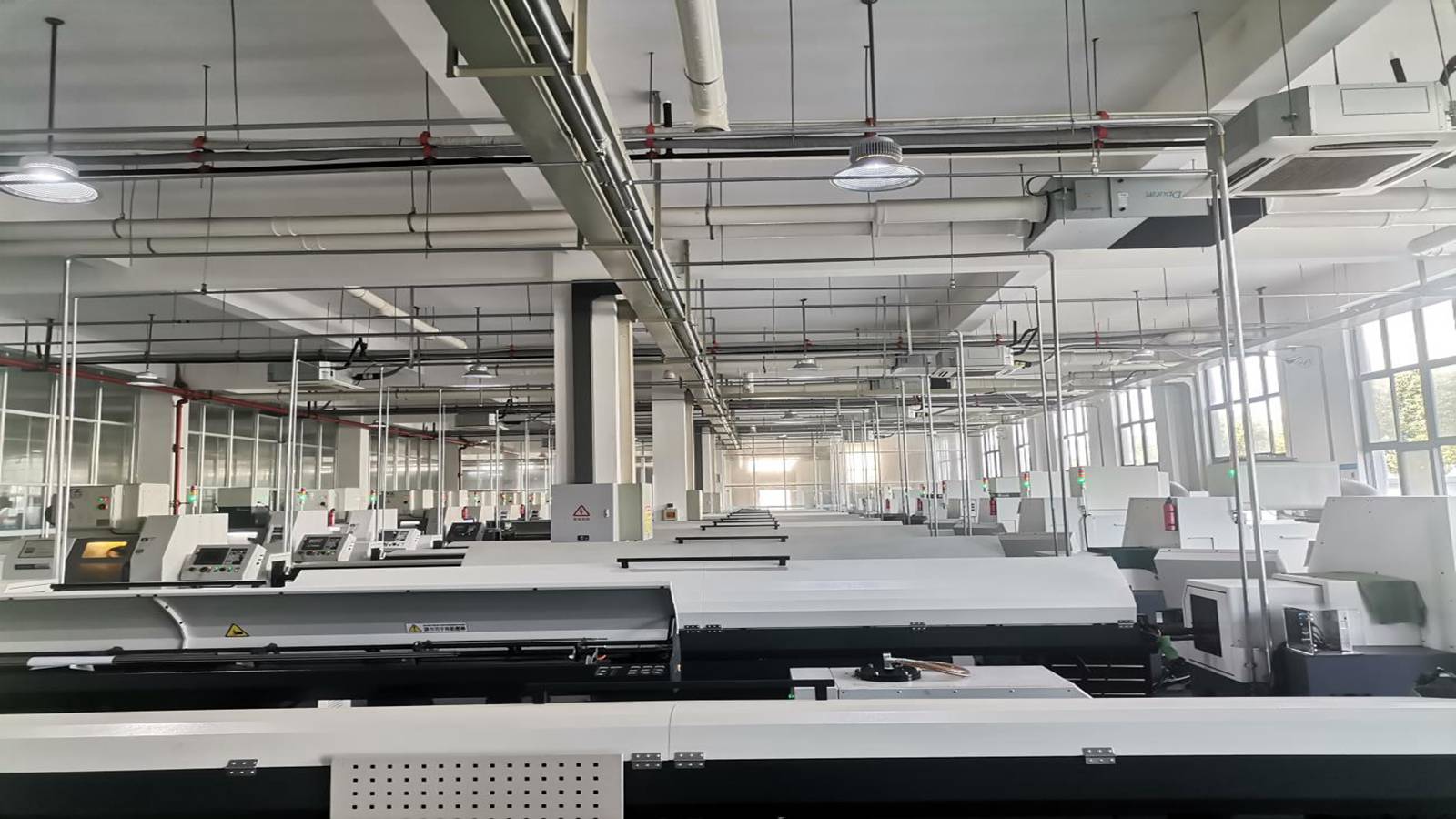
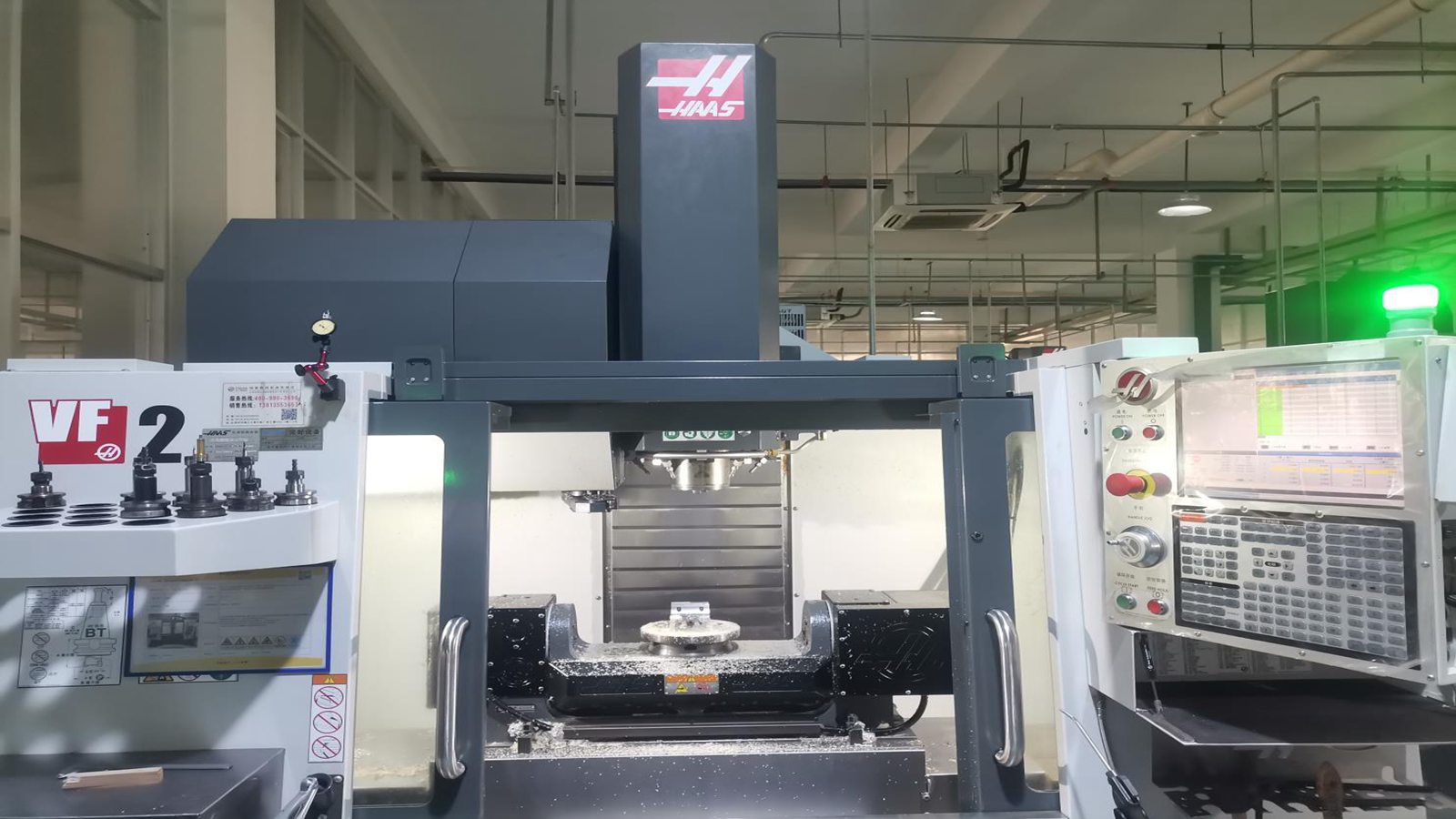
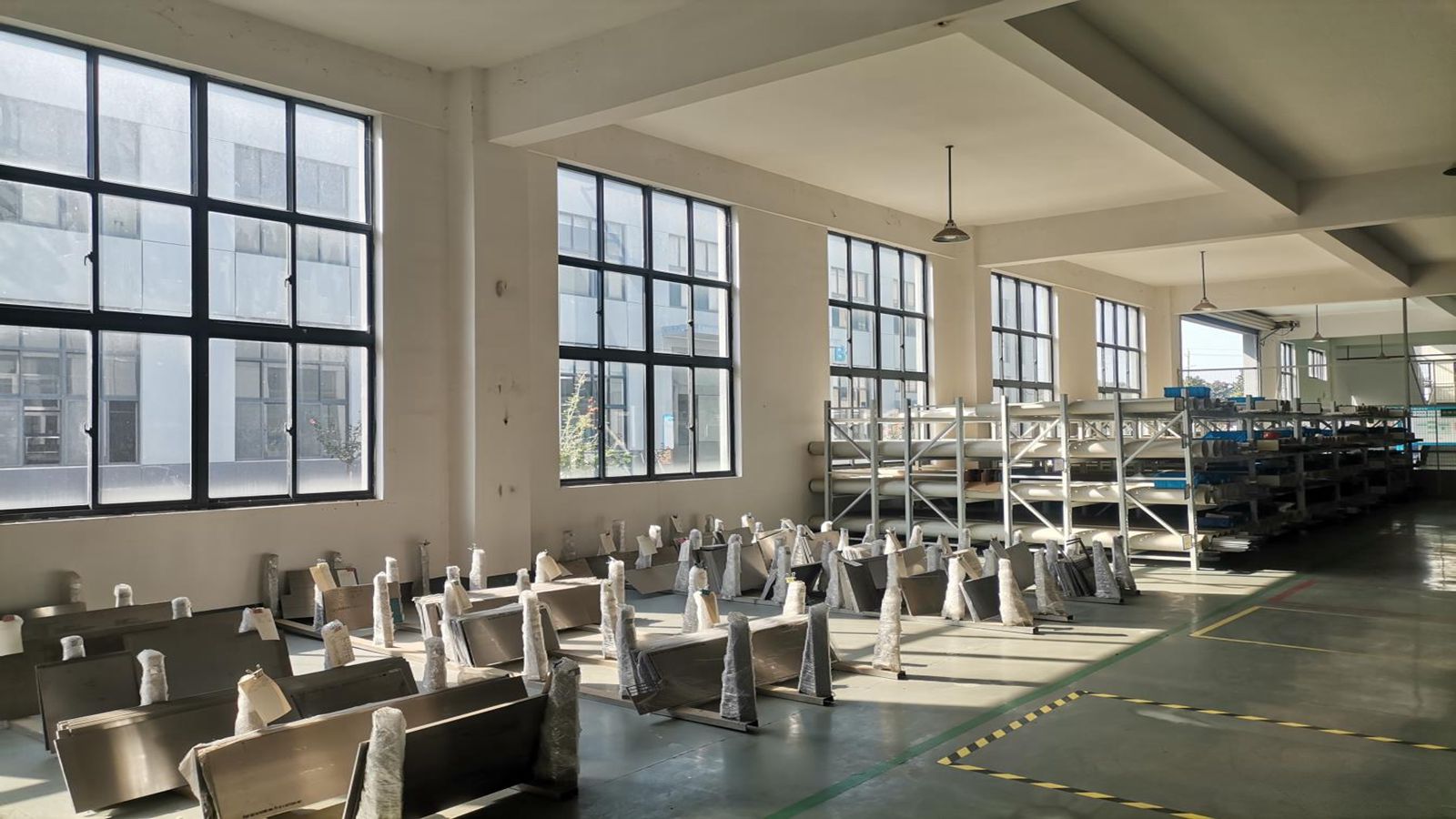
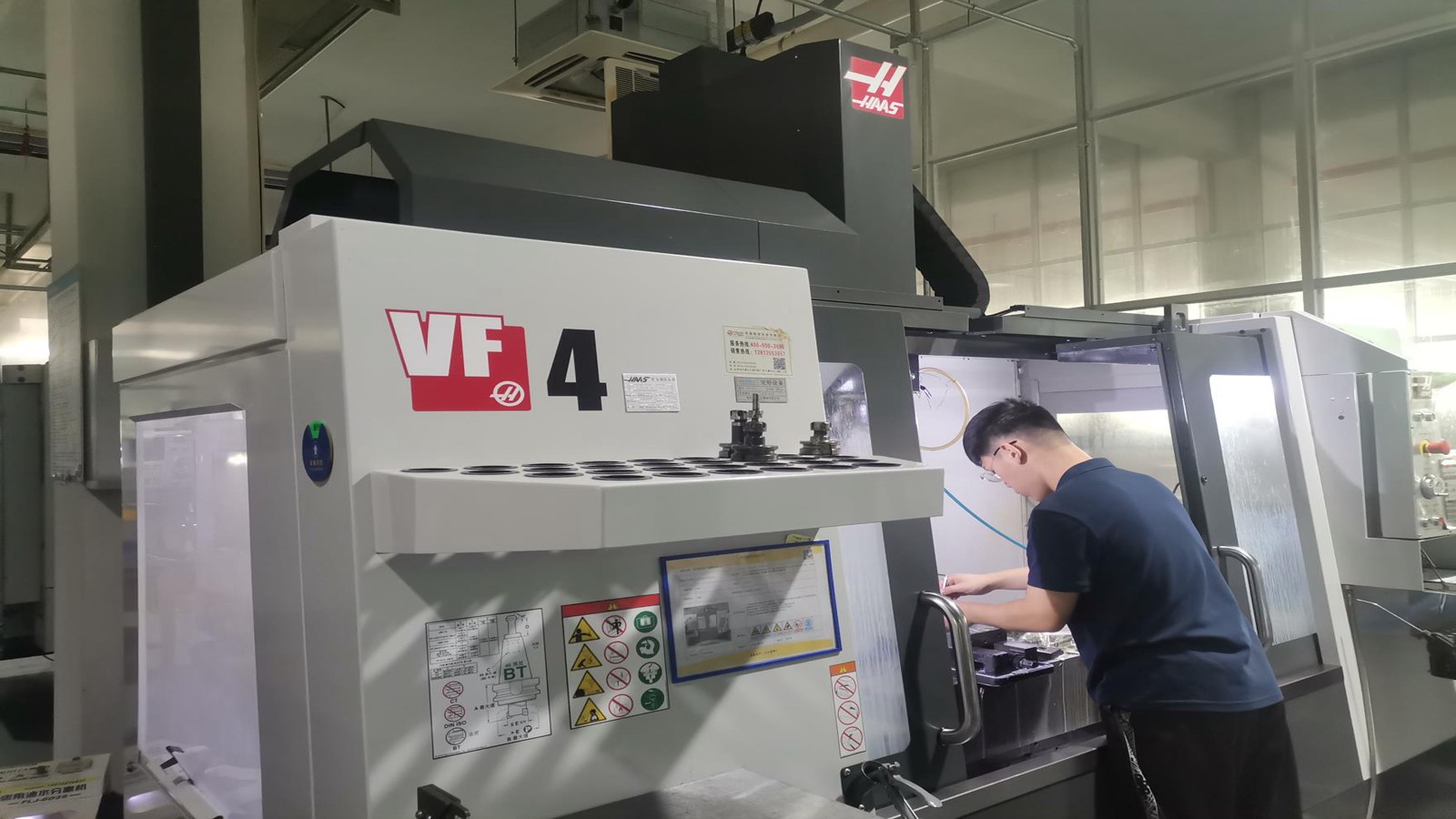
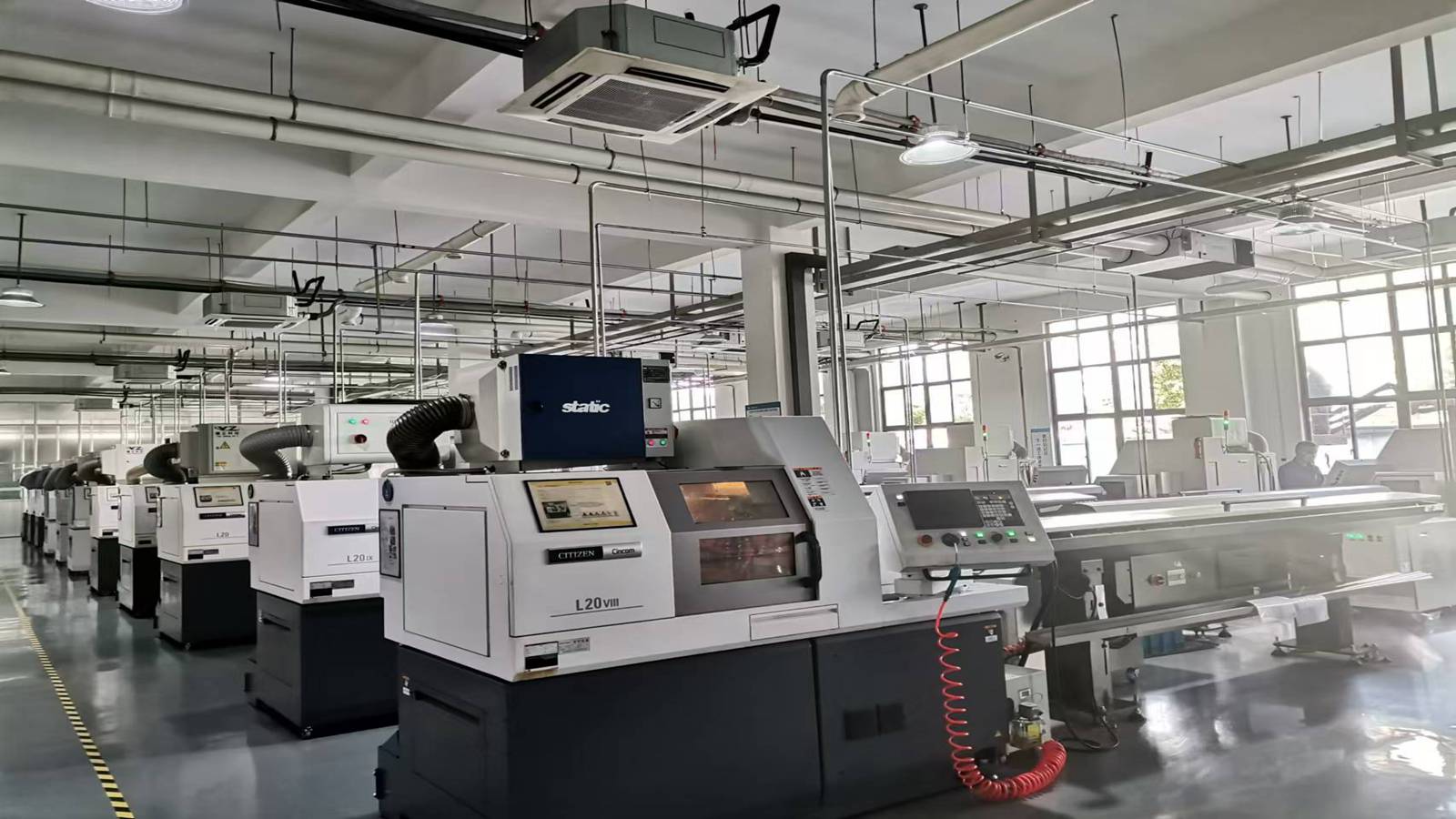
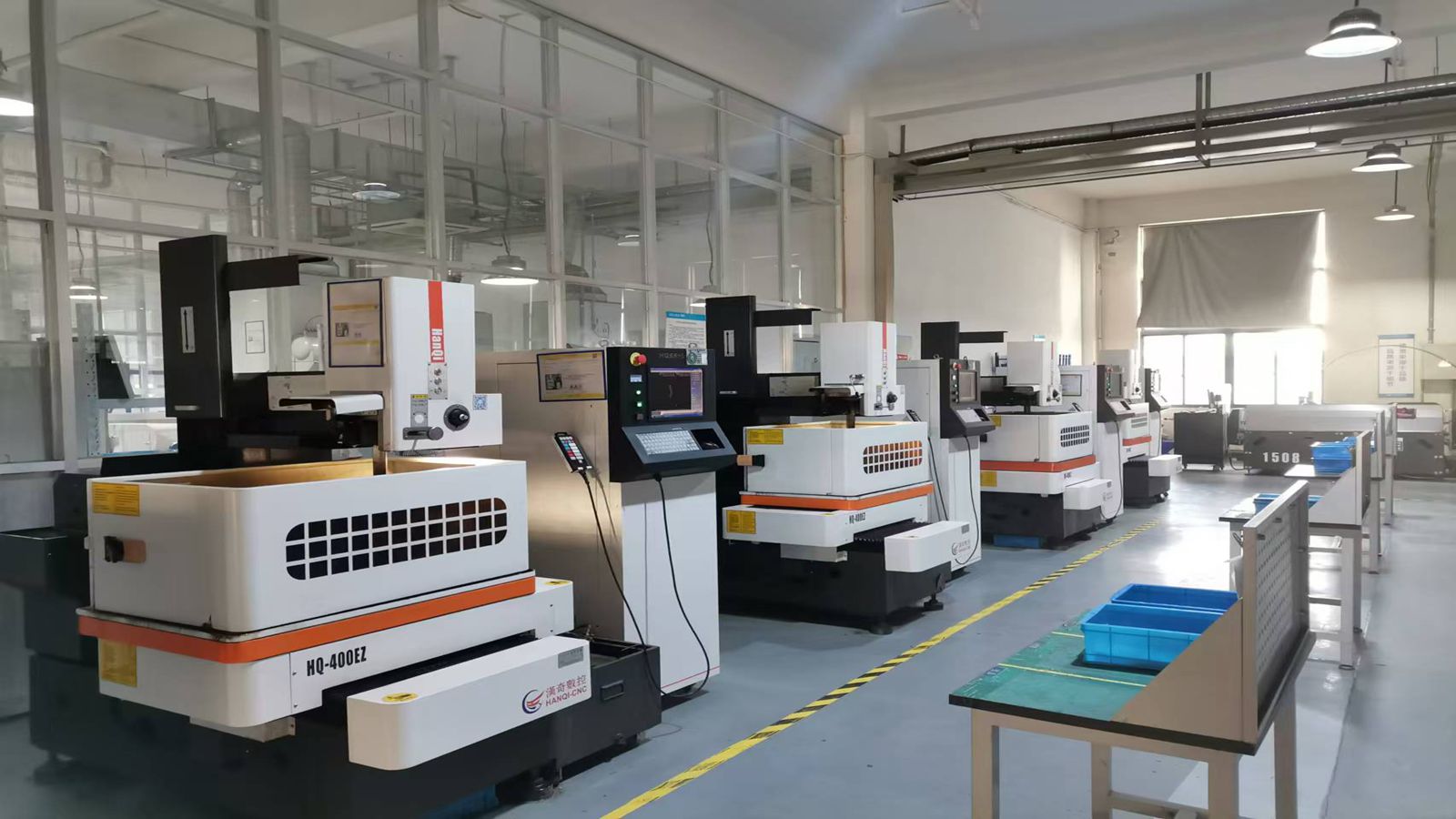
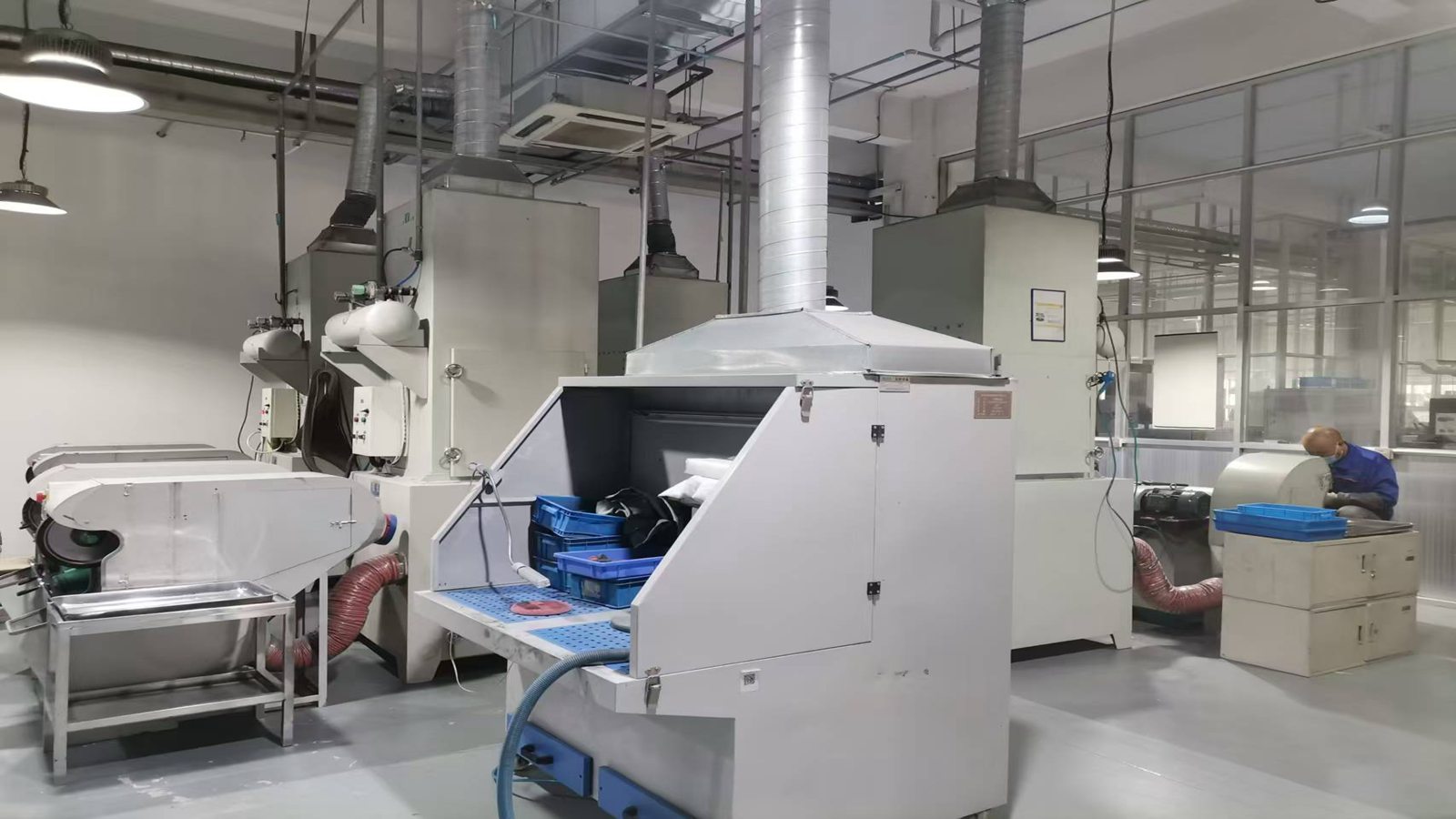
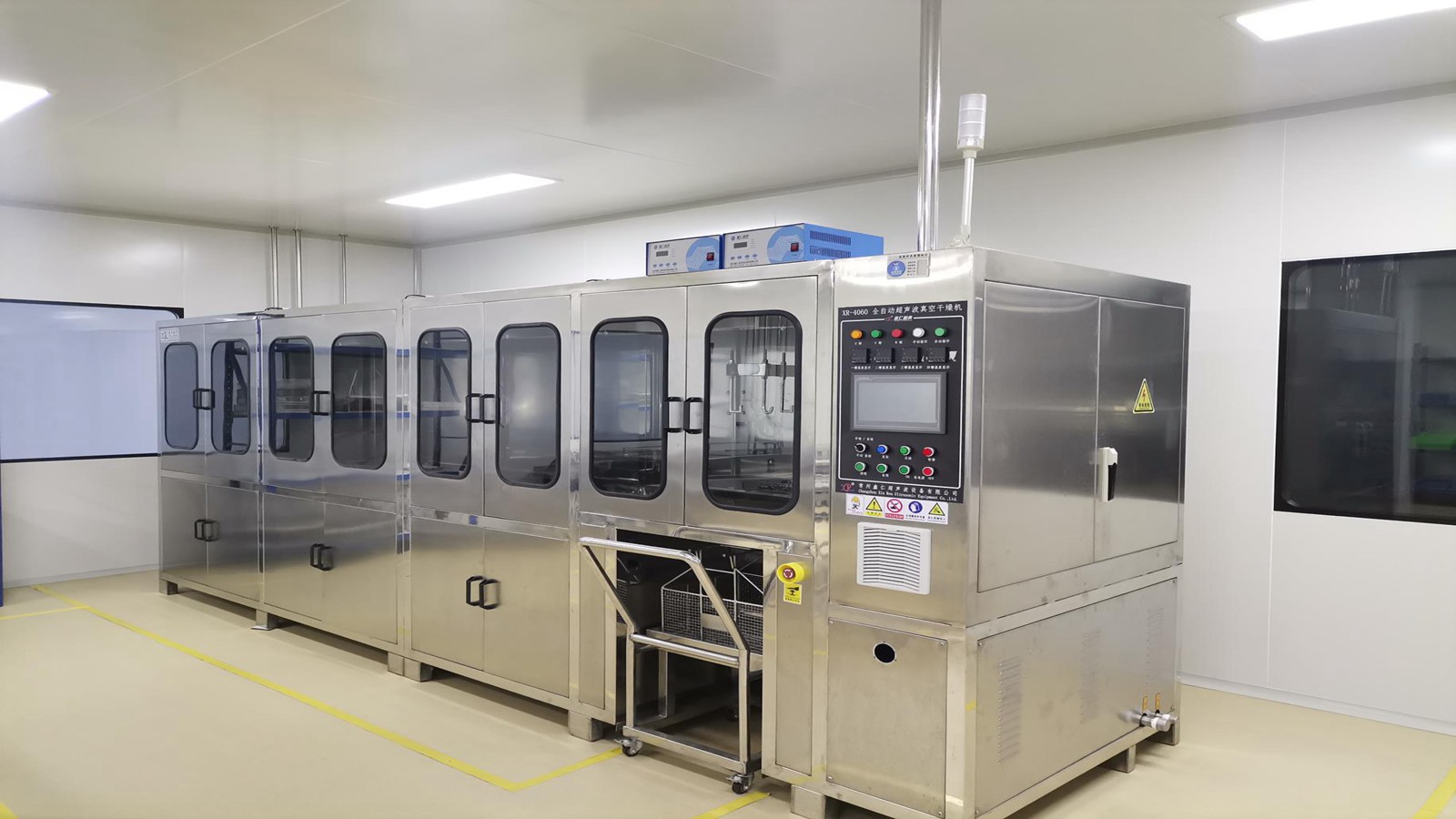
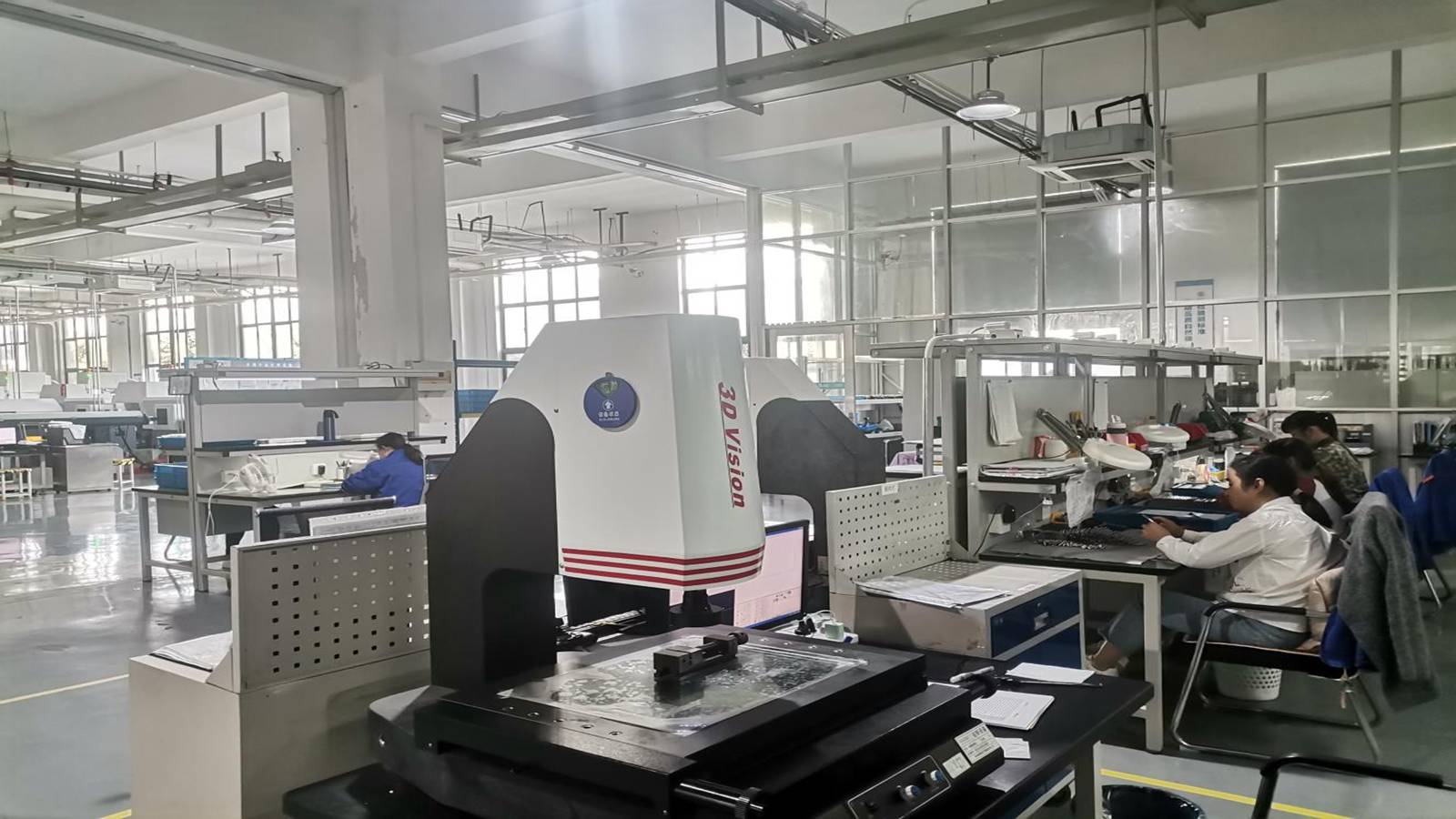
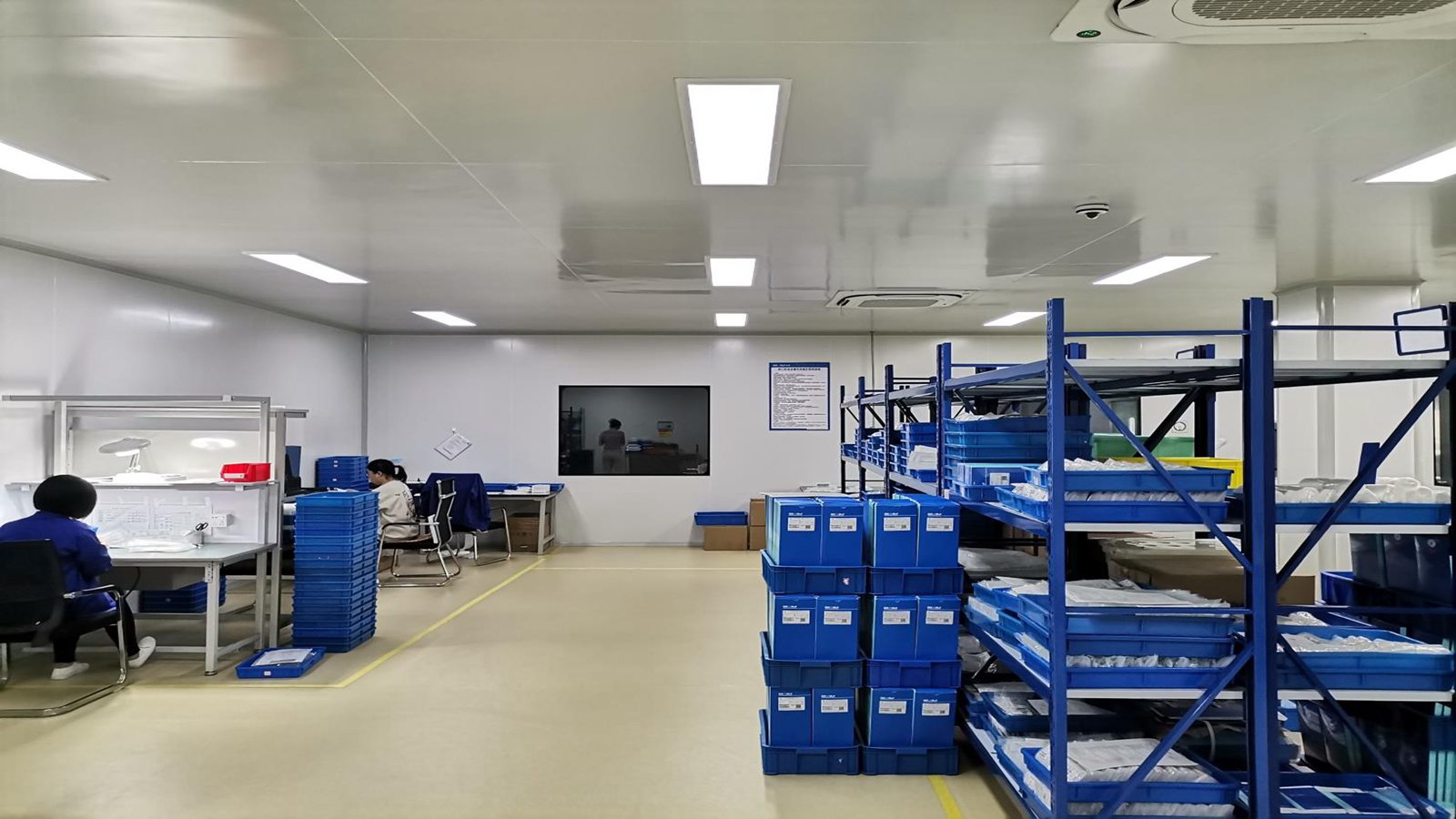
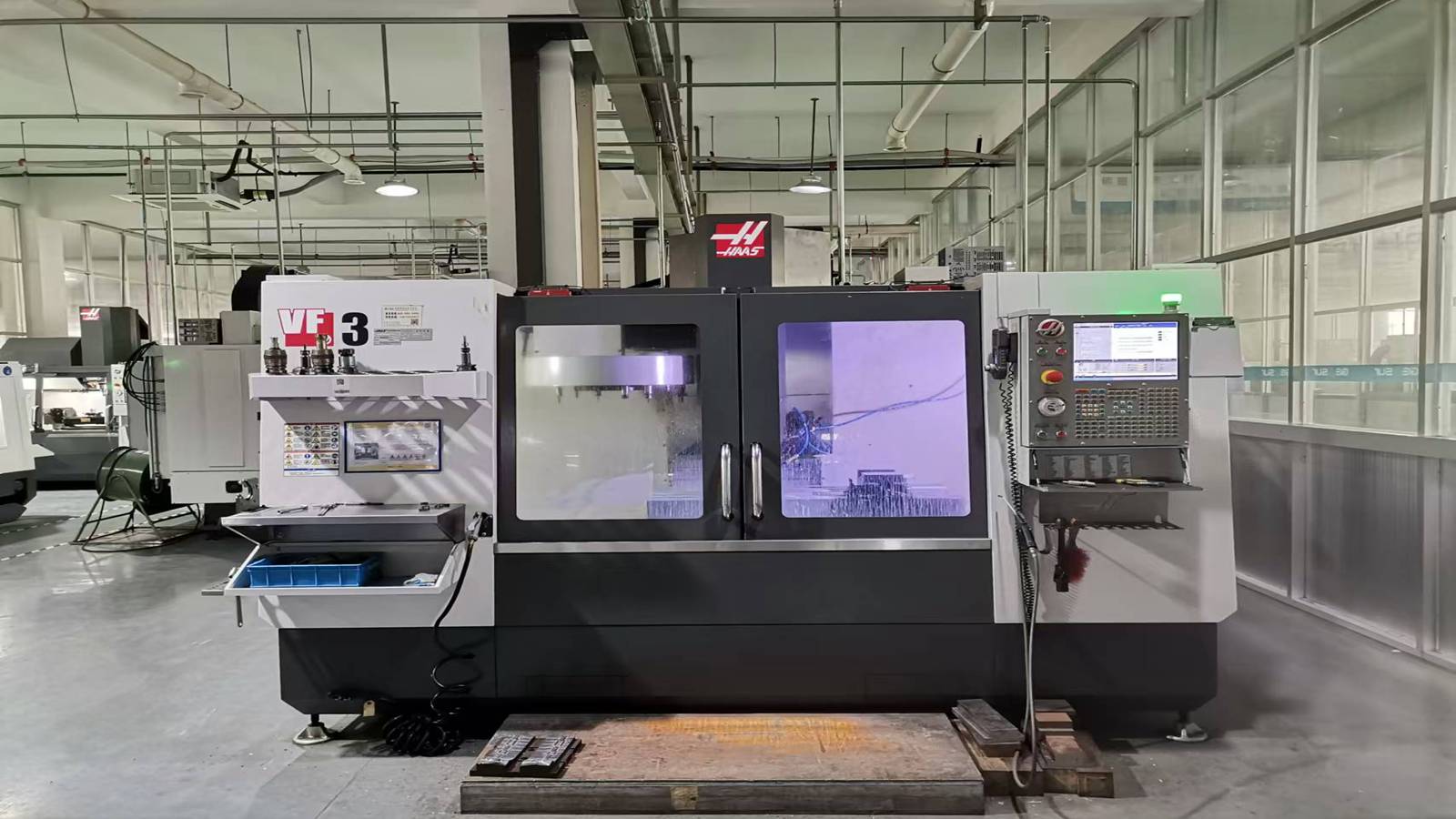
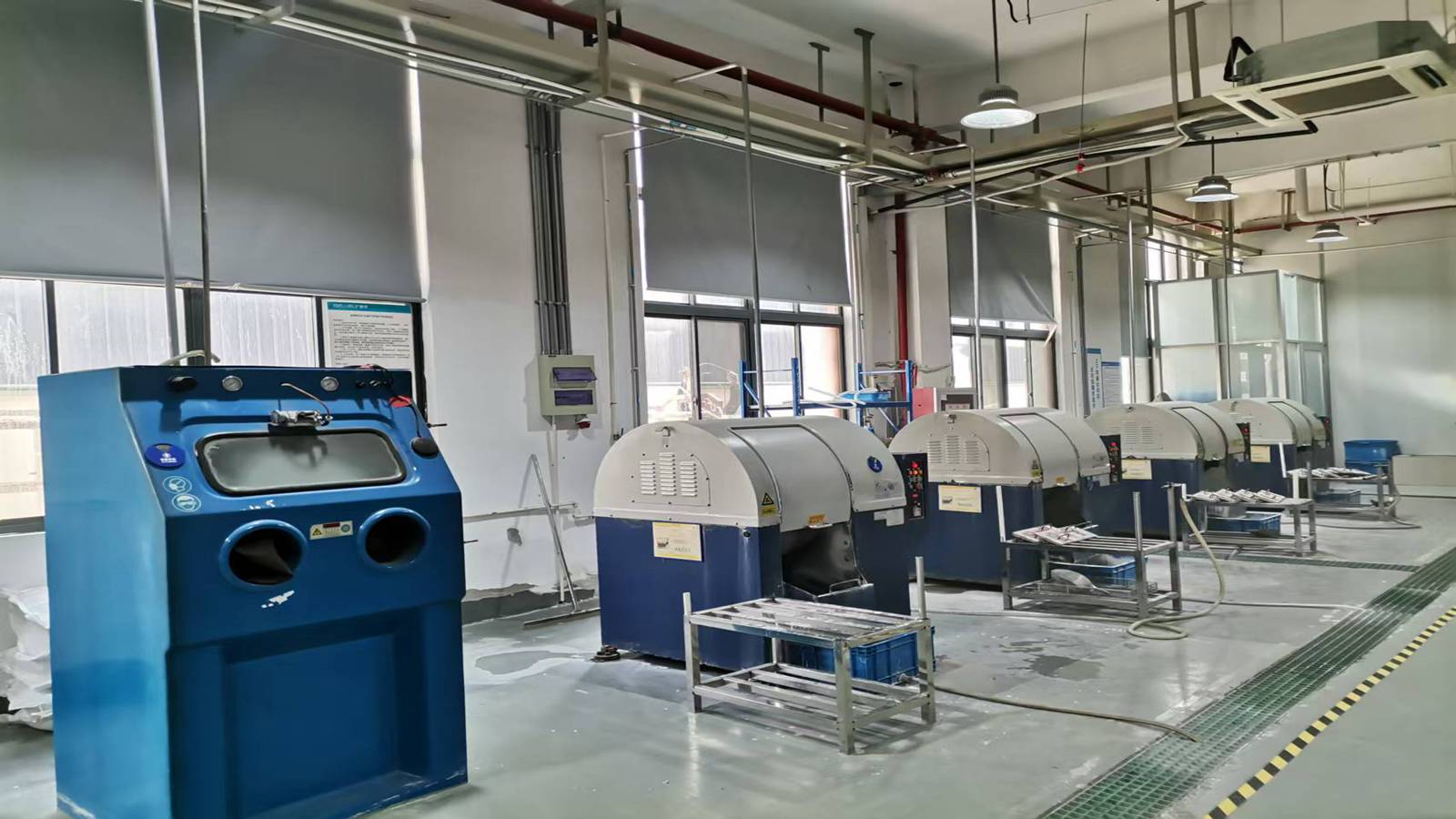
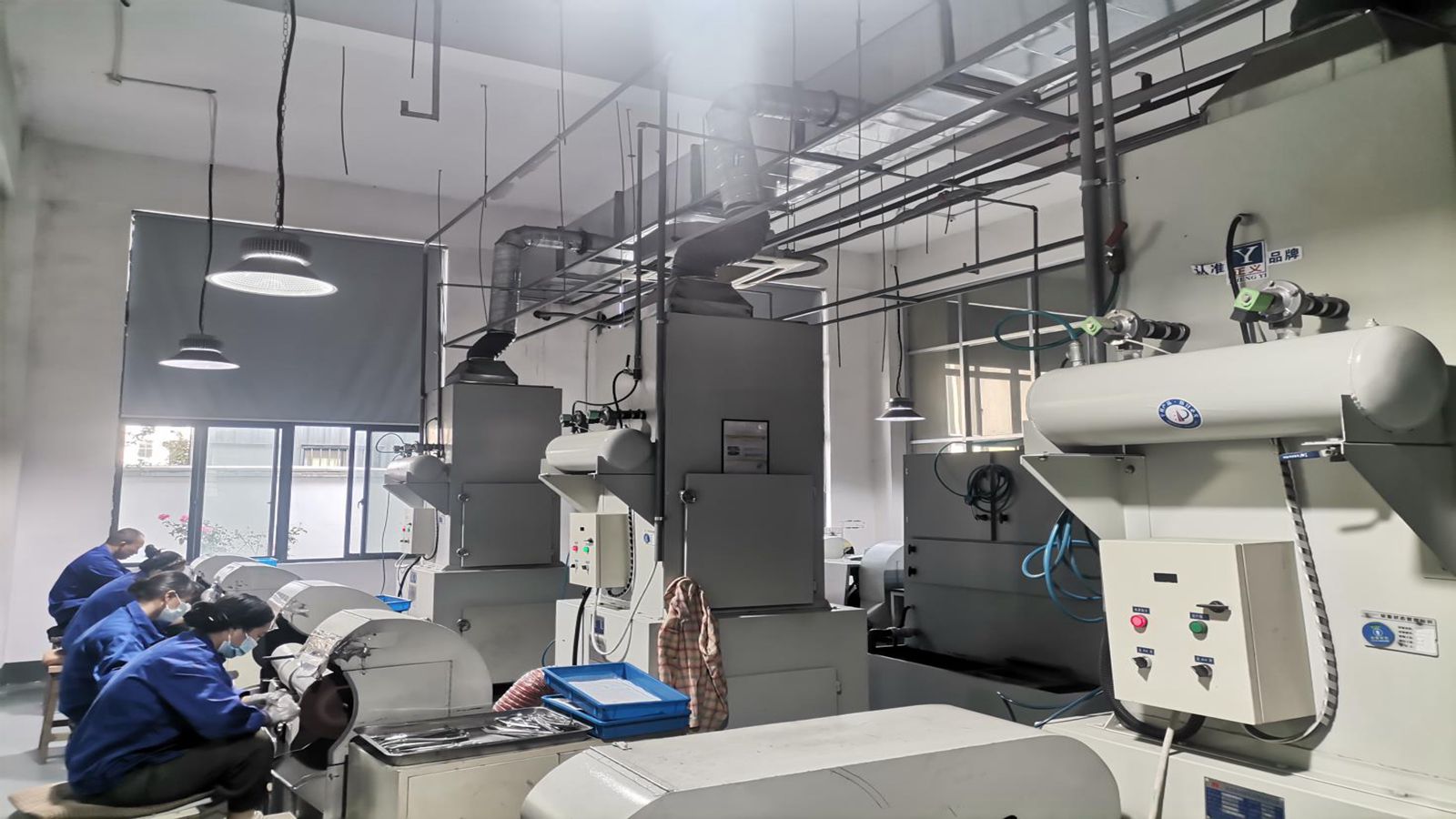
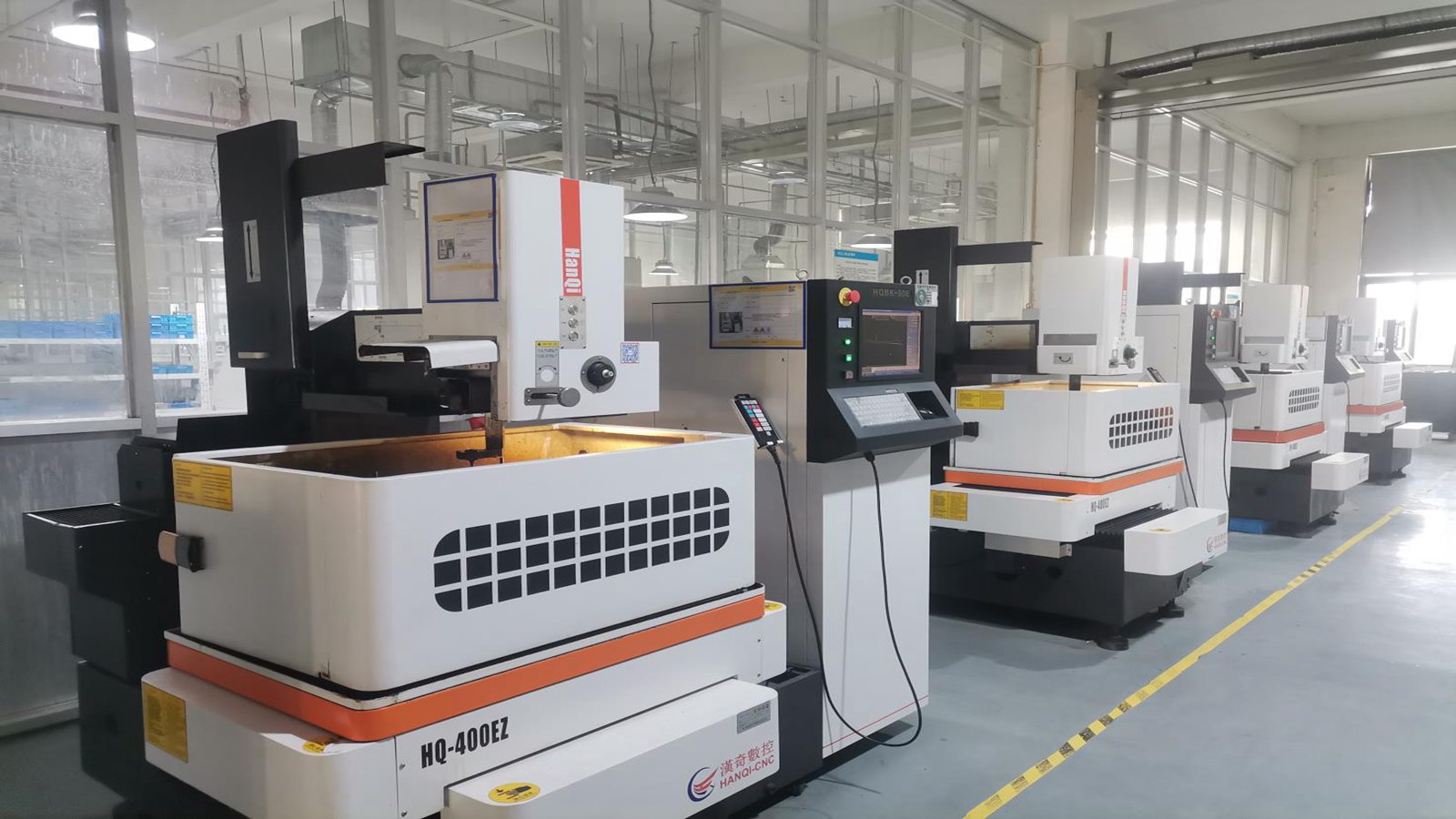
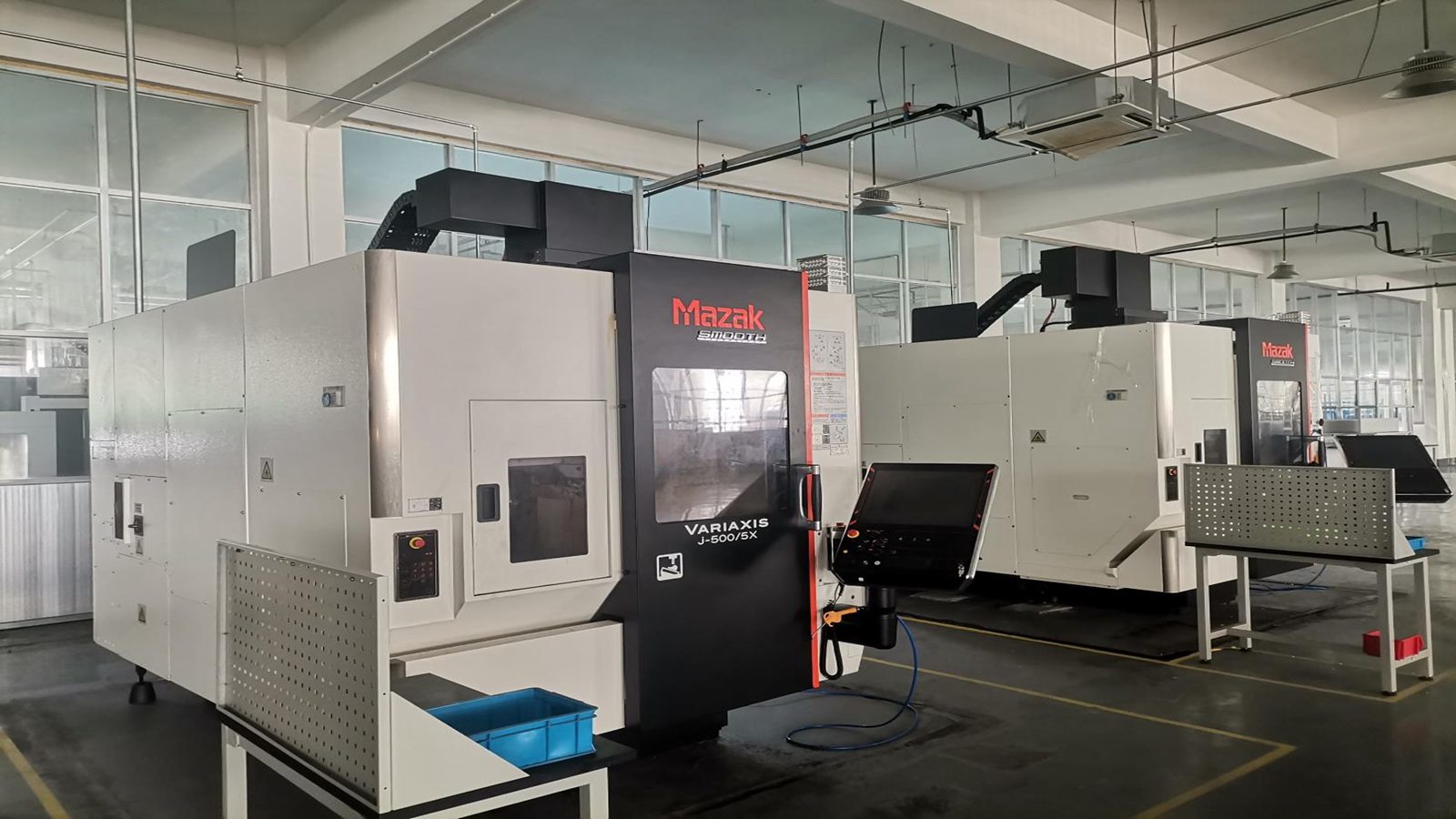
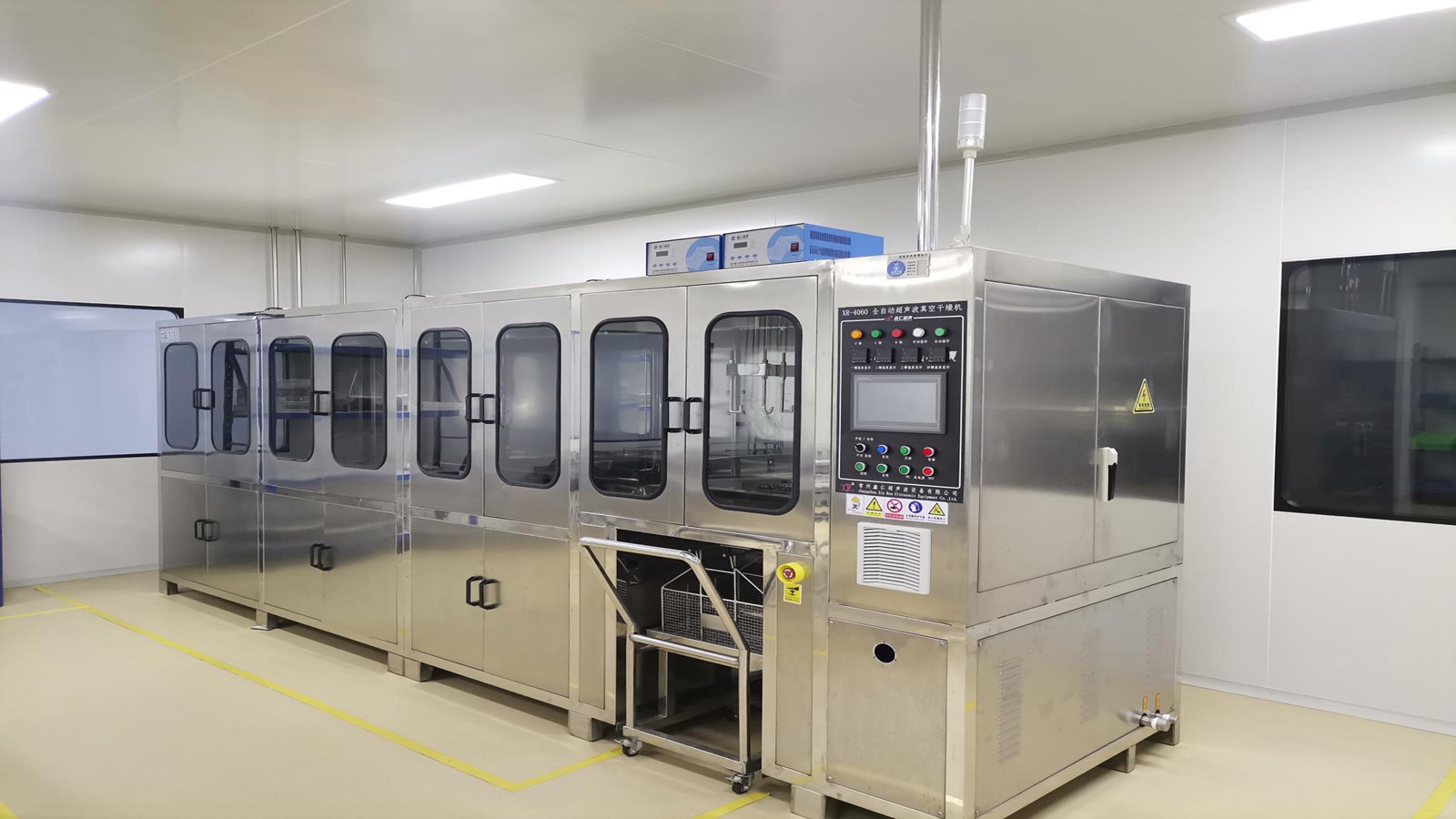
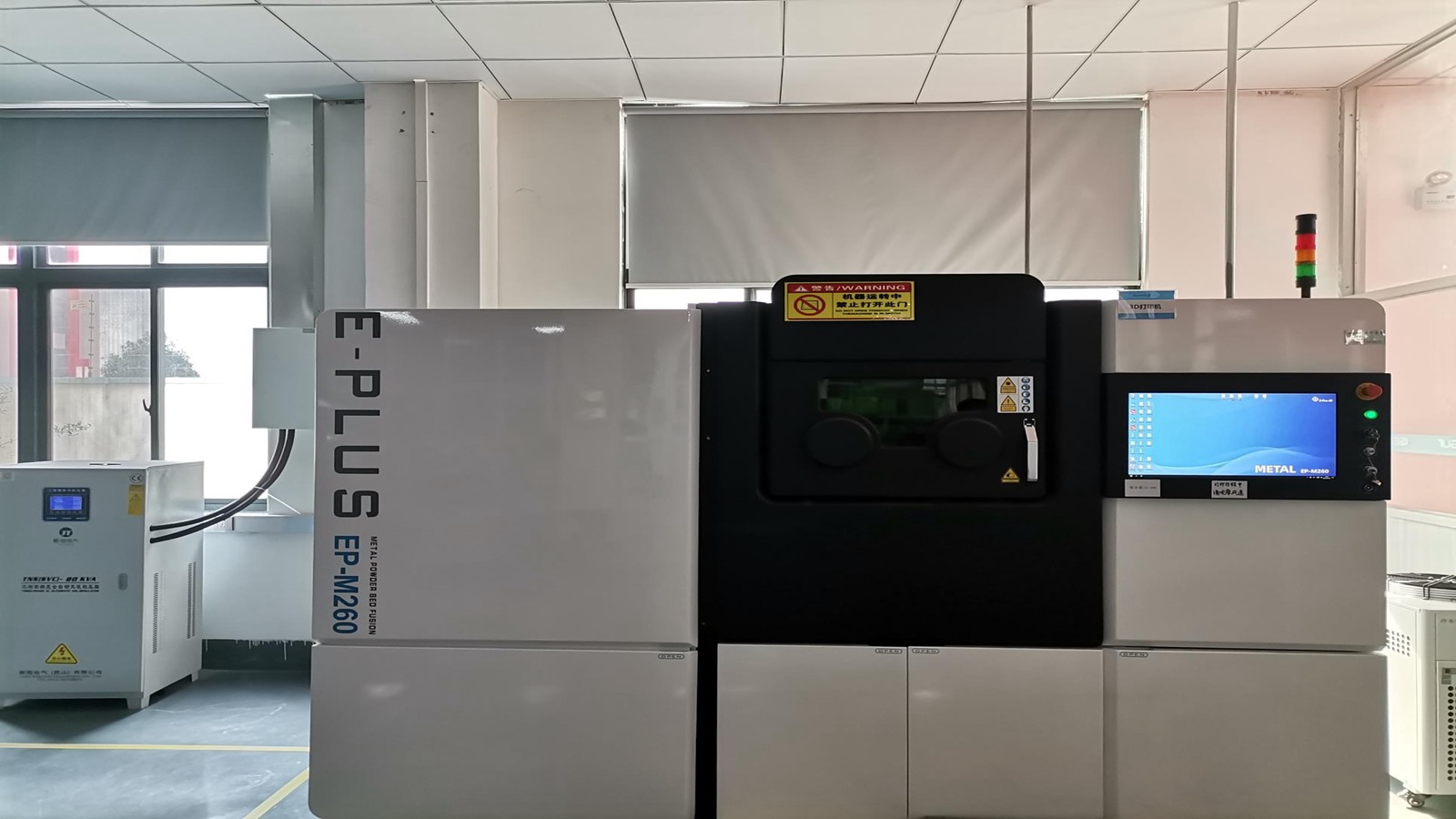
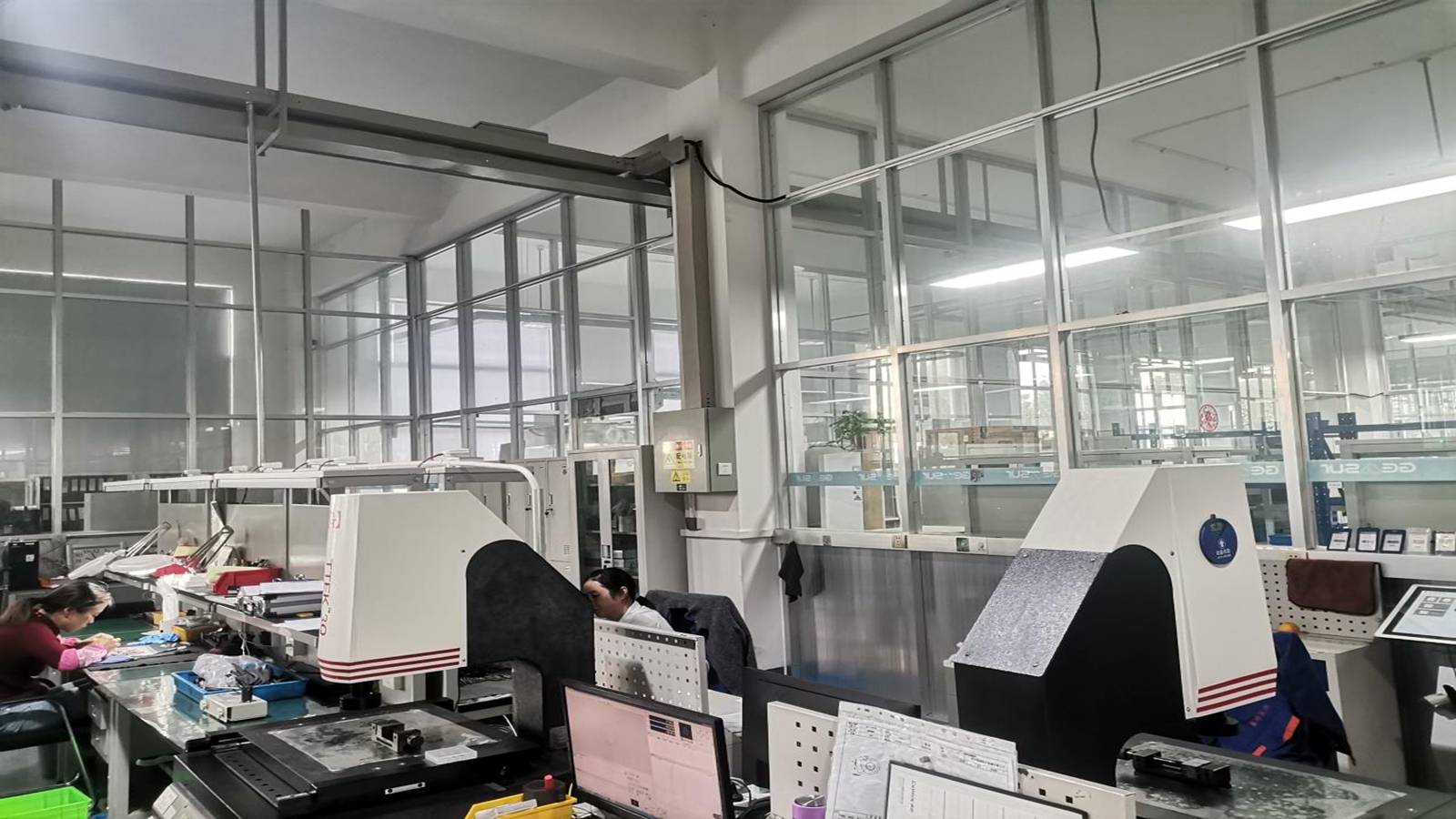
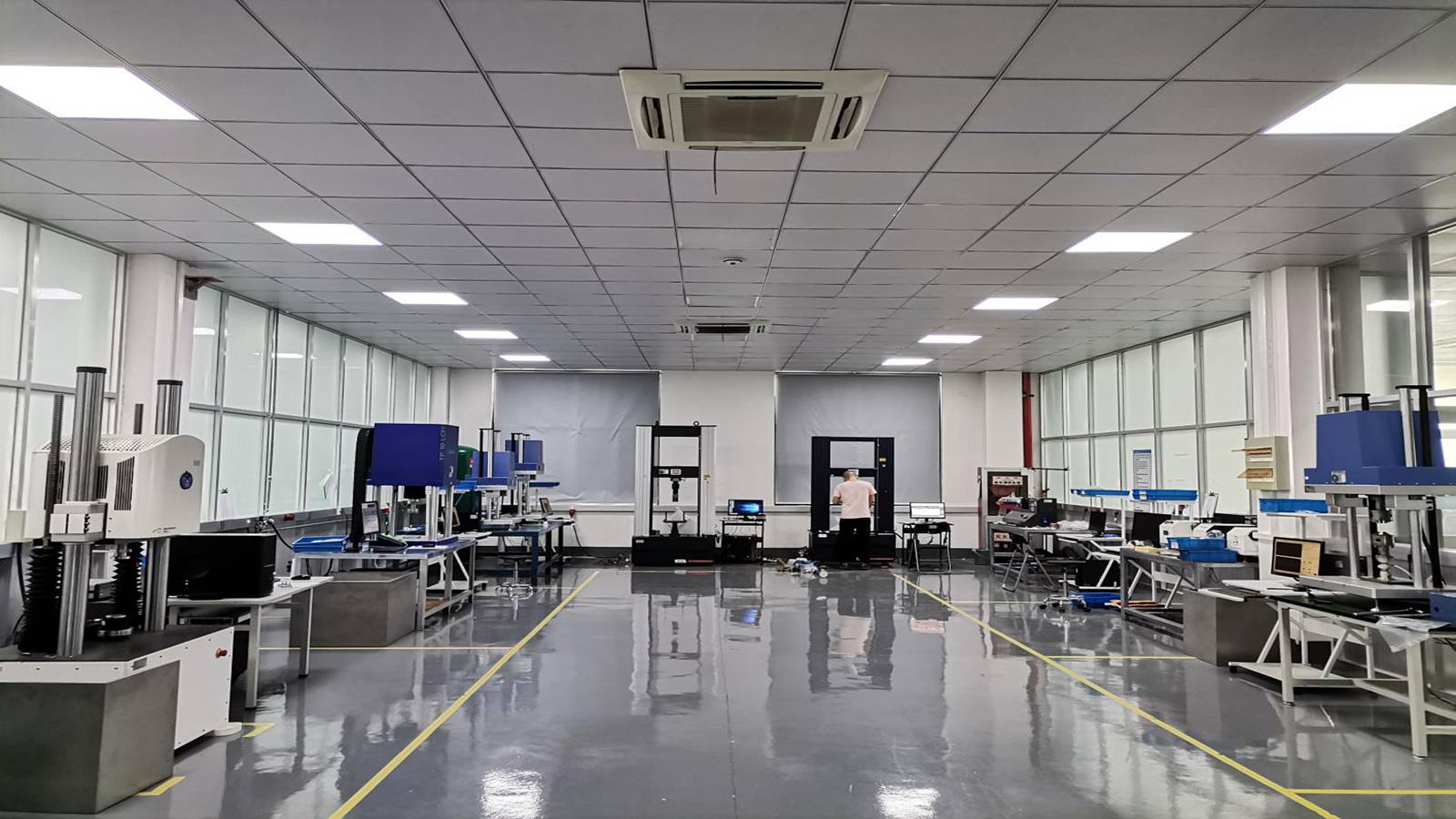
Founded in 2015, HBM Medical Apparatus And Instruments Co., Ltd. has established itself as a leading force in orthopedic device innovation. Operating from a state-of-the-art 30,343 square meter manufacturing complex, we integrate advanced metallurgical engineering, precision CNC machining, and rigorous quality assurance protocols to produce world-class joint reconstruction and trauma systems.
Our dedicated R&D division, comprising 31 elite engineers (including 1 Doctorate and 11 Postgraduate researchers), continuously pushes the boundaries of implant design, launching over 25 innovative products annually. With a robust global sales footprint and a commitment to clinical excellence, HBM Medical is the trusted partner for hospitals, distributors, and OEM brands worldwide.
How HBM Medical addresses regulatory compliance, raw material traceability, and supply chain resilience for international distributors.
The transition from the Medical Device Directive (MDD) to the Medical Device Regulation (MDR 2017/745) in Europe has fundamentally altered the landscape for orthopedic procurement. Many manufacturers have struggled to meet the heightened demands for clinical data, post-market surveillance, and technical documentation. HBM Medical has proactively aligned its entire manufacturing and quality management systems to meet these stringent requirements, securing dual CE Certifications (EPT 0477.MDR.25/5905 & EPT 0477.MDR.25/5973) alongside MDSAP and ISO 13485 accreditations.
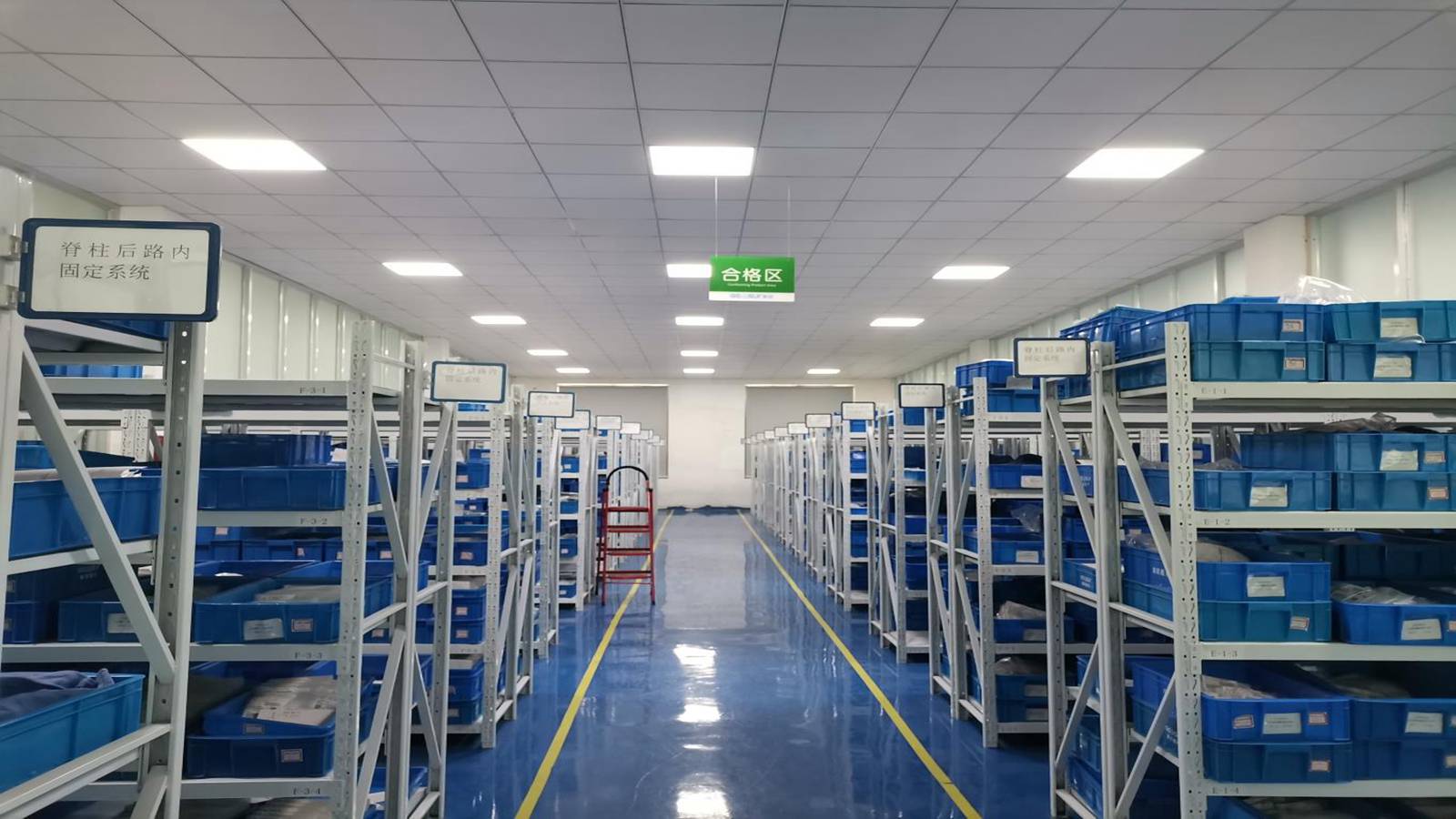
In orthopedic implant manufacturing, material integrity is non-negotiable. HBM Medical utilizes only medical-grade titanium alloys (Ti-6Al-4V ELI) and cobalt-chromium-molybdenum (Co-Cr-Mo) alloys sourced from certified global suppliers. Every batch of raw material undergoes comprehensive spectroscopic analysis, mechanical testing, and metallographic evaluation. We guarantee 100% raw material traceability, providing our global partners with complete peace of mind and absolute compliance with local regulatory bodies.
Recognizing that different markets have unique clinical preferences and anatomical variations, HBM Medical offers extensive customization capabilities. Backed by 12 highly automated production lines and 120 advanced manufacturing machines, we provide flexible OEM/ODM services, including sample processing, graphic-based design modification, and custom implant geometries tailored to specific regional demographics.



Pioneering the next generation of joint reconstruction through surface engineering and advanced biomaterials.
The future of cemented hip arthroplasty lies in the optimization of the implant surface to enhance the mechanical interlocking with PMMA cement while minimizing wear at the articulating joint interface. HBM Medical's R&D roadmap focuses on three primary pillars:
By utilizing state-of-the-art laser texturing technologies, we are developing micro-grooved and satin-finished femoral stems. These controlled micro-topographies increase the surface area contact with bone cement, significantly enhancing shear strength and reducing the risk of aseptic loosening at the cement-implant interface.
In collaboration with leading metallurgical research institutes, HBM is refining its Cobalt-Chromium-Molybdenum (CoCrMo) alloy formulations. Combined with highly cross-linked polyethylene (XLPE) liners infused with Vitamin E, our articulation systems are engineered to reduce wear debris generation by up to 90%, virtually eliminating osteolysis-induced implant failure.
We are actively developing digital preoperative planning software that utilizes AI algorithms to analyze patient CT scans. This technology allows surgeons to select the optimal cemented stem size and geometry, predicting cement mantle thickness and distribution prior to entering the operating room.
Expert clinical and commercial insights regarding cemented hip prostheses and global procurement.
Explore our comprehensive portfolio of high-performance surgical systems designed for optimal clinical outcomes.
 HBM Medical