How to Identify Key Indicators for High Quality Orthopedic Implants?

Time:2026-06-13 Author:Madeline
0%

Identifying high-quality orthopedic implants is crucial for successful patient outcomes. Dr. John Smith, an expert in orthopedic surgery, emphasizes, “The right indicators can make all the difference.” This statement underlines the significance of understanding what defines quality in orthopedic implants.

What are the key indicators for high-quality orthopedic implants? This question is not merely academic. It has real implications for patient safety and recovery. Factors like material composition, strength, and design all play pivotal roles. For instance, titanium alloys are often preferred due to their biocompatibility and strength. Yet, it’s not enough to just choose a strong material; the manufacturing process must adhere to strict standards.

Moreover, testing methodologies such as fatigue and wear resistance assessments are essential. These tests reveal how implants will perform under stress. However, it’s vital to remember that not all manufacturers maintain the same standards. Some may cut corners, leading to potential failures. This reality highlights the importance of thorough evaluation in selecting high-quality orthopedic implants.
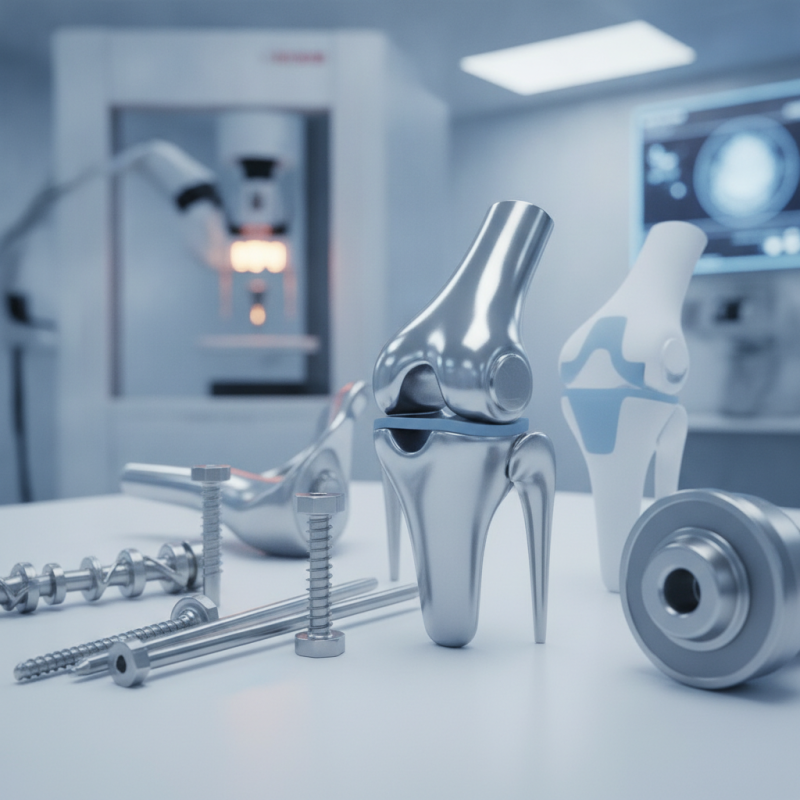
How to Identify Key Indicators for High Quality Orthopedic Implants?

Understanding the Importance of Quality Indicators in Orthopedic Implants

In orthopedic surgery, quality indicators play a pivotal role in ensuring successful outcomes. These indicators help healthcare professionals evaluate the performance of implants. They influence patient satisfaction, recovery time, and overall health. Understanding these indicators is essential for both surgeons and patients.

Tips for identifying quality indicators include focusing on implant longevity and failure rates. High-quality implants should demonstrate durability over time. Look for studies or reports that assess the long-term performance of these devices. Another crucial factor is biocompatibility. Implants should minimize adverse reactions in the body. Evaluate the materials used in the construction of the implant.

Patient feedback is vital, too. Experiences shared through case studies can provide insights into how different implants perform in real-life scenarios. Engaging in open discussions with orthopedic professionals can shed light on different indicators. Seek out forums or groups where patients share their stories. This personal touch adds depth to the understanding of implant quality. Listening to a range of perspectives can reveal potential flaws in perceived "ideal" implants.

Key Indicators for High Quality Orthopedic Implants

Key Material Properties for High Performance Orthopedic Implants

Orthopedic implants are crucial for successful surgical outcomes. Identifying key material properties can enhance their performance significantly. Biocompatibility is essential. Materials must not trigger adverse reactions in the body. Titanium and its alloys are common choices due to their excellent compatibility and strength.

Another vital factor is mechanical strength. Implants must withstand forces during normal activities. High tensile strength and toughness improve longevity. Additionally, wear resistance is key to prevent debris that might cause inflammation. Understanding these properties ensures that implants can endure daily stresses.

Tips:

  • Consider both short-term and long-term impacts of material choices.
  • Evaluate the trade-off between strength and flexibility.
  • Always consult updated research on material innovations.

The choice of coatings also plays a significant role. Surface treatments enhance integration with bone. Hydrophilic coatings promote better cell attachment, leading to faster healing. While advancements continue, some areas require further exploration. For example, how different environments affect implant longevity is still under investigation.

The Role of Design and Engineering in Implant Quality Assessment

Design and engineering play a crucial role in the quality assessment of orthopedic implants. The right design can enhance the functionality and longevity of an implant. Engineers must consider material fatigue, load-bearing capabilities, and biological compatibility. Each of these factors directly impacts the performance of the implant in real-world scenarios.

Prototyping and testing are essential steps in the design phase. Engineers often create multiple iterations of an implant design. Each version undergoes rigorous testing to identify potential weaknesses. This cycle allows teams to refine designs based on empirical data. However, even with advanced technologies, some designs may still fall short. Understanding the reasons behind these failures is key to future improvements.

Collaboration among specialists significantly boosts the quality assessment process. Engineers need input from clinicians to grasp real-world implant performance. Feedback helps to shape future designs. Yet, achieving this collaboration can pose challenges. Miscommunication or differing priorities may hinder the process. Continuous dialogue is necessary to bridge these gaps and ensure that the implants meet the highest quality standards.

Evaluating Manufacturing Processes for Consistency and Precision

Evaluating manufacturing processes in orthopedic implant production is crucial for ensuring high quality. Consistency and precision are key indicators that can significantly impact patient outcomes. Every step, from material selection to final machining, needs careful oversight.

Advanced techniques, such as computer-aided design (CAD), help in designing implants that fit precisely. However, reliance on technology can sometimes lead to overconfidence. Regular inspections and audits are necessary to prevent errors. A quality control team should continuously monitor production, checking for deviations in specifications. Small inconsistencies can lead to larger issues later.

In addition, the choice of materials is not straightforward. Different alloys and polymers may behave unpredictably. The manufacturing process can alter their properties. Therefore, testing for biocompatibility and mechanical strength is essential. Too often, companies focus on production speed. This can compromise the integrity of the final product. Continuous improvement techniques can help address these challenges. Analysis of feedback and results can guide adjustments, reinforcing the commitment to quality.

Clinical Performance Metrics as Indicators of Implant Success

Clinical performance metrics play a critical role in assessing the success of orthopedic implants. These metrics include implant longevity, patient satisfaction, and complication rates. Monitoring these indicators helps healthcare professionals gauge the effectiveness of different implants. Each metric offers insights into how well an implant performs in real-world settings.

Patient-reported outcomes are particularly valuable. They provide an understanding of pain levels and functional recovery post-surgery. High satisfaction rates often correlate with better clinical outcomes. Complications can include infection or implant failure, which should be tracked meticulously. This data is essential for improving implant design and patient care.

Reflection is necessary in this field. Not all metrics may reflect true implant performance. Some indicators may lack patient context or differ across demographics. There’s a need for ongoing research and adaptation in measurement practices. Engaging with these elements of clinical performance allows for a more comprehensive understanding of what defines a successful orthopedic implant.

FAQS

: What is biocompatibility in orthopedic implants?

: Biocompatibility ensures materials do not provoke adverse reactions in the body. It is crucial for successful outcomes.

Why is mechanical strength important for implants?

Implants need to withstand everyday forces. High strength and toughness extend the lifespan of these devices.

How does wear resistance affect orthopedic implants?

Good wear resistance minimizes debris formation. This helps prevent inflammation and promotes better health outcomes.

What role do coatings play in orthopedic implants?

Coatings improve bone integration and cell attachment. Hydrophilic options facilitate faster healing.

Why is design critical in implant quality assessment?

The right design enhances functionality and longevity. Engineers assess factors like fatigue and load-bearing strength.

What is the purpose of prototyping in implant design?

Prototyping allows for testing various designs. This process helps identify weaknesses for further refinement.

How does collaboration benefit implant quality assessment?

Collaboration provides input from clinicians. Their feedback shapes designs but can be challenging due to miscommunication.

What ongoing challenges exist in implant material research?

Some aspects, like environmental effects on longevity, require more exploration. Continuous research is essential for improvement.

Why is flexibility important in implant materials?

Flexibility enhances comfort and adaptability. However, finding the right balance with strength is often difficult.

What is a common issue with advanced implant designs?

Some designs may still fail despite advanced technology. Understanding failure reasons is vital for future enhancements.

Conclusion

The article "How to Identify Key Indicators for High Quality Orthopedic Implants" highlights the essential factors that contribute to the success and reliability of orthopedic implants. Understanding the importance of quality indicators is crucial, as these metrics ensure that the implants meet the required performance standards. Key material properties, such as biocompatibility and fatigue resistance, play a significant role in the performance of these devices.

Additionally, the design and engineering aspects are critical for assessing implant quality, ensuring that they function effectively within the body. Evaluating manufacturing processes is vital to guarantee consistency and precision, ultimately influencing the overall success of the implants. Finally, clinical performance metrics serve as concrete indicators of implant success, answering the question: what are the key indicators for high-quality orthopedic implants? These indicators collectively ensure that patients receive safe and effective treatment solutions.

Madeline

Madeline

Madeline is a dedicated marketing professional with a wealth of expertise in our company's core offerings. With a keen understanding of the industry, she brings a unique perspective to her role, consistently delivering high-quality content that highlights the superior aspects of our products. As......