How to Ensure Hygiene Control in Orthopedic Implants Production?

Time:2026-05-22 Author:Charlotte
0%

In the field of orthopedic implants production, hygiene control is paramount. Dr. Linda Carter, a renowned expert in biomedical engineering, emphasizes this by stating, "Maintaining hygiene is not just a protocol; it is the foundation of patient safety." The importance of hygiene cannot be overstated. Contaminated implants can lead to serious infections, extended hospital stays, and costly revisions.

Why is hygiene control important in orthopedic implants production? The production process involves multiple stages, from material selection to final assembly. Each step presents potential risks for contamination. Even minor lapses can jeopardize the quality of the implant. Manufacturers must adopt rigorous cleaning protocols and maintain a sterile environment.

Investing in hygiene control pays dividends in the long run. It not only enhances the durability of implants but also fosters trust among healthcare professionals. Patients rely on the integrity of these devices. Companies should continually assess and improve their hygiene practices. Reflection on past challenges can lead to better standards and innovation.
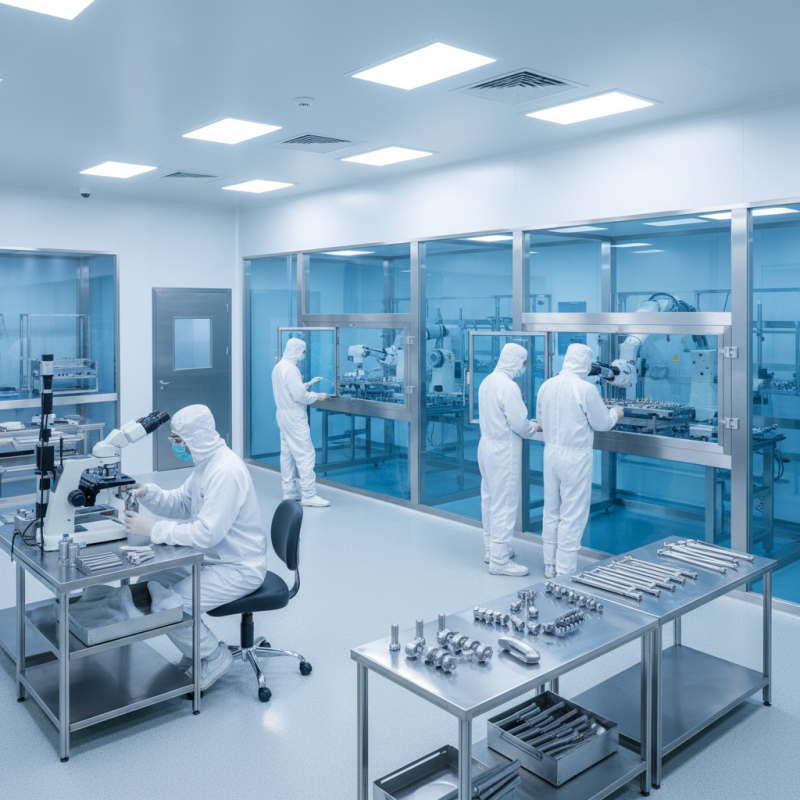
How to Ensure Hygiene Control in Orthopedic Implants Production?

Importance of Hygiene Control in Orthopedic Implants Production

Hygiene control in orthopedic implants production is critical. Contaminated implants can lead to severe complications, including infections. Ensuring cleanliness in the manufacturing environment can significantly reduce these risks.

One essential aspect is employee training. Workers must understand the importance of hygiene. Regular workshops can reinforce best practices. It’s vital to have stringent protocols for handwashing and gowning. Even small lapses can lead to contamination.

Another area to consider is equipment sterilization. Regular checks should be in place to ensure that all tools and machines are properly cleaned. Outdated procedures may need revisiting. Monitoring the air quality in manufacturing areas is also crucial. Microbial contamination can thrive in poorly maintained environments. Regular audits can help identify potential weaknesses in the system.

Hygiene Control in Orthopedic Implants Production

This chart illustrates the critical areas of hygiene control during orthopedic implants production. The data reflects the relative importance of various hygiene control measures in maintaining product safety and quality.

Key Contamination Sources in the Manufacturing Environment

The production of orthopedic implants requires rigorous hygiene control. Contamination can arise from various sources in the manufacturing environment. Airborne particles, machine lubrication, and operator handling are primary concerns. A report from the Journal of Medical Devices indicates that over 35% of implant failures are attributed to contamination during production.

Microbial intrusion is another significant risk. In a sterile environment, even minor breaches can lead to severe outcomes. Studies show bacteria like Staphylococcus aureus can survive on surfaces, complicating sterilization efforts. Clinical data reveals that infection rates can reach up to 4% in orthopedic procedures linked to contaminated implants.

Moreover, inadequate cleaning procedures can exacerbate these issues. Many facilities fall short in maintaining consistent cleaning protocols. Continuous training for staff and regular audits are essential. However, many manufacturers still struggle to implement these practices effectively. This gap reflects a broader challenge in the industry, highlighting the need for enhanced focus on hygiene control measures.

Standard Operating Procedures for Maintaining Sterile Conditions

Maintaining sterile conditions in orthopedic implant production is crucial for patient safety. Standard Operating Procedures (SOPs) play a vital role in ensuring hygiene control. Each step in the manufacturing process should be meticulously documented. Workers must follow strict protocols during cleanroom operations. A written SOP should detail cleaning schedules, gowning procedures, and sterilization methods.

Regular training sessions for staff can enhance adherence to sterile practices. Workers might overlook simple steps in the gowning process, leading to contamination risks. Even experienced employees need reminders about proper techniques. Equipment used in production must undergo routine validation. This reduces the likelihood of microbial contamination significantly.

Unexpected issues often arise in maintaining hygiene. For instance, unforeseen delays in sterilization can compromise protocols. It's essential to have contingency plans in place to address these challenges immediately. Regular audits of SOPs can highlight areas for improvement. Reflection on past incidents helps refine procedures and enhances overall effectiveness in hygiene control.

How to Ensure Hygiene Control in Orthopedic Implants Production?

Procedure Description Frequency Responsible Personnel
Cleanroom Protocol Ensure adherence to cleanroom standards including gowning procedures and regular monitoring. Daily Quality Control Team
Equipment Sterilization Regularly sterilize all equipment using validated methods to maintain sterility. Weekly Maintenance Team
Personnel Training Conduct training sessions on hygiene control and sterile handling techniques. Monthly HR and Compliance Officer
Environment Monitoring Monitor air quality and particle counts in production areas to ensure compliance. Bi-weekly Quality Assurance Team
Decontamination Procedures Follow specific decontamination protocols for tools and surfaces after production runs. After Each Run Production Staff

Monitoring and Validation Techniques for Hygiene Practices

Ensuring hygiene in orthopedic implants production is crucial. Monitoring hygiene practices involves various techniques that demand diligence and expertise. One effective method is regular environmental monitoring. Air quality, surface cleanliness, and microbial counts should be frequently checked. These measures help ensure that production areas remain contaminant-free. However, achieving this consistently can be challenging. Dust accumulation and unexpected microbial growth often occur, necessitating ongoing scrutiny.

Validation techniques play a vital role in confirming hygiene control. Establishing standard operating procedures is essential. These procedures should outline cleaning, sterilization, and handling protocols for all materials. Each step must be documented and assessed frequently. Random audits of processes can highlight gaps in adherence. It’s important to engage staff in building a culture of vigilance around hygiene. Training sessions should focus on practical applications and real-world scenarios, reinforcing the need for standards.

Data management is another component that cannot be overlooked. Keeping accurate records of monitoring activities enables trend analysis. This analysis helps identify patterns and areas for improvement. However, reliance on data alone can lead to complacency. Regular reviews and updates of protocols are necessary. The goal is to foster an adaptable hygiene strategy that evolves with new findings and technologies. Engaging all team members will signify the importance of hygiene in enhancing patient safety and product reliability.

Training and Awareness Programs for Staff on Hygiene Protocols

Training and awareness are crucial in maintaining hygiene during orthopedic implant production. Staff must understand hygiene protocols to minimize contamination risk. Regular training sessions can reinforce the importance of cleanliness. Hands-on demonstrations help staff visualize proper techniques.

Real-life examples often highlight gaps in employee knowledge. Sometimes, staff may overlook simple practices like handwashing. Brief discussions can address these oversights. Reminders about the importance of personal hygiene can create a more accountable environment.

Empowered employees are more likely to follow established protocols. Encouraging team discussions fosters a culture of continuous improvement. Regular assessments can identify areas needing attention. By reflecting on past mistakes, teams can develop effective strategies. This ongoing commitment to hygiene will ultimately enhance the quality of orthopedic implants.

FAQS

: Why is hygiene control important in orthopedic implants production?

: Hygiene control prevents contamination, reducing the risk of severe complications like infections.

What role does employee training play in hygiene?

Training reinforces hygiene importance. Regular workshops ensure workers are aware of best practices.

How often should equipment sterilization checks occur?

Equipment checks should be regular. This ensures all tools are properly cleaned and maintained.

What are common sources of contamination in the production environment?

Airborne particles, machine lubrication, and operator handling are primary contamination sources.

Why is maintaining cleanroom procedures challenging?

Many facilities fail to uphold cleaning protocols consistently. This leads to increased contamination risks.

How do SOPs contribute to sterile conditions?

SOPs document each manufacturing step. They ensure adherence to cleaning and sterilization protocols.

What happens if cleaning protocols are inadequate?

Inadequate cleaning can lead to higher contamination rates and potentially severe complications.

How can unexpected sterilization delays affect production?

Delays can compromise hygiene protocols. Contingency plans must be prepared to address these issues.

Are experienced workers immune to contamination risks?

No, even experienced workers can overlook simple steps. Continuous reminders are crucial for safety.

What can reflection on past incidents achieve?

Reflection helps identify weaknesses. It improves procedures and enhances hygiene control overall.

Conclusion

Hygiene control is paramount in orthopedic implants production to prevent contamination that can lead to severe infections and complications in patients. Understanding why hygiene control is important in orthopedic implants production allows manufacturers to recognize the critical nature of maintaining a clean environment. Key contamination sources, including airborne particles, equipment, and personnel, must be diligently monitored and controlled through established standard operating procedures.

To ensure sterile conditions, regular training and awareness programs for staff on hygiene protocols are essential. These programs help instill a culture of cleanliness and vigilance within the workforce. Additionally, effective monitoring and validation techniques are crucial for consistently evaluating hygiene practices, ensuring the integrity and safety of orthopedic implants throughout the manufacturing process.

Charlotte

Charlotte

Charlotte is a seasoned marketing professional with a deep understanding of the company's portfolio and a passion for elevating its presence in the market. With a keen eye for detail and a commitment to excellence, she ensures that our professional blog is regularly updated with insightful articles......