In 2026, the safety of orthopedic implants is a paramount concern for both patients and healthcare providers. Renowned orthopedic surgeon Dr. Mark Stevenson emphasizes, "Understanding what affects the safety of orthopedic implants is critical for patient outcomes." This highlights the ongoing dialogue in the medical community about the factors influencing implant safety.
Several elements contribute to the safety of these medical devices. Material composition, surgical techniques, and individual patient factors all play vital roles. For instance, the choice of materials can affect biocompatibility and resistance to wear. Additionally, surgical precision ensures proper alignment and reduces complications. However, questions remain about the long-term effects of newer materials and designs.
As we delve deeper into what affects the safety of orthopedic implants, it’s crucial to recognize areas needing improvement. The variability in patient responses to implants, often overlooked, warrants further investigation. Continuous monitoring and research are essential for enhancing safety standards. Ultimately, our goal is to ensure the best possible outcomes for patients reliant on orthopedic implants.
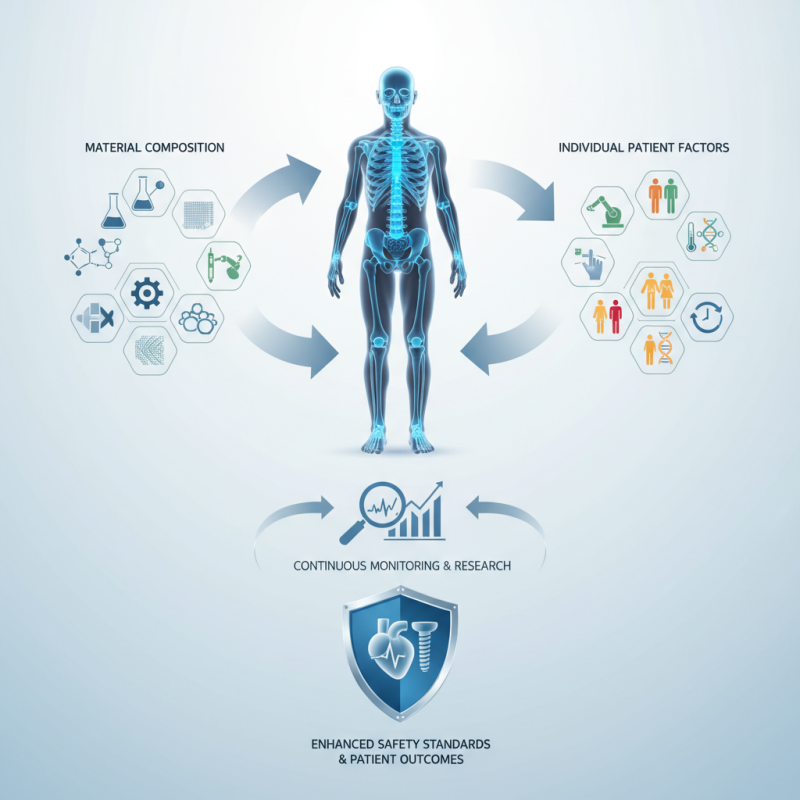
In 2026, the safety of orthopedic implants hinges significantly on biocompatibility. This essential factor determines how well implants integrate with surrounding tissues. The body must accept these materials without triggering adverse reactions. Various elements influence biocompatibility. The choice of materials used is paramount. Metals, ceramics, and polymers all exhibit unique properties, affecting how they interact with biological systems.
Surface characteristics also play a crucial role. A rough or smooth surface can dictate cell adhesion and growth. Researchers are exploring nano-coatings. These coatings can enhance compatibility by mimicking natural tissue. However, achieving the right balance of bioactivity and durability remains challenging. Not all coatings perform equally in different biological environments. Testing is often needed to ensure optimal outcomes.
Moreover, the patient’s individual biology affects overall success. Factors such as age, health status, and existing conditions can influence healing. Even the best materials may fail if a patient does not respond well. Continuous dialogue between researchers and clinicians is essential. It will highlight the need for tailored approaches to ensure safety and efficacy in orthopedic implants.
The choice of materials significantly shapes the safety and effectiveness of orthopedic implants. In 2026, various materials will be assessed for their biocompatibility, strength, and resistance to wear. Metals like titanium and cobalt-chromium offer excellent mechanical properties. However, their long-term integration in the body can be questionable. Concerns about corrosion and toxicity resonate among healthcare professionals.
In contrast, polymers such as polyethylene provide flexibility. Yet, these can wear over time, generating debris that triggers inflammatory responses. The balance between durability and body acceptance is crucial. Rarely, a chosen material might fail to bond well with bone, leading to implant loosening. This highlights the need for ongoing research and improvement.
Emerging materials, like bioactive ceramics, promise enhanced integration with biological tissues. What seems perfect today may not stay ideal. Each material's long-term effects require careful investigation. While innovations offer hope, the landscape of implant material safety continues to demand scrutiny. The interplay between material properties and patient outcomes invites continuous reflection and adaptation in orthopedic practices.
In 2026, the safety of orthopedic implants hinges on innovative coating technologies. These advancements aim to enhance implant longevity and biocompatibility. Improved coatings can reduce the risk of infection and promote better integration with bone tissue. Techniques like plasma spraying and chemical vapor deposition are being explored to create more effective barriers and surfaces for implants.
Tip: Always consult with a healthcare professional about implant materials to ensure they meet your individual needs. Patient preferences are vital in discussing safety features.
Despite these advancements, some challenges persist. The complexity of human anatomy means no single coating solution works for everyone. Variability in patient biology can affect how an implant interacts with its environment, leading to unexpected complications. Continuous research into personalized coatings is essential.
Tip: Patients should monitor their response to implants and report any unusual symptoms promptly. Early intervention can prevent serious outcomes.
In 2026, the safety of orthopedic implants will significantly depend on design innovations. Recent advancements focus on materials and geometries that enhance compatibility with human tissue. For instance, porous structures allow for better bone ingrowth, reducing the risk of loosening. These changes aim to improve implant longevity and patient outcomes.
However, not all innovations are foolproof. Some new materials may have unforeseen reactions in diverse populations. Testing protocols may not fully replicate real-life conditions. The interplay between design and biological response remains complex, making thorough evaluations essential. Continuous feedback from surgeons plays a vital role in refining these designs.
Innovative technologies, like 3D printing, are reshaping implant customization. Personalized implants can fit individual anatomies, potentially lowering failure rates. Despite these advances, the need for rigorous long-term studies persists. Designers and engineers must remain vigilant to address emerging challenges. Balancing innovation with safety is crucial for the future of orthopedic implants.
| Design Innovation | Impact on Safety | Risk Mitigation Factor | Material Type |
|---|---|---|---|
| 3D Printing Technology | Custom fit for patients | High | Titanium Alloy |
| Smart Implants | Real-time monitoring of implant health | Medium | Cobalt Chromium |
| Enhanced Surface Coatings | Reduced wear and tear | High | Polyether Ether Ketone (PEEK) |
| Bioactive Materials | Improved bone integration | High | Calcium Phosphate |
| Modular Designs | Easier adjustments and replacements | Medium | Stainless Steel |
In 2026, the safety of orthopedic implants will largely depend on regulatory standards. These regulations evolve continually to address new challenges. The dynamic nature of technology means that regular updates are essential for ensuring patient safety. Regulatory bodies must adapt to the latest research findings and technological advancements. This ongoing evolution raises questions about the adequacy of existing standards.
With the rise of personalized medicine, current guidelines may not suffice. Each patient's needs can vary significantly, leading to a demand for customized solutions. As a result, the regulatory framework must consider these differences. Experts in the field must engage in discussions about potential gaps in safety protocols. Reflection on past shortcomings is critical. What lessons can be learned from previous regulatory oversights? Addressing these issues will require collaboration among researchers, manufacturers, and regulators to create robust, updated standards.
Developing stringent testing methods for new materials and designs is vital. Reliable post-market surveillance systems can help catch issues early. These strategies are necessary to protect patients in the long term. The balance between innovation and safety will continue to be a crucial conversation as we advance toward 2026. As challenges arise, how adaptable will the regulatory landscape be?
: Innovations aim to enhance longevity and biocompatibility, reducing infection risks.
These methods create effective barriers and surfaces, improving implant interaction with bone tissue.
They can provide personalized guidance to ensure materials meet individual patient needs.
Human anatomy's complexity means no single coating fits all, leading to potential complications.
Improved materials and porous structures enhance compatibility, allowing better bone ingrowth.
Yes, diverse populations may react differently, highlighting the need for thorough testing.
Ensuring custom implants remain safe and effective requires rigorous evaluation over time.
They must adapt continuously to new technologies and research findings to ensure safety.
Their insights help refine designs, making them safer and more effective.
It helps catch issues early, ensuring ongoing patient safety in the long term.
The safety of orthopedic implants in 2026 is influenced by various critical factors, which collectively address the question of "What affects the safety of orthopedic implants." One significant aspect is biocompatibility, as the materials used must interact safely with the human body to prevent adverse reactions. Additionally, the careful selection of materials plays a crucial role in enhancing implant safety and performance, ensuring durability and resistance to wear.
Technological advancements in coating applications also contribute to enhanced protection against corrosion and potential infections, further improving implant longevity. Moreover, innovative design approaches are vital in mitigating the risks of implant failures by optimizing load distribution and enhancing overall stability. Finally, evolving regulatory standards ensure that safety protocols keep pace with these advancements, providing necessary oversight for the continuous improvement of orthopedic implant safety in 2026.

HBM Medical