How to Ensure Orthopedic Implants Comply with Medical Regulations?

Time:2026-05-31 Author:Mason
0%

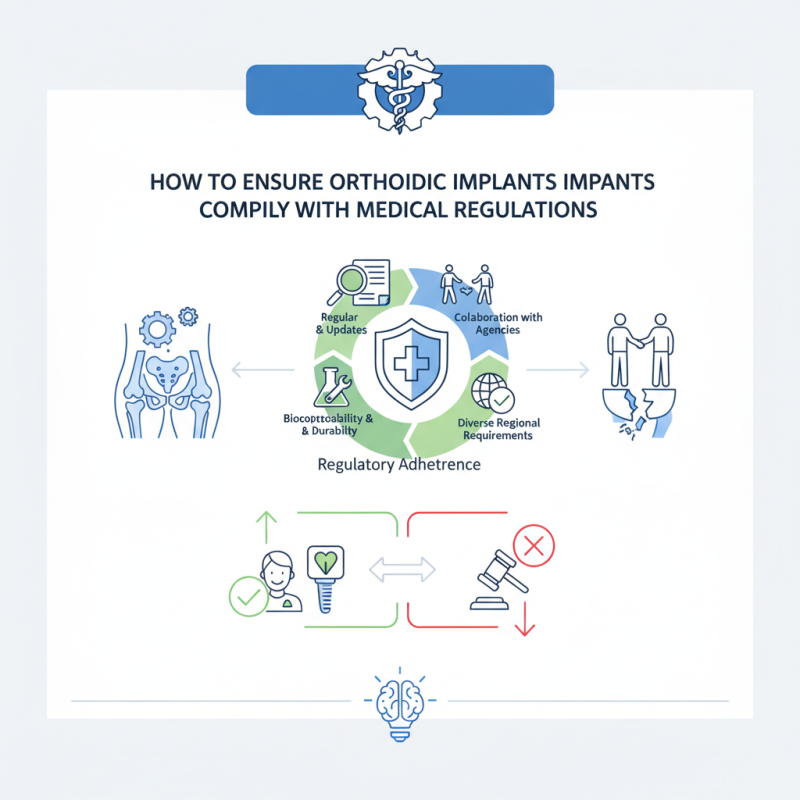
Ensuring orthopedic implants meet regional medical regulations is crucial for patient safety. Dr. Emily Chen, an expert in orthopedic device compliance, emphasizes, “Regulatory adherence is the backbone of implant safety.” With a landscape rich in diverse regional requirements, it can be challenging for manufacturers.

The path to compliance often feels overwhelming. Many companies find themselves grappling with intricate specifications. Each region may have unique standards, which adds to the complexity. Factors such as biocompatibility and durability must always be considered. Discrepancies can lead to serious consequences, including product recalls or legal issues.

Experts suggest a proactive approach to navigation. Regular audits and updates on regional regulations are important. Collaboration with regulatory agencies can also offer clarity. In this constantly evolving field, staying informed is not just beneficial—it's necessary. Understanding how to ensure orthopedic implants meet regional medical regulations is vital for successful product development.
How to Ensure Orthopedic Implants Comply with Medical Regulations?

Understanding Medical Regulations for Orthopedic Implants

Understanding medical regulations for orthopedic implants is crucial for manufacturers. These regulations ensure safety, efficacy, and quality of medical devices. In many regions, orthopedic implants must meet specific standards set by authoritative bodies. Compliance with these standards involves rigorous testing and documentation.

Manufacturers should conduct extensive clinical evaluations to demonstrate the effectiveness of their devices. Detailed reports must be prepared and submitted for regulatory review. Failing to provide adequate data may delay the approval process. Additionally, post-market surveillance is essential. Monitoring the performance of implants after they enter the market can highlight potential issues.

Manufacturers must stay informed about changing regulations. This requires continuous education and engagement with regulatory agencies. The landscape is evolving, and staying compliant is a challenge. Insufficient attention to these details can lead to serious ramifications for companies and patients alike. Reflecting on past experiences can help identify areas for improvement and better align with current regulatory expectations.

Key Compliance Standards for Orthopedic Implant Manufacturing

Ensuring that orthopedic implants comply with medical regulations is crucial for patient safety. Manufacturers must adhere to strict compliance standards to avoid potential adverse effects. According to the FDA, approximately 13% of orthopedic implants face post-market issues each year. This highlights the importance of meeting quality benchmarks throughout the manufacturing process.

Key compliance standards include ISO 13485, which focuses on quality management systems specifically for medical devices. Adopting these standards helps ensure consistency and efficacy. Another essential standard is ISO 14971, which addresses risk management. This standard emphasizes identifying potential risks before they cause harm. Manufacturers must implement thorough testing and validation processes to comply with these standards.

Tip: Regular internal audits can reveal gaps in compliance. Invest in ongoing training for staff, ensuring everyone understands these regulations. A well-informed team can enhance compliance efforts significantly. Always seek updated guidelines from regulatory bodies. This practice helps avoid lapses in quality and performance. Compliance is an ongoing journey, requiring vigilance and adaptation.

Steps for Documenting Compliance in Orthopedic Device Development

Documenting compliance in orthopedic device development is essential. Clear documentation builds trust and reliability in the medical community. Companies must create meticulous records that prove adherence to regulatory standards. This includes conducting risk assessments. Understanding potential hazards is critical. However, teams often overlook this step, leading to gaps in compliance.


The design history file (DHF) is a vital aspect of documentation. It should outline every stage of the device’s development. Many organizations fail to maintain up-to-date records. This can create confusion down the line. Testing and validation processes must be documented rigorously. Each test result should be clear and replicable. Yet, sometimes, data can be misinterpreted. This highlights the need for continuous training and awareness among team members.


Post-market surveillance is another key area of compliance. Collecting feedback after product release offers insights into real-world performance. A transparent approach to managing complaints can enhance safety. Some teams, however, may view this as a burden. This perspective can hinder improvement. Emphasizing an open culture encourages better compliance and innovation in orthopedic implant development.

Testing and Validation Methods for Regulatory Approval

When developing orthopedic implants, rigorous testing and validation are essential to meet medical regulations. Regulatory bodies, like the FDA, require comprehensive data to ensure safety and efficacy. These tests should encompass mechanical performance, biocompatibility, and long-term durability. Each step must be detailed and reproducible to build a solid foundation for approval.

Conducting pre-clinical studies is vital. These studies assess how the material behaves within biological systems. In vitro tests can provide early insights, but in vivo studies are equally important. It’s crucial to understand potential risks during these trials.

**Tips:** Create a robust documentation process. This helps track progress and anomalies. Engage multidisciplinary teams, including engineers and clinicians, for holistic evaluation. Regular audits can also ensure compliance with evolving regulations. Reflecting on past failures can lead to improved strategies in future projects. Adaptability is key in this complex landscape.

How to Ensure Orthopedic Implants Comply with Medical Regulations? - Testing and Validation Methods for Regulatory Approval

Testing Method Description Regulatory Compliance Common Standards
Mechanical Testing Evaluates the strength, durability, and performance of implants under load. ISO 14879, ASTM F468 ISO 10993-1
Biocompatibility Testing Assesses the safety and suitability of materials used in implants. ISO 10993 series ISO 10993-10
Sterility Testing Verifies that implants are free from viable microbes. ISO 11737 USP <661>
Wear Testing Simulates long-term usage conditions to assess wear rates of implant materials. ISO 14243 ASTM F732

Maintaining Compliance Post-Market for Orthopedic Implants

Compliance with medical regulations is critical for orthopedic implants. After the initial market approval, ongoing oversight is necessary. It's essential to monitor implant performance closely. This includes tracking complications and understanding real-world outcomes. Regular feedback from healthcare providers enhances product safety.

Tip: Establish a strong post-market surveillance plan. Robust data collection methods can help identify issues early. Engage surgeons and patients to gather insights.

Data analysis is key for maintaining compliance. Continuous monitoring can reveal patterns in device performance. Regularly review regulatory guidelines to ensure your processes align. Keep documentation updated, as changes can occur frequently.

Tip: Foster a culture of transparency. Encourage reporting of any adverse events. An open dialogue with stakeholders can improve trust and safety. Being proactive is crucial for compliance in the long run.

Compliance Levels of Orthopedic Implants Over Time

This bar chart illustrates the compliance levels of orthopedic implants over the years from 2019 to 2023. It shows a steady increase in compliance level, indicating a positive trend towards meeting medical regulations.

FAQS

: Why is compliance important in orthopedic implant manufacturing?

: Compliance ensures patient safety and reduces adverse effects. Approximately 13% of implants face issues annually.

What is ISO 13485?

ISO 13485 focuses on quality management systems for medical devices. It helps ensure consistency and efficacy.

How can risk management be addressed in compliance?

ISO 14971 emphasizes identifying risks before they cause harm. This requires thorough testing and validation.

What is the role of internal audits?

Internal audits reveal compliance gaps. Regular assessments can improve adherence to regulations and standards.

Why is documentation crucial in device development?

Clear documentation builds trust. Accurate records demonstrate adherence to regulatory standards and highlight potential hazards.

What is a design history file?

A design history file outlines every development stage of the device. Many organizations fail to keep it updated.

How important is post-market surveillance?

Post-market surveillance collects feedback on real-world performance. It enhances safety and encourages an open culture.

What challenges do teams face in compliance?

Teams may overlook risk assessments, leading to gaps. Data misinterpretation can also pose significant problems.

How can companies improve compliance awareness?

Ongoing training is essential. A well-informed team can enhance compliance efforts and adapt to changing regulations.

Why might some teams resist post-market feedback?

Some view it as a burden. This resistance can hinder improvements and innovative practices in development.

Conclusion

Ensuring that orthopedic implants meet regional medical regulations is crucial for manufacturers to guarantee patient safety and product efficacy. Understanding the specific medical regulations governing orthopedic devices is the first step, followed by adhering to key compliance standards throughout the manufacturing process. This includes maintaining meticulous documentation during device development, which demonstrates compliance with regulatory requirements.

Furthermore, rigorous testing and validation methods should be employed to secure regulatory approval before market entry. Post-market, it is essential to maintain compliance through continuous monitoring and quality assurance practices to adapt to any regulatory changes. By following these steps, manufacturers can confidently navigate the complexities of orthopedic implant compliance and uphold the highest standards in medical device safety and effectiveness.

Mason

Mason

Mason is a seasoned marketing professional with a deep expertise in the company's offerings and a passion for driving brand awareness. With a strong background in digital marketing strategies, he has an innate ability to connect with diverse audiences and effectively communicate product benefits.......