Top 5 Differences Between Domestic and Imported Orthopedic Implants?

Time:2026-05-28 Author:Isabella
0%

Understanding "What are the differences between domestic and imported orthopedic implants" is essential for healthcare professionals and patients alike. According to a recent report by the Orthopedic Implant Market Research Council, the market for orthopedic implants is projected to reach $60 billion by 2025, highlighting its significant impact. Dr. Emily Chen, a renowned orthopedic surgeon, emphasized, "The choice between domestic and imported implants can greatly influence surgical outcomes."

Domestic implants often adhere to strict regulatory standards, ensuring safety and efficacy. They are designed with a focus on local patient needs and anatomical considerations. In contrast, imported implants introduce a diverse range of technologies. They may offer advanced materials and innovative designs, spurring competition. However, there can be concerns regarding quality control and after-sales support.

Moreover, cost plays a pivotal role in decision-making. Domestic options may be pricier due to manufacturing practices. Imported implants may present a cost-effective choice but can carry hidden costs in long-term postoperative care. These differences underline the importance of thorough research and expert opinions when selecting the best implant for individual cases.
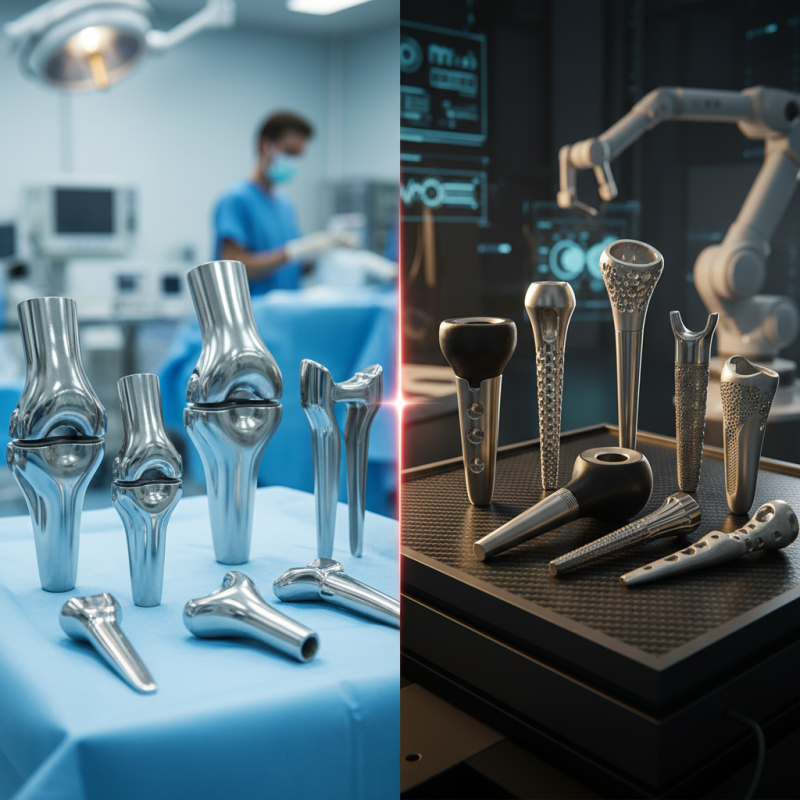
Top 5 Differences Between Domestic and Imported Orthopedic Implants?

Key Manufacturing Standards for Domestic and Imported Orthopedic Implants

When discussing manufacturing standards for orthopedic implants, domestic and imported products often show stark differences. In the U.S., the Food and Drug Administration (FDA) sets stringent guidelines. Manufacturers must comply with Good Manufacturing Practices (GMP) to ensure product safety. Reports indicate that up to 80% of U.S. devices require a premarket approval, ensuring extensive testing.

Conversely, imported orthopedic implants may not always meet these same standards. Many countries have different regulatory processes, and compliance can vary significantly. For instance, some studies reveal that 30% of foreign manufacturers do not adhere to the same rigorous testing protocols. Inadequate quality checks can lead to higher rates of complications in patients.

Furthermore, domestic implants often utilize advanced materials with proven biocompatibility. According to a recent publication, 60% of adverse outcomes in orthopedic surgery are related to material failure. Hence, understanding these manufacturing standards is crucial for medical professionals. Ensuring patient safety must remain a top priority in an increasingly global marketplace.

Materials Used: Comparing Domestic and Imported Orthopedic Implants

When it comes to orthopedic implants, the materials used can greatly influence patient outcomes. Domestic implants often utilize familiar alloys, such as titanium and stainless steel, which are widely tested. These materials have known mechanical properties and biocompatibility. This familiarity can enhance the reliability of domestic implants, appealing to surgeons who prioritize proven solutions.

In contrast, imported implants may incorporate advanced materials or innovative technologies. Some may use polymer composites or bioactive glass to promote healing. However, these materials can sometimes lead to variability in performance. There may be less long-term data to support their use. Surgeons often face the challenge of determining the best choice for individual patients, considering both the material and the procedure involved.

While the choice of implant material is crucial, other factors also play a role. The manufacturing standards and regulatory approvals can differ significantly between domestic and imported products. Many healthcare professionals emphasize the need for thorough research and continuous education. Relying solely on imported options may carry risks, especially when the materials are unfamiliar. Thoughtful evaluation and discussions among healthcare teams can enhance decision-making and ultimately improve patient care.

Regulatory Approval Processes for Domestic vs. Imported Implants

When comparing domestic and imported orthopedic implants, regulatory approval processes play a crucial role. In the United States, the Food and Drug Administration (FDA) oversees the approval of medical devices. The FDA requires extensive pre-market studies. In 2022, about 80% of orthopedic implants were approved via the 510(k) pathway, which is faster but often has less rigorous requirements than the PMA process.

Conversely, many imported implants undergo the CE marking process in Europe. This route often involves a detailed clinical evaluation. Studies indicate that European standards can be more stringent, potentially ensuring higher quality. However, this does not universally apply to all imports. Some imported products may not only lack thorough testing but also vary in quality control.

The complexity in these approval routes can lead to inconsistencies in implant quality. For instance, a report by the Orthopedic Manufacturers Association highlighted that 15% of recalled devices were imported. This raises questions about their long-term reliability. As both markets evolve, ongoing scrutiny is essential. Ensuring that practitioners can trust the implants they use means a deeper understanding of regulatory processes is more critical now than ever.

Cost Factors Influencing Domestic and Imported Orthopedic Implants

When considering orthopedic implants, cost is a crucial factor. Domestic implants tend to be less expensive than imported ones. The lower manufacturing costs in local facilities lead to savings. Additionally, shipping and import duties can drive up prices for imported options.

However, the price difference isn't just about production. Research and development costs can vary significantly. Domestic companies may benefit from government incentives. These incentives can lower overall costs for local manufacturers. On the other hand, imported implants often involve higher R&D expenses. Companies may spend more to meet diverse international regulations.

Quality assurance also plays a role. Local manufacturers might face strict guidelines. This can ensure that domestic products meet safety standards. Imported implants may have varying quality controls, leading to potential risks. Each option has its pros and cons, and careful consideration is essential for surgical outcomes.

Top 5 Differences Between Domestic and Imported Orthopedic Implants

Factor Domestic Implants Imported Implants
Cost Typically lower due to reduced shipping and tariff costs Generally higher due to import tariffs and shipping fees
Quality Control Subject to stringent local regulations Varies by country; may have differing quality standards
Lead Times Shorter, with local manufacturing Longer, impacted by international shipping
Innovation May be slower to adopt new technologies Often at the forefront of technological advancements
Warranty and Support Local support with easier access to services Support may be limited or less accessible

Post-Market Surveillance and Quality Control in Implants

Post-market surveillance (PMS) is essential for orthopedic implants. This process helps monitor the performance of implants after they enter the market. It ensures that any potential issues are identified and addressed promptly. Quality control plays a crucial role alongside PMS. Regular checks and assessments help ensure that all implants meet safety and efficacy standards.

A key aspect of PMS is the collection of data from patients and healthcare providers. This data provides valuable insights into how implants perform over time. However, gathering accurate information can be challenging. There may be discrepancies in reporting, or some patients may not follow up with their doctors. Continuous reflection on these challenges is important for improving data quality.

Tips: Regular training for medical staff can enhance their ability to report issues accurately. Engaging patients in the follow-up process also encourages better communication. Effective collaboration among manufacturers, healthcare providers, and regulatory bodies can improve surveillance outcomes. Such efforts contribute to the overall reliability of orthopedic implants in the market.

Top 5 Differences Between Domestic and Imported Orthopedic Implants

FAQS

: What are the main differences in manufacturing standards for orthopedic implants?

: Domestic implants follow strict FDA guidelines. Imported ones may not meet these standards consistently.

Why is regulatory approval important for orthopedic implants?

Approval ensures implants are tested for safety and effectiveness, reducing complications in patients.

How rigorous are the approval processes for domestic implants?

The FDA mandates thorough premarket studies, especially for devices needing 510(k) or PMA approval.

What about imported orthopedic implants and their approval?

Imported implants sometimes follow the CE marking process, which can be less rigorous for some products.

What factors contribute to the cost differences between domestic and imported implants?

Domestic implants are often cheaper due to local manufacturing and lower shipping costs.

How do research and development costs affect implant pricing?

Domestic companies may benefit from incentives, while imported devices often have higher R&D expenses.

What risks are associated with varying quality controls in imported implants?

Inconsistent quality can lead to complications. Studies show that some imports lack rigorous testing.

Why should medical professionals understand these manufacturing standards?

Knowledge ensures they prioritize patient safety amid varying quality in a global marketplace.

Are all imported orthopedic implants of inferior quality?

Not all, but many lack the testing rigor of domestic products, leading to potential reliability issues.

How can ongoing scrutiny improve trust in orthopedic implants?

Increased oversight helps ensure that all implants meet necessary quality and safety standards.

Conclusion

When exploring the topic of "What are the differences between domestic and imported orthopedic implants," several key factors come into play. Firstly, manufacturing standards vary significantly between domestic and imported implants, influencing quality and reliability. The materials used in these implants can also differ, affecting durability and biocompatibility. Additionally, the regulatory approval processes for each type can impose different levels of scrutiny, impacting market readiness and trust.

Cost factors are another crucial aspect, as imported implants may carry additional tariffs or shipping fees, influencing their overall price. Post-market surveillance and quality control measures further highlight the ongoing efforts to ensure safety and efficacy in both domestic and imported products. Understanding these differences is essential for healthcare professionals when selecting the most suitable orthopedic implants for their patients.

Isabella

Isabella

Isabella is a dedicated marketing professional with a sharp focus on driving brand growth and engagement through strategic content creation. With an extensive background in digital marketing, she combines her passion for storytelling with her keen understanding of industry trends to deliver......